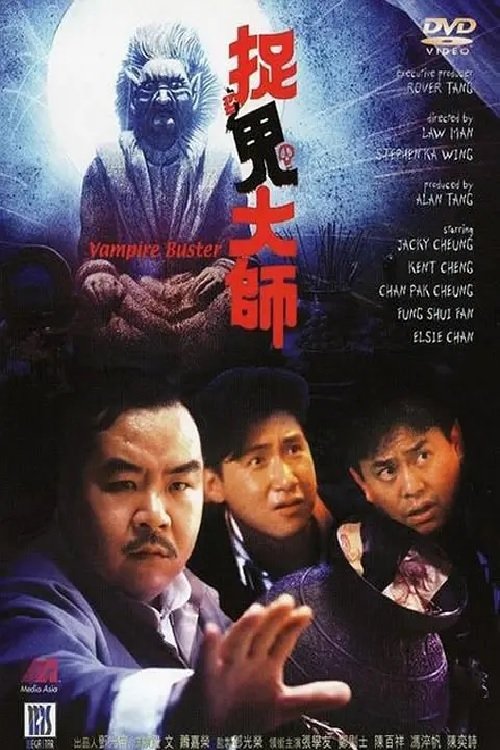
Vampire Buster
1989
No user ratings available yet
Representation score: 2.7 out of 10
Representation Score
Limited
1991
Director
Thomas Yip Shing-Hong
Runtime
95 minutes
Average Rating
No ratings yetNew Showbiz Analysis
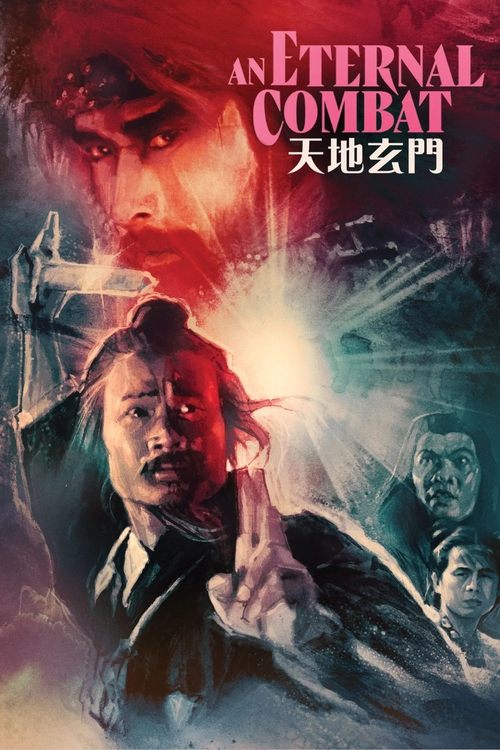
An Eternal Combat is a genre-driven work that prioritizes mythological archetypes and stylistic spectacle over progressive social discourse. The plot relies on themes of reincarnation and destiny, which favor cyclical storytelling over modern identity-based exploration. While the film offers strong cultural specificity through its Taoist themes and historical settings, it lacks representation of diverse identities. The character dynamics remain rooted in traditional 1990s Hong Kong genre clichés. Ultimately, the film serves as a high-concept fantasy that uses temporal displacement to bridge ancient folklore with modern reality, adhering to conventional narrative structures.
Category Breakdown
The film focuses on a romantic conflict centered around a vengeful spirit and a female protagonist, without addressing non-traditional gender identities or challenging straight-centered assumptions.
Female characters mainly serve as objects of desire or catalysts for male journeys, with the narrative relying on traditional romantic clichés rather than subverting gender hierarchies.
The story incorporates historical and cultural specificity through its setting, featuring a cross-cultural mythological interaction between a Taoist priest and a Japanese Demon King.
The film emphasizes Taoist metaphysics and traditional spiritualism, using a time-vortex cliché to contrast ancient Eastern traditions with modern urban life.
The narrative does not include any characters with visible or invisible disabilities.
Present on Screen
Limited or Absent
Official Synopsis
In late 15th century China, The Master, a Taoist priest, has been destined to fight the Japanese Demon King; a vengeful spirit who has power over the forest. The Demon King has fallen in love with a woman named Gigi and forces her to be his bride. As The Master begins his fateful battle with the Demon King, they’re unexpectedly thrust into a time vortex which transports them 500 years into the future to modern-day Hong Kong wherein they discover Gigi’s reincarnation, who is being terrorized by her vicious ex-boyfriend, Ben.
1989

1991
1990
1995

1980
1994
1990
1989
No reviews yet. Be the first to share your thoughts on this movie!
Use the rating form above to leave a star rating and optional review.