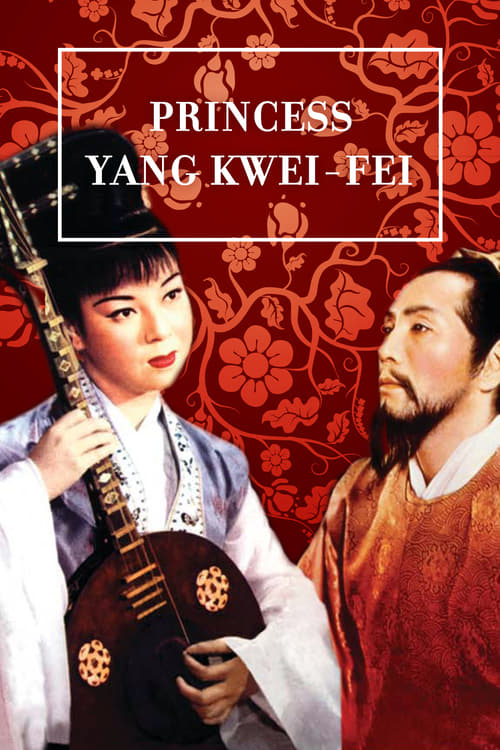
Princess Yang Kwei-fei
1955
No user ratings available yet
Representation score: 4.5 out of 10
Representation Score
Fair
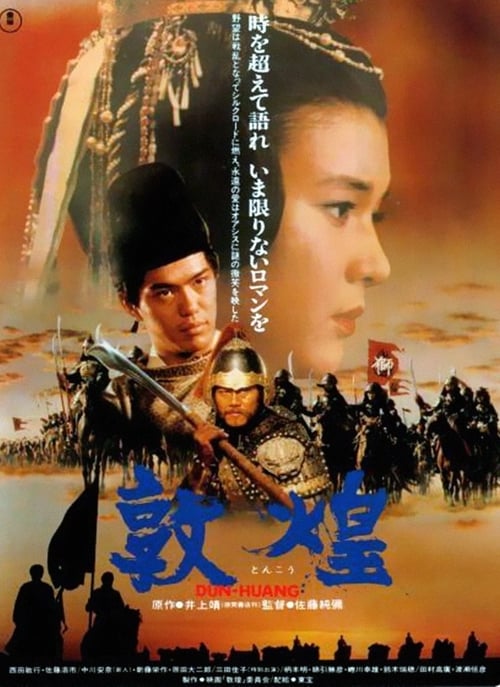
1988
PG-13Director
Junya Satō
Runtime
143 minutes
Average Rating
No ratings yetNew Showbiz Analysis
The Silk Road serves as the backdrop for a sweeping historical epic that shines in its depiction of a multi-ethnic landscape. By placing the narrative in the 11th-century Silk Road, the film naturally integrates a variety of Chinese, Xi Xia, and Uighur identities, avoiding a monolithic portrayal. However, the film adheres closely to conventional storytelling formulas. The plot is dominated by male protagonists following a typical hero's journey, while female characters are often defined by their relationships to male leads. Overall, the film examines the cultural intersections and conflicts arising from regional power and personal tragedy within a diverse historical context.
Category Breakdown
The story focuses on a traditional romance between Zhao Xingde and Princess Tsurpia. There are no characters with non-cisgender identities or same-sex relationships.
Men play key roles in the plot through the journeys of Xingde and Zhu Wangli. Princess Tsurpia is a crucial character, but her role is largely shaped by her relationships with men.
The film showcases the ethnic complexity of the Silk Road. It features a diverse cast including Chinese students, the Xi Xia empire, and the Uighur people.
The setting highlights the Silk Road as a hub of learning and culture. The narrative delves into regional sovereignty and the tragic outcomes of imperial ambitions.
The film does not include any characters dealing with physical or neurodivergent disabilities.
Present on Screen
Limited or Absent
Official Synopsis
In 1026, students in western China are shanghaied into the forces of crown prince Li Yuanhao of Xi Xia, who wants to control the length of the Silk Road. One student is Zhao Xingde, who becomes the favorite of his commander, Zhu Wangli. While sacking a fortress, Xingde discovers Tsurpia, princess of the Uighur. He hides her; they fall in love. When he's sent away to study Xixian, he leaves Tsurpia in Zhu's care, but returns to find her engaged to Li. Tragedy follows, and he and Zhu enter a pact to take revenge when Li arrives at Dun-Huang, the region's seat of learning and culture. Against overwhelming odds, they find a surprising way to leave a monument to their life and love.
1955

1967
1999
2015
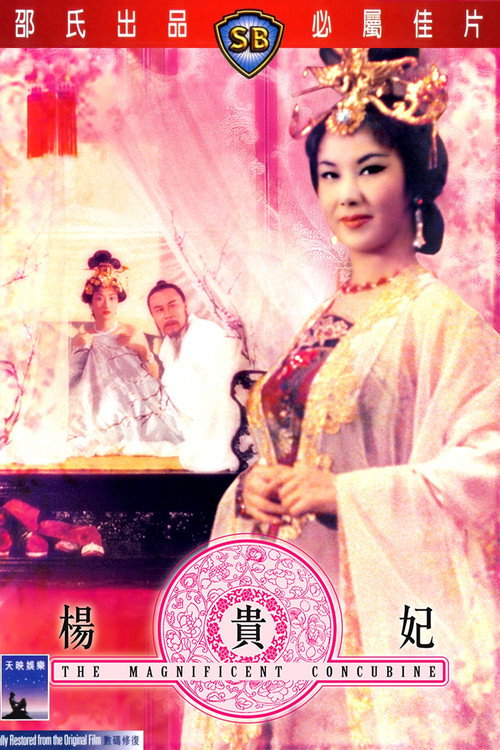
1962
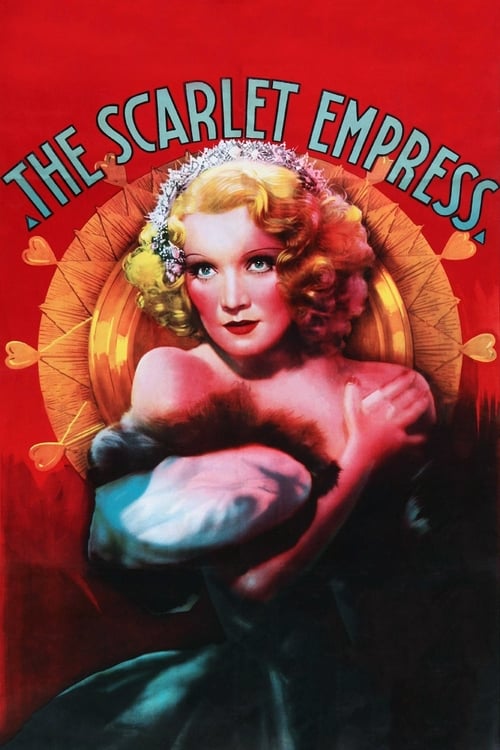
1934

2012
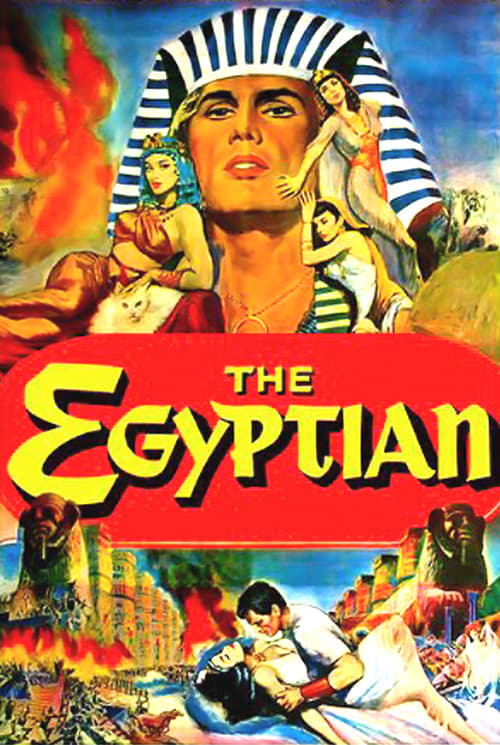
1954
No reviews yet. Be the first to share your thoughts on this movie!
Use the rating form above to leave a star rating and optional review.