Abandoned
2001
No user ratings available yet
Representation score: 4.1 out of 10

Representation Score
Fair
2006
Director
Shin Jae-in
Runtime
103 minutes
Average Rating
No ratings yetNew Showbiz Analysis
The film serves as a sophisticated allegory, emphasizing philosophical subversion over broad demographic representation. It excels at critiquing institutional control and the psychological repression found in dogmatic religious systems. While the narrative delves deeply into moral relativism and bodily autonomy, it lacks explicit markers of multi-layered diversity. The focus is primarily on the tension between individual impulses and systemic indoctrination. Ultimately, the work is a specialized study of systemic control rather than a broad showcase of diverse identities.
Category Breakdown
The film does not include any LGBTQ+ characters or themes related to queer experiences. The story focuses on resisting institutional asceticism.
The film aims to challenge authority figures, suggesting a potential shift in traditional hierarchies. However, it does not provide specific examples of gender-based power struggles or the subversion of traditional gender roles.
As a South Korean production, the film reflects the local demographic. The narrative centers on cultural specifics without showing multi-layered diversity.
The film offers a progressive critique of traditional religious institutions, portraying them as oppressive. It highlights the impact of systemic forces on individuals and challenges dogmatic systems.
The protagonist's struggle with his body and his inability to fast touches on themes of body image. He demonstrates significant control over his life while navigating restrictive doctrines.
Present on Screen
Limited or Absent
Official Synopsis
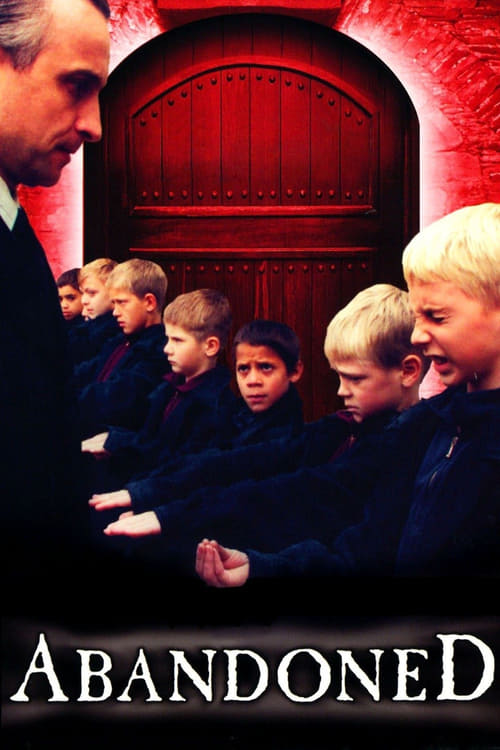
An isolated orphanage, called the 'House of Angels'. The director of this orphanage religiously brainwashes the children into believing that eating is a shameful thing. Among the children, Shin Sung-Il is the most exemplary student who tries hardest to follow the director's doctrine, but he is also the most chubby. He tries to fast from time to time, only to fail. Meanwhile, the children suspect the director's real intention and plan an uprising to escape from the orphanage. However, it is Sung-Il who escapes. Out in society, Sung-Il discovers people eating openly without shame. With hatred toward such depraved people, he feels the pangs of hunger more and more...
2001

2001

1992

2017

2003

2013

2008

2016
No reviews yet. Be the first to share your thoughts on this movie!
Use the rating form above to leave a star rating and optional review.