
The Mugger
1958
No user ratings available yet
Diversity score: 2.2 out of 10
1938
ApprovedDirector
William Nigh
Runtime
58 minutes
Average Rating
No ratings yetSynopsis
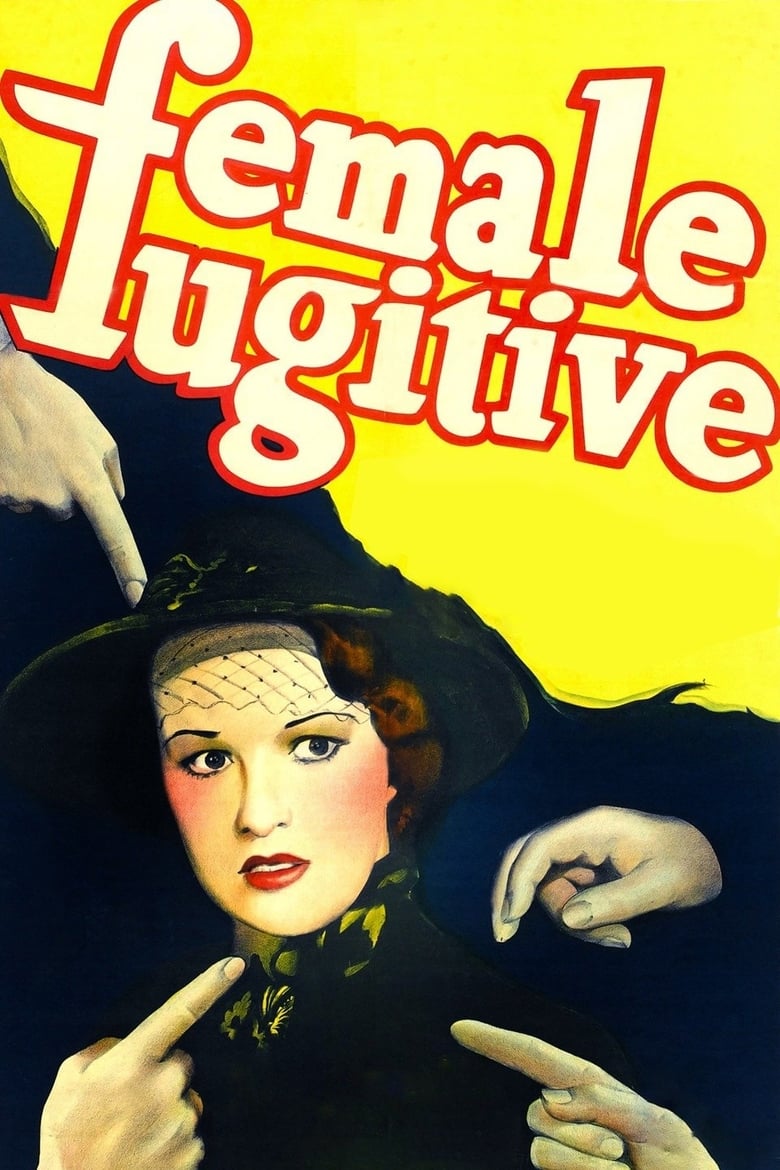
Police set up a dragnet to trap an outlaw's wife whom they believe to be his accomplice.
Overall Score
Limited
Category Breakdown
LGBTQ+ Representation
The film lacks any evidence of LGBTQ+ presence. The narrative focus on an outlaw's wife suggests a strictly heteronormative framework typical of the era.
Gender Representation
Female agency is largely reactive, defined by the protagonist's relationship to a male outlaw. This reinforces traditional gendered roles where women are tied to male-driven criminality.
Racial & Ethnic Diversity
The film likely utilizes a homogeneous cast reflecting 1930s Hollywood hierarchies. It centers on Anglo-Saxon perspectives common to crime dramas of this period.
Religious & Cultural Diversity
The story prioritizes the restoration of social order through police intervention. This aligns with traditional Western values regarding the legitimacy of state authority.
Disability Representation
There is no documented evidence of characters with visible or invisible disabilities in this production.
Strengths
Areas for Improvement
AI Analysis
Female Fugitive is a standard Depression-era crime drama that adheres to the conventional moral frameworks of the 1930s. The narrative architecture relies on a traditional law-and-order structure, using a police dragnet to apprehend those perceived as deviants. Because the film was produced under strict censorship guidelines, it reinforces existing social hierarchies rather than challenging them. The focus remains on institutional stability and the enforcement of legal norms. Ultimately, the film lacks the complexity needed to provide meaningful intersectional representation, functioning instead as a genre piece that upholds the status quo.
1958

1941

1950

1948
1947
1959

1954

1955

1950
1948

1958
1960
No reviews yet. Be the first to share your thoughts on this movie!
Use the rating form above to leave a star rating and optional review.