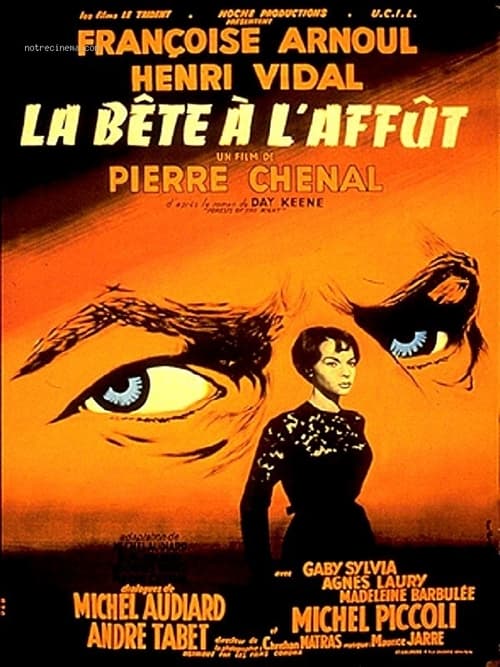
Beast at Bay
1959
No user ratings available yet
Representation score: 3.6 out of 10
Representation Score
Fair
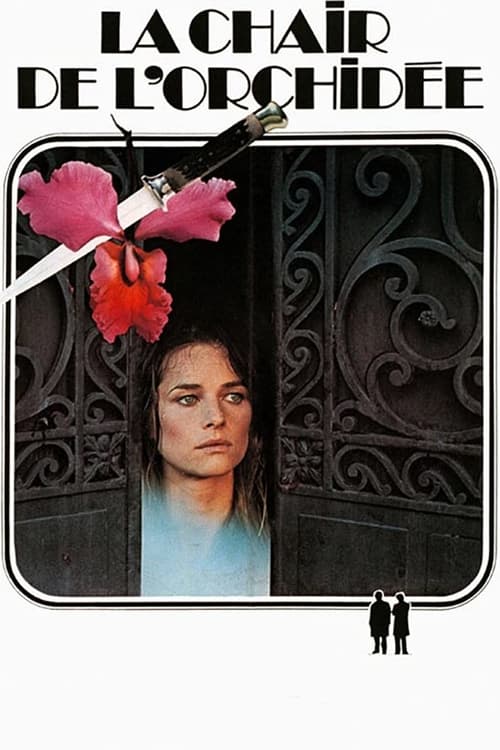
1975
Director
Patrice Chéreau
Runtime
110 minutes
Average Rating
No ratings yetNew Showbiz Analysis
Patrice Chéreau’s work often dismantles social hierarchies, and this film continues that tradition by focusing on systemic exploitation and power imbalances. The narrative centers on a woman navigating confinement and predatory behavior, offering a critique of traditional guardianship. While the film excels at challenging domestic stability and institutional power, it lacks visible markers of racial or LGBTQ+ diversity. The focus remains heavily on class and familial dynamics within a likely European setting. Ultimately, the film serves as a character-driven critique of Western institutions, using themes of flight and survival to challenge the concept of the landed estate.
Category Breakdown
The film explores behaviors that break down social norms but lacks clear evidence of queer identities or non-straight relationships. However, there is no explicit depiction of LGBTQ+ identities or non-straight romantic pairings.
The protagonist challenges the damsel-in-distress stereotype by prioritizing her own survival and taking control of her situation. The story highlights her struggle against patriarchal structures, particularly her family's greed and predatory behavior.
The narrative seems focused on local European dynamics without significant racial blending or casting actors from non-Anglo-Saxon backgrounds. The story does not include diverse racial or ethnic representation.
The film reinterprets traditional symbols of nobility by portraying the castle and family unit as corrupt entities. It emphasizes individual autonomy over adherence to traditional family values.
There is no specific evidence regarding the portrayal of physical or neurodivergent disabilities in the provided material.
Present on Screen
Limited or Absent
Official Synopsis
A disturbed young woman is kept prisoner in a castle by her aunt for her money. The game-keeper, her guardian, tries to rape her but she escapes. In her flight she meets a man also running away, from two killers.
1959

1964

1993

1964

1974
1975

1976

1976
No reviews yet. Be the first to share your thoughts on this movie!
Use the rating form above to leave a star rating and optional review.