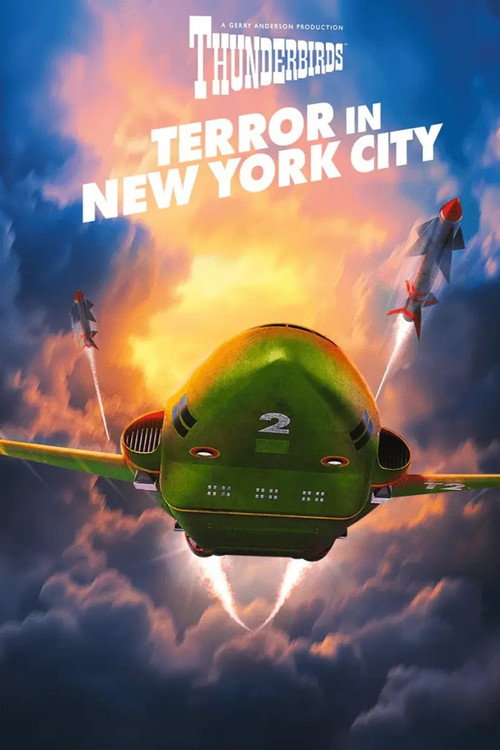
Thunderbirds: Terror In New York City
1965
No user ratings available yet
Diversity score: 1.0 out of 10
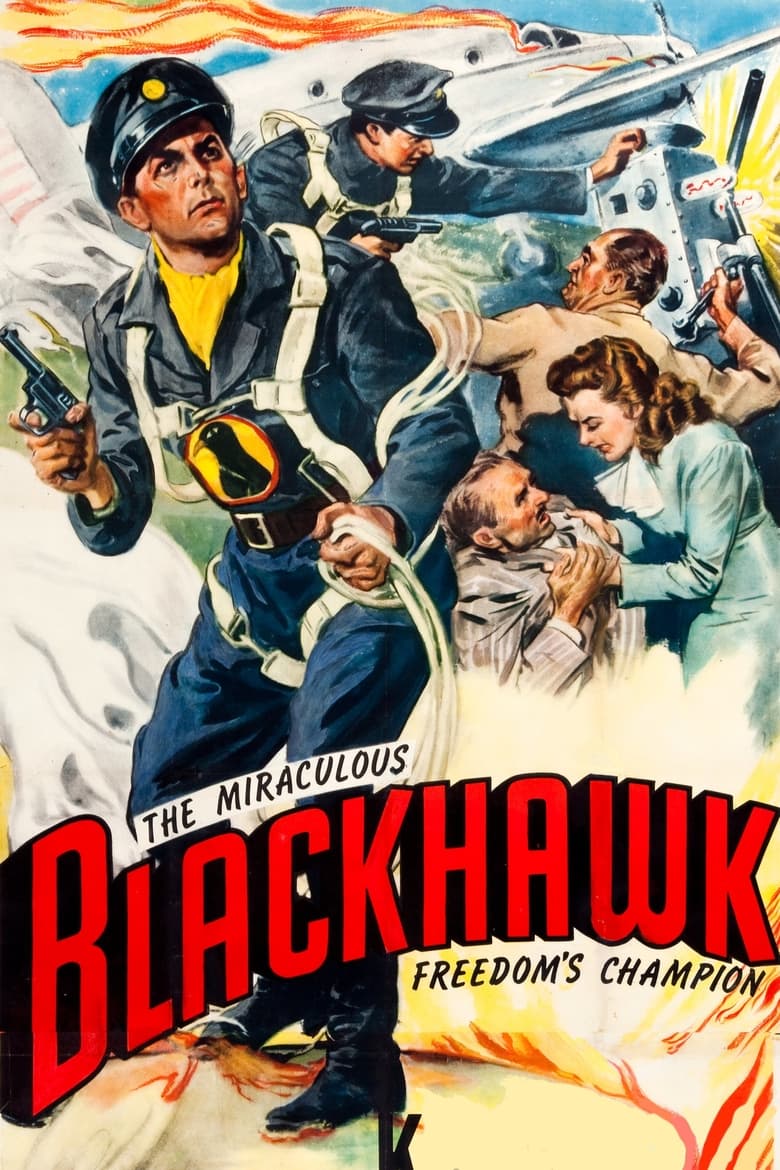
1952
NRDirector
Spencer Gordon Bennet, Fred F. Sears
Runtime
242 minutes
Average Rating
No ratings yetSynopsis
Based on a successful comic book that began in 1941, the Blackhawks were seven flyers who banded together during WW II to fight the Nazis. After the war, they continued to fight evil where ever they find it. In this movie, they are battling a group of spies and saboteurs bent on destroying democracy. The Blackhawks foil a succession of plots, with a cliff hanger ending in each episode.
Overall Score
Minimal
Category Breakdown
LGBTQ+ Representation
The film contains no visible presence of LGBTQ+ characters or non-heteronormative identities. It adheres strictly to mid-century heteronormative social structures.
Gender Representation
Female characters are relegated to peripheral roles, often serving as domestic anchors or figures requiring protection. There is no evidence of women exercising intellectual or physical agency.
Racial & Ethnic Diversity
The narrative centers on white protagonists and follows a white-centric settler perspective. Indigenous populations are portrayed through mid-century tropes of hostile outsiders.
Religious & Cultural Diversity
The film reinforces traditional Western institutions and values, celebrating the protection of the American frontier. It lacks any anti-Western or secular sentiment.
Disability Representation
There are no prominent depictions of physical, sensory, or neurodivergent characters. The cast consists entirely of able-bodied actors performing standard action roles.
Strengths
Areas for Improvement
AI Analysis
Blackhawk (1952) functions as a stabilizer of 1950s social norms rather than a challenger of them. The narrative architecture relies on clear-cut moral dichotomies and established archetypes that prioritize traditional hierarchies. The film lacks intersectional complexity, focusing instead on a white-centric view of the frontier. This approach reinforces colonialist frameworks and traditional gender roles through its episodic action structure. Ultimately, the work serves to uphold mid-century patriotism and the preservation of established social orders, offering little room for diverse or nuanced perspectives.
1965
1944
1954
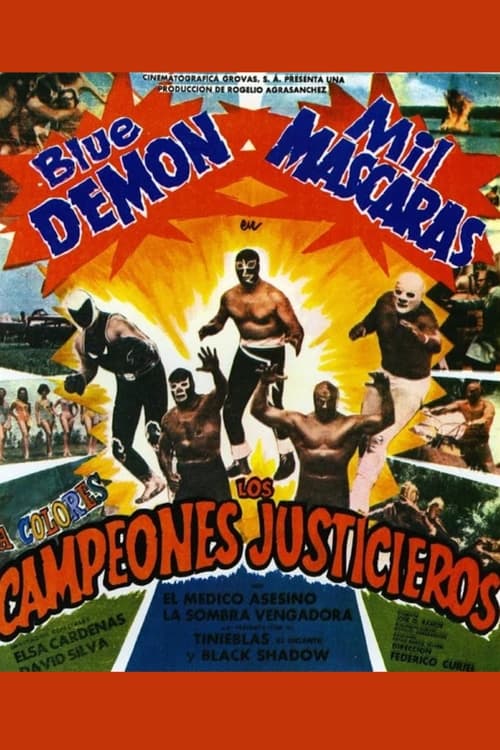
1971
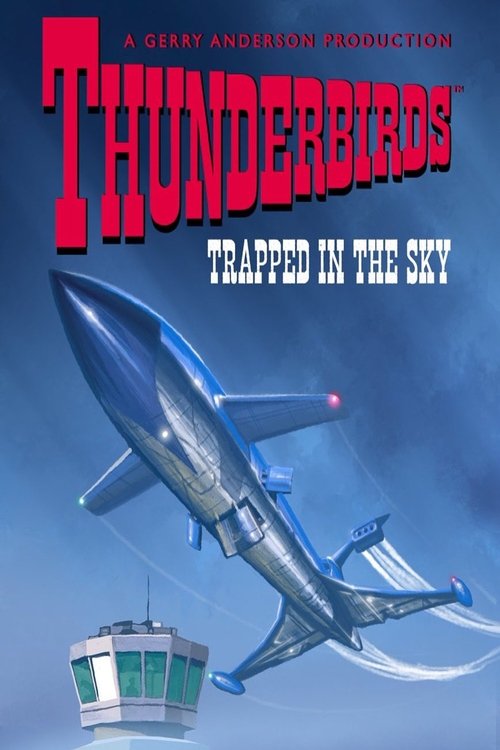
1965
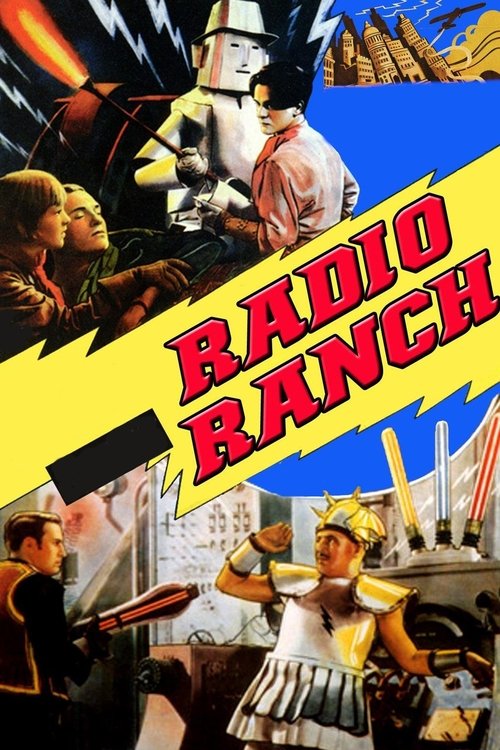
1940
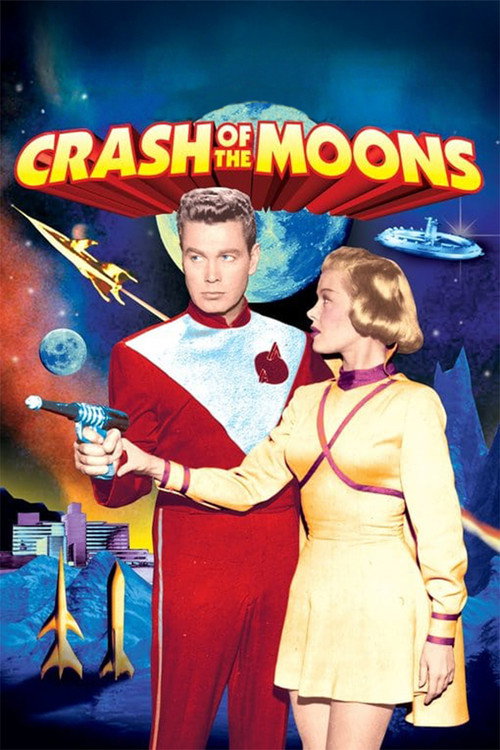
1954
1973
No reviews yet. Be the first to share your thoughts on this movie!
Use the rating form above to leave a star rating and optional review.