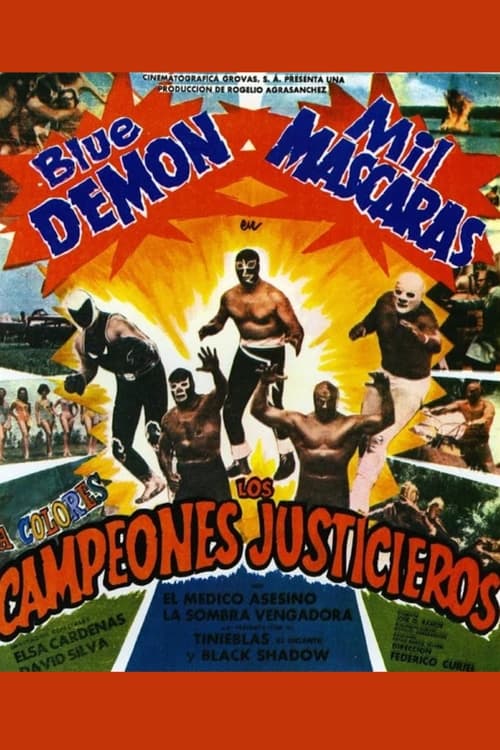
The Champions of Justice
1971
No user ratings available yet
Representation score: 4.7 out of 10
Representation Score
Limited
1954
Director
René Cardona
Runtime
122 minutes
Average Rating
No ratings yetNew Showbiz Analysis
René Cardona’s film is a typical product of its time, emphasizing regional cultural pride over diverse representation. It successfully centers Mexican identity by elevating the luchador archetype to mythic status, offering a localized alternative to Hollywood heroism. However, the film remains tied to the conservative social structures of the 1950s. The narrative lacks depth in gender and LGBTQ+ representation, relying on traditional masculine dominance and straight-centered assumptions. Ultimately, the film serves as a genre piece that reinforces moral binaries and traditional social orders, using character 'otherness' primarily to establish villainy.
Category Breakdown
The film follows the traditional heterosexual norms of 1950s Mexican cinema. There are no representations of same-sex relationships or queer identities.
Women in the film are mostly side characters, often serving to motivate the male lead. The story emphasizes masculine control and strength, while depicting femininity through domestic or vulnerable roles.
The film features a predominantly Mexican cast and setting. By highlighting a local cultural icon, it challenges Hollywood-centric hero archetypes and strengthens a localized cultural identity.
The narrative upholds traditional values and a clear moral divide between hero and villain. It reinforces conventional ideas of heroism and social order without questioning the role of state institutions.
The 'Mad Doctor' character likely uses physical or mental differences as a shorthand for villainy. The film seems to rely on medical or psychological deviations to define antagonists.
Present on Screen
Limited or Absent
Official Synopsis
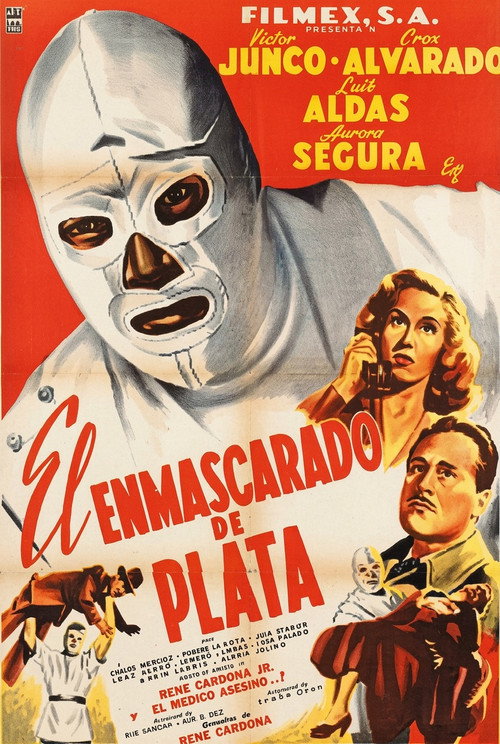
This cult-classic was Director Rene Cardona's attempt to capitalize on the popularity of professional wrestling and on of its biggest stars of the 1950's, known as "El Santo". However it is not about wrestling. It chronicles the adventures of a crime-fighting duo known as El Enmascadero de la Plata ( The Silver Mask), and his adolescent sidekick Pecas (Freckles), as they take on a murderous Mad Doctor and an evil gang-leader called El Lobo
1971
1972

1965
1992
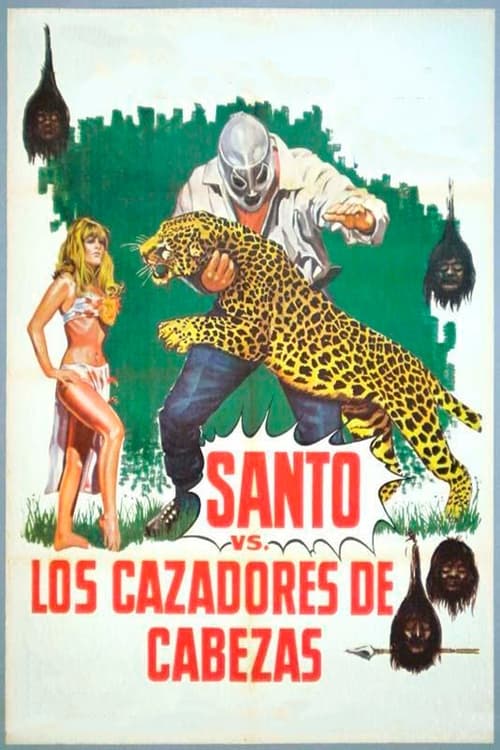
1971
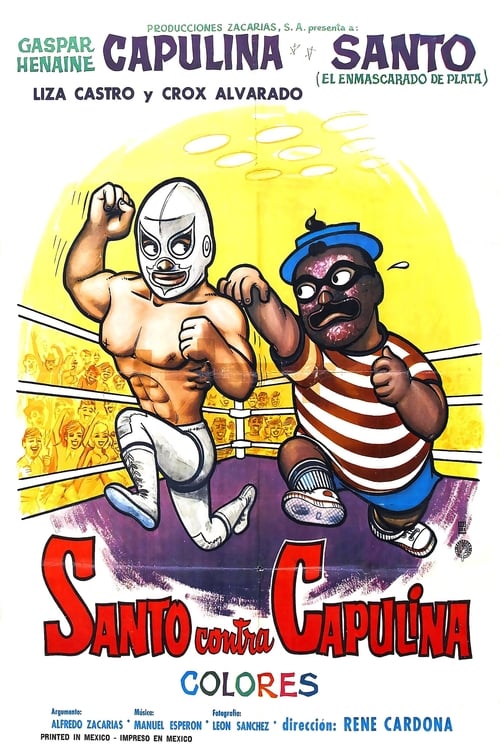
1969
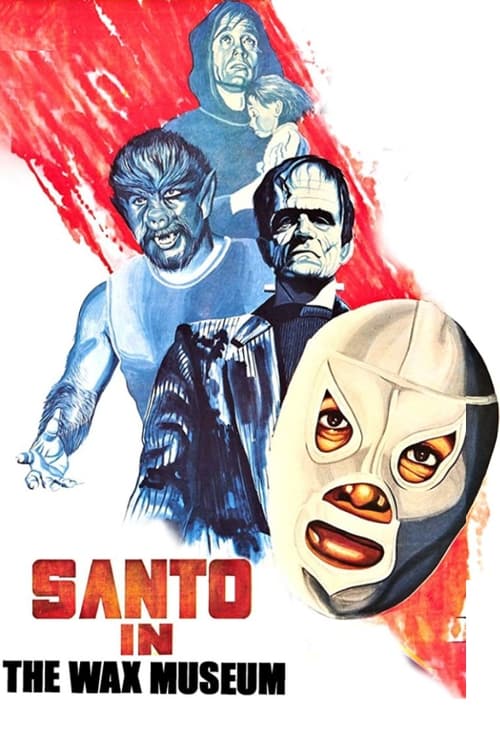
1963
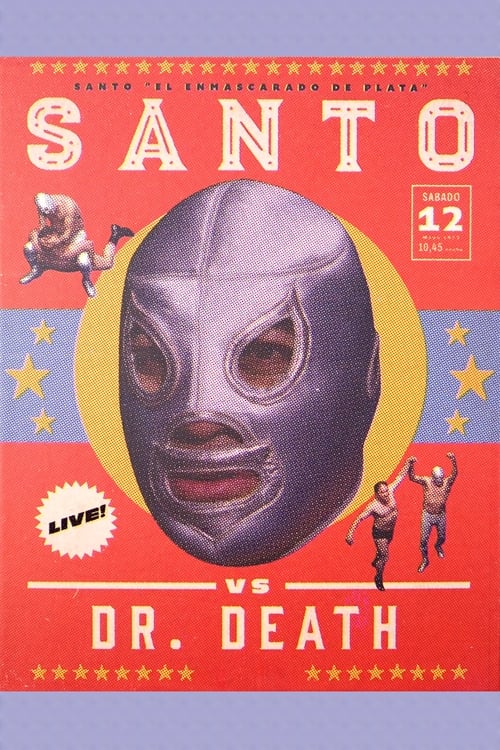
1973
No reviews yet. Be the first to share your thoughts on this movie!
Use the rating form above to leave a star rating and optional review.