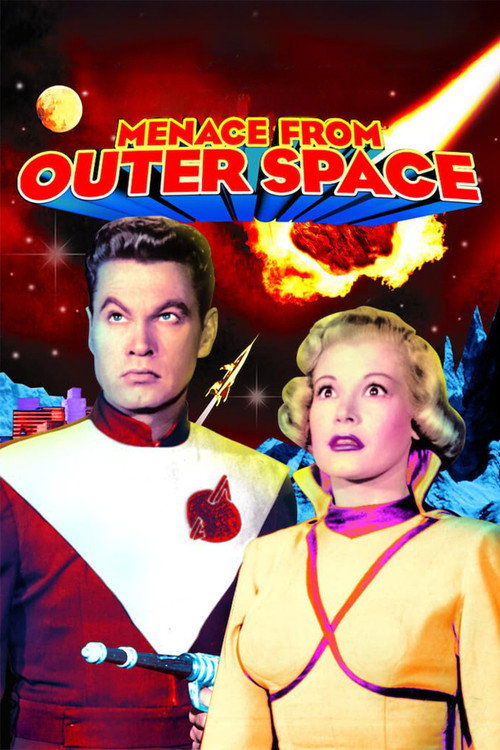
Menace from Outer Space
1956
No user ratings available yet
Representation score: 0.3 out of 10
Representation Score
Minimal
1954
UnratedDirector
Hollingsworth Morse
Runtime
78 minutes
Average Rating
No ratings yetNew Showbiz Analysis
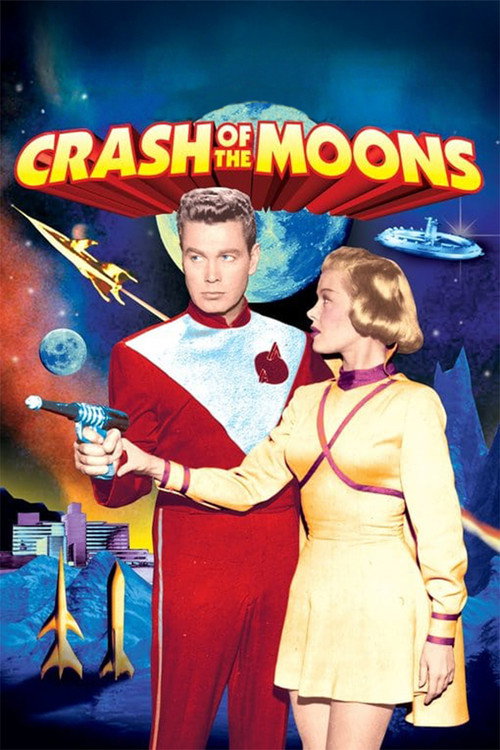
Crash of Moons is a product of its era, functioning as a standard mid-century science fiction adventure. It follows established genre clichés that prioritize a central male hero and traditional social hierarchies. The film lacks intentionality regarding storytelling that reflects multiple aspects of identity or the disruption of social norms. While some female characters play a significant role, the broader narrative framework remains homogeneous and conventional. Ultimately, the work serves as a period piece that reflects the limited diversity standards of 1950s television production.
Category Breakdown
The film does not include any characters with non-binary gender identities or same-sex relationships. It adheres to the conventional heterosexual norms typical of 1954 television.
Cleolanthe plays a significant role in driving the story by using missile barrages to influence events. However, the narrative remains centered on Rocky Jones, maintaining traditional gender hierarchies.
The story provides no specific details regarding ethnic or racial composition. The use of terms like 'gypsy moons' suggests a reliance on exoticized clichés rather than authentic representation.
The film reinforces mid-century ideals of the authoritative protector through its focus on heroism and order. It lacks any deconstruction of traditional institutions or secularist themes.
There is no information regarding characters with visible or invisible disabilities within the narrative.
Present on Screen
Limited or Absent
Official Synopsis
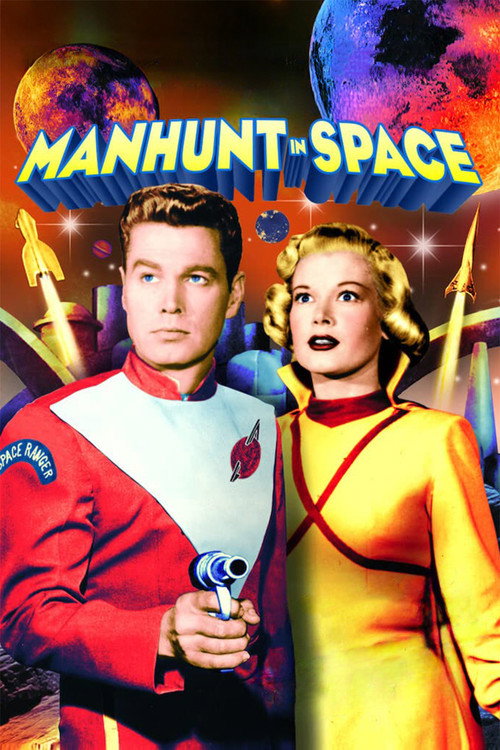
A three-part episode from the TV series Rocky Jones, Space Ranger edited together and released as a feature for 16mm rental only. Season 1 episodes 21, 22, 23. Episode 21: Rocky saves a space station and his friends when they are trapped between gypsy moons. Episode 22: Cleolanthe tries to destroy one of the gypsy moons with a barrage of missiles. Episode 23: Rocky evacuates the gypsy moon Posetta and stops Cleolanthe's missile barrage.
1956
1978

1969
1956
1968
1980

1973
1954
No reviews yet. Be the first to share your thoughts on this movie!
Use the rating form above to leave a star rating and optional review.