
Thunderbirds: Trapped in the Sky
1965
No user ratings available yet
Representation score: 0.2 out of 10

Representation Score
Minimal
1965
TV-GDirector
David Elliott, David Lane
Runtime
50 minutes
Average Rating
No ratings yetNew Showbiz Analysis
Thunderbirds: Terror In New York City is a classic mid-century adventure that emphasizes technological triumph and traditional heroism. The story centers on a male-led organization, reinforcing established social hierarchies rather than challenging them. The production reflects the demographic homogeneity typical of 1960s Western media. By focusing on a white, male-dominated protagonist group, the film upholds a narrow view of leadership and ability to act. Ultimately, the film serves as a celebration of institutional stability and Western capability. It lacks meaningful representation across most underrepresented groups, reinforcing the status quo of its era.
Category Breakdown
The film does not include any characters with non-traditional gender identities or sexual orientations. The story revolves around traditional brotherhood and heterosexual relationships.
Men hold most of the leadership roles and drive the story forward. Women are mainly passive recipients of rescue or occupy supporting roles.
The main characters and cast are mostly white, reflecting the era's lack of diverse casting. The story focuses on a homogeneous group of protagonists.
The film highlights Western techno-optimism and institutional stability. It portrays International Rescue as a well-organized, authoritative entity that maintains the current social order.
No characters with visible or invisible disabilities are shown taking an active role. The plot emphasizes physical strength and technology over neurodivergent or disabled characters.
Present on Screen
Limited or Absent
Official Synopsis
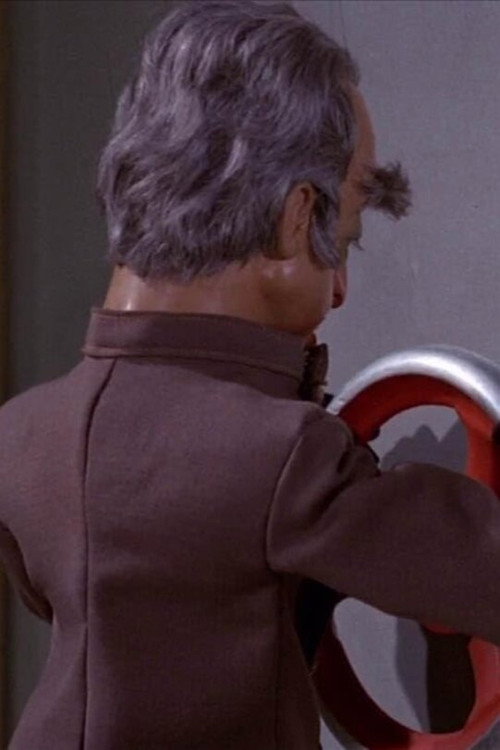
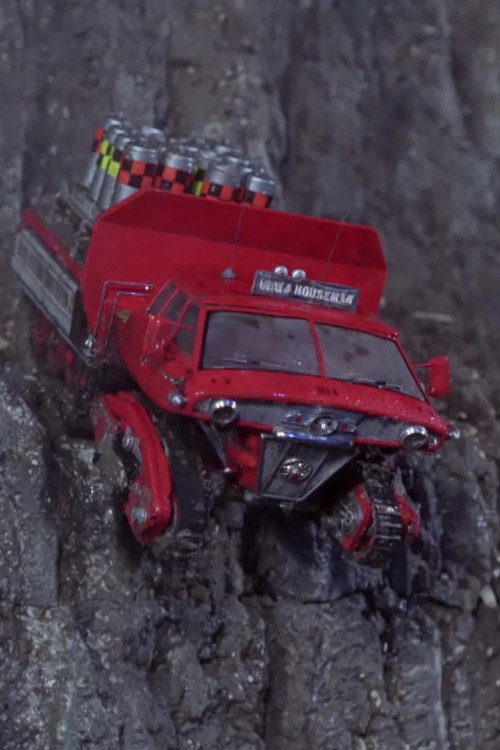
After Thunderbird 2 is heavily damaged in a mistaken attack, it leaves the team seemingly without a swift means to transport any rescue gear to New York City to save a news crew trapped underneath the collapsed Empire State Building.
1965
1965
1954

1973

1969
1944
1972
1965
No reviews yet. Be the first to share your thoughts on this movie!
Use the rating form above to leave a star rating and optional review.