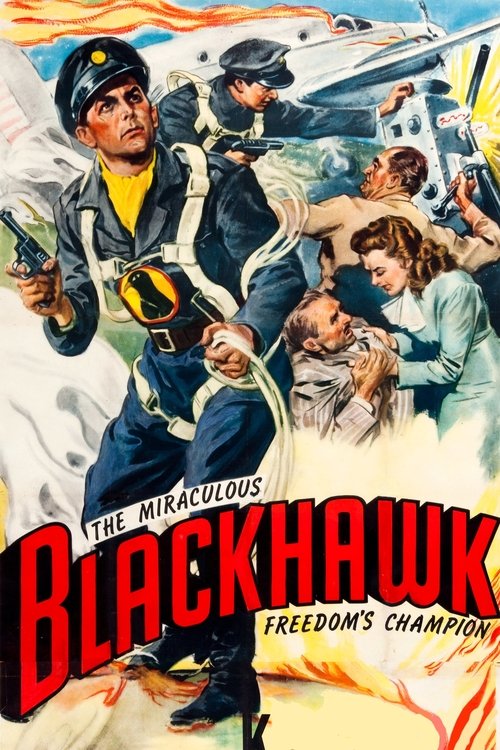
Blackhawk
1952
No user ratings available yet
Representation score: 0.3 out of 10
Representation Score
Minimal
1944
ApprovedDirector
John English, Elmer Clifton
Runtime
244 minutes
Average Rating
No ratings yetNew Showbiz Analysis
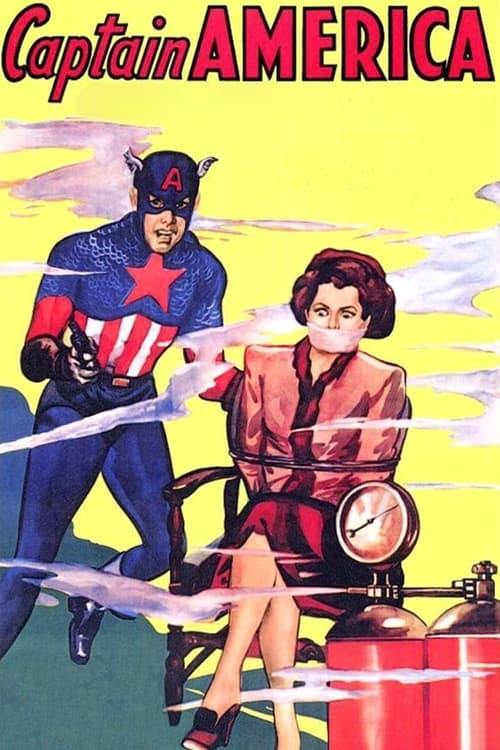
Captain America (1944) exemplifies wartime media, emphasizing nationalistic sentiment and binary moral frameworks. The narrative structure upholds traditional social hierarchies without exploring diverse identities. The film relies on established clichés of the era, such as the passive female companion and the hero who overcomes physical vulnerability to embody masculine competence. These elements reinforce a narrow perspective. Ultimately, the serial celebrates Western stability. It lacks diverse perspectives, focusing on a homogeneous cast and a strictly Anglo-centric view of conflict.
Category Breakdown
The film does not depict any LGBTQ+ identities or include queer subtext. Character interactions are limited to traditional romantic relationships of the time.
The movie follows mid-century gender roles where the female lead, Babs Allen, often plays a passive role requiring rescue by the male protagonist.
The cast and storyline focus are predominantly white. There are no significant characters of color, making the representation homogeneous.
The work emphasizes traditional Western institutions and promotes high-level patriotism. It portrays the state as defending itself against foreign enemies.
Steve Rogers' physical weakness is used as a starting point for the narrative. However, disability is portrayed as a condition to be cured with the super-soldier serum.
Present on Screen
Limited or Absent
Official Synopsis
Superhero Captain America battles the evil forces of the archvillain called The Scarab, who poisons his enemies and steals a secret device capable of destroying buildings by sound vibrations.
1952
1994
1979

1965
1975
1954
1971
1942
No reviews yet. Be the first to share your thoughts on this movie!
Use the rating form above to leave a star rating and optional review.