
I Just Wanna Hug You
2014
No user ratings available yet
Representation score: 6.4 out of 10
Representation Score
Good
2009
Director
Ryô Nakajima
Runtime
84 minutes
Average Rating
No ratings yetNew Showbiz Analysis
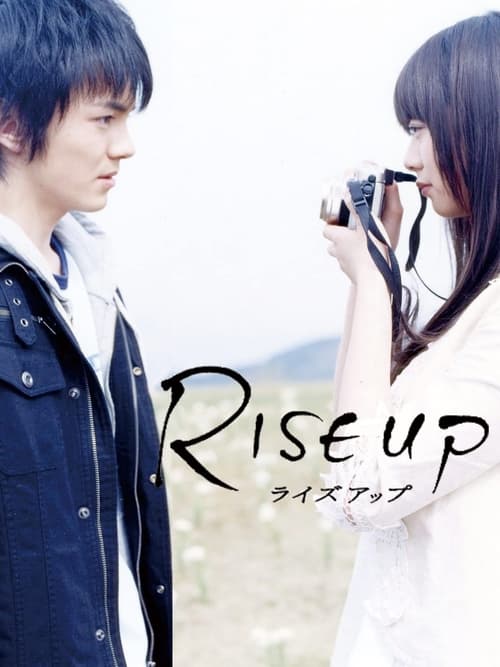
Rise Up is a character-driven drama that prioritizes the personal journey of a protagonist navigating sudden vision loss. It succeeds in centering a character with a disability, allowing her to drive the emotional core of the film. However, the film operates within traditional cinematic frameworks. The romantic structure and gender dynamics follow conventional patterns, with the male lead serving as a supportive figure to help the female protagonist overcome her isolation. While the film offers a platform for exploring disability and resilience, it lacks broader exploration of diverse cultural identities.
Category Breakdown
The story centers on a conventional romantic connection between Rui and Wataru. There is no visible presence of non-straight identities within the primary character arcs.
Rui drives her own emotional recovery, playing a significant role in the story. However, the dynamic relies on a male lead acting as the catalyst for her personal development.
The film appears to focus on a homogeneous social environment. The casting and setting align with standard domestic Japanese production without significant racial blending.
The narrative focuses on individual emotional resilience. It does not explicitly challenge traditional institutional norms or engage with specific religious or political messaging.
The film centers on the lived experience of visual impairment and psychological trauma. Rui is granted narrative ability to act through her struggle to rehabilitate and rise up.
Present on Screen
Limited or Absent
Official Synopsis
One year ago, Rui (Rio Yamashita) lost her eyesight after a hit & run accident. She's still traumatized by the accident and has yet to undergo rehab treatment. She then meets a young man named Wataru (Kento Hayashi) who is fascinated by paragliding. Rui slowly comes out her shell and finds a way to rise up again with the help of Wataru. Unfortunately, reality can sometimes be cruel. Can Rui and Wataru face each other again after facing this cruel truth?
2014

2009

2008

1991

2017
2013

2007

2017
No reviews yet. Be the first to share your thoughts on this movie!
Use the rating form above to leave a star rating and optional review.