The Egoists
2011
No user ratings available yet
Representation score: 4.9 out of 10
Representation Score
Good
2003
Not RatedDirector
Ryuichi Hiroki
Runtime
94 minutes
Average Rating
No ratings yetNew Showbiz Analysis
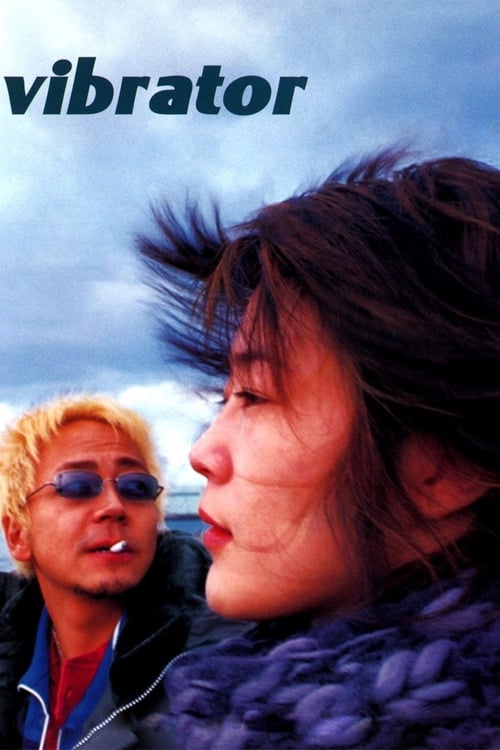
Ryuichi Hiroki’s *Vibrator* is a character-driven film that prioritizes psychological depth and individual autonomy over conventional social norms. It stands out particularly in its subversion of traditional gender roles and its respectful portrayal of mental health struggles. While the film excels in depicting the internal life of its female protagonist, it remains limited by a homogeneous ethnic cast and a lack of explicit LGBTQ+ representation. The narrative is deeply rooted in a specific cultural and social context that does not seek diverse representation. Ultimately, the film's strength lies in its refusal to conform to traditional archetypes, offering a sophisticated exploration of how individuals navigate a fragmented, modern society.
Category Breakdown
The film focuses on heterosexual relationships and does not feature prominent LGBTQ+ characters. However, it explores non-traditional forms of intimacy, which offer a slight departure from typical romantic storylines.
The main character challenges traditional gender roles through her sexual autonomy and psychological complexity. She is shown to have a strong influence on the story rather than being a passive figure.
The cast is primarily composed of actors from a similar ethnic background within a specific Japanese context. The lack of diverse racial representation leads to a lower score in this category.
The narrative criticizes modern institutions and the isolation found in urban environments. It emphasizes individual truth over traditional social or religious norms.
The film presents a detailed look at invisible disabilities such as auditory hallucinations and eating disorders. These conditions are integral to the character's identity.
Present on Screen
Limited or Absent
Official Synopsis
Rei is a freelance writer embattled by personal demons. She hears voices in her head, and has sleeping problems, eating disorders and drinks excessively. On Valentine's Day, she meets truck driver Takatoshi. She joins him on a journey in his bumpy and shaky truck - which vibrates in tune with her uneasy soul.
2011
2009
2002

2018

2021
2021
1998
2001
No reviews yet. Be the first to share your thoughts on this movie!
Use the rating form above to leave a star rating and optional review.