
Isle of Forgotten Sins
1943
No user ratings available yet
Representation score: 2.1 out of 10
Representation Score
Minimal
1926
PassedDirector
James P. Hogan
Runtime
70 minutes
Average Rating
No ratings yetNew Showbiz Analysis
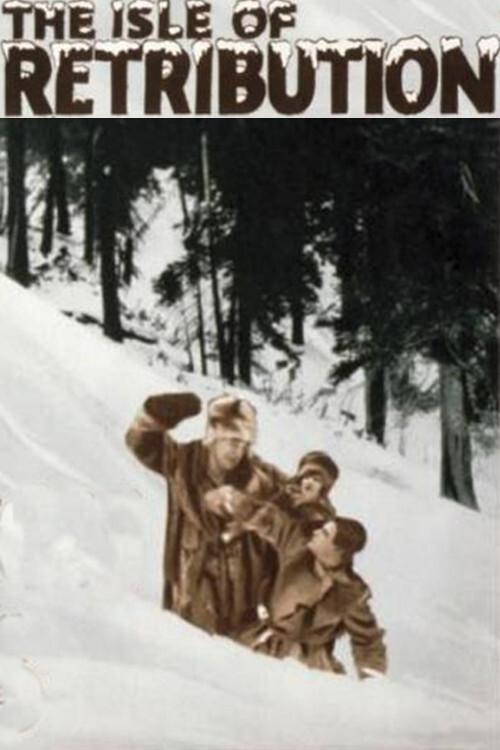
The Isle of Retribution is a traditional 1920s adventure drama that adheres closely to the social norms of its time. Its narrative structure relies on established clichés of class conflict and romantic competition, offering little social disruption. While the film places women at the center of its emotional conflict, their roles are defined by their relationship to a male protagonist. This limits the depth of gender representation, as female value is tied to romantic pursuit rather than autonomy. Ultimately, the film functions as a standard period piece. It lacks meaningful engagement with racial, ethnic, or LGBTQ+ diversity, presenting a homogeneous worldview centered on Western social norms.
Category Breakdown
The film does not depict any non-straight relationships or same-sex intimacy. The plot centers around a traditional romantic rivalry between two women for a male lead.
Women play key roles in driving the plot's tension, but their influence is limited to competing for male attention. This reinforces traditional gender hierarchies rather than showing independent female leadership.
The film defaults to a predominantly white cast, typical of the 1920s. There is no indication of racial or ethnic diversity within the Alaskan setting.
Conflicts arise from class differences between the wealthy and the poor. The story relies on traditional social structures and external plot devices rather than cultural critique.
There are no characters with visible or invisible disabilities. The story does not address disability in any way.
Present on Screen
Limited or Absent
Official Synopsis
Five people are stranded on an island off the coast of Alaska. The poor girl, Bess Gilbert, competes with the rich girl, Lenor Harderworth, for the attentions of the heroic Ned Cornet. A snow-slide resolves a few issues.
1943

1925

1962
1925
1928

1927
1920
1925
No reviews yet. Be the first to share your thoughts on this movie!
Use the rating form above to leave a star rating and optional review.