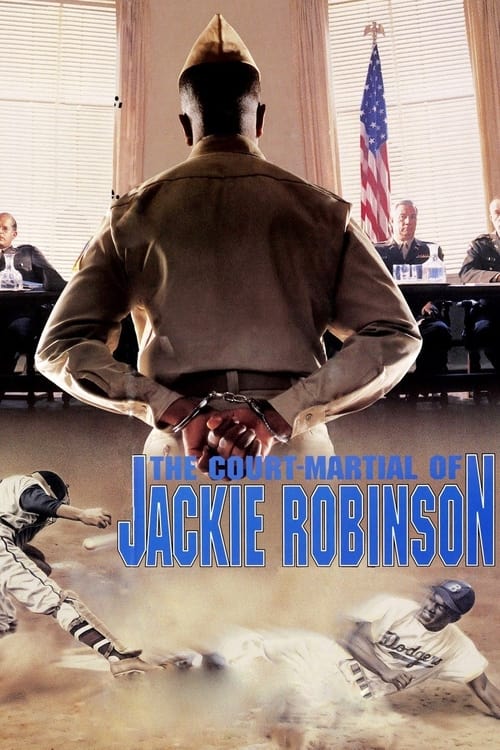
The Court-Martial of Jackie Robinson
1990
No user ratings available yet
Representation score: 3.3 out of 10

Representation Score
Limited
1981
Director
Richard A. Colla
Runtime
96 minutes
Average Rating
No ratings yetNew Showbiz Analysis
The film is a compelling exploration of Black excellence and systemic racism. By focusing on Satchel Paige's journey from the Negro Leagues to Major League Baseball, it effectively challenges monolithic historical perspectives in sports cinema. However, the film's period-accurate setting limits its scope on gender and LGBTQ+ diversity. The overwhelmingly male-dominated environment and lack of queer representation contribute to lower scores in these categories. Ultimately, the film's strength lies in its racial narrative, using a personal triumph to highlight the broader struggle against institutionalized segregation.
Category Breakdown
The film follows a traditional biographical format without depicting any non-straight or transgender identities. It focuses on the protagonist's journey within the era's straight-centered structures.
Set in the highly masculine world of professional baseball, the film highlights the protagonist's strong influence. However, the story remains dominated by men, reflecting the historical context of the sports industry.
The film centers on Black ability to act and deconstructs the racial divide. It offers a nuanced portrayal of Negro League resilience and excellence, challenging traditional white-centric sports biographies.
The narrative critiques exclusionary American institutions by presenting integration as a clash with systemic corruption. It emphasizes the lived experiences of underrepresented groups over idealized institutional histories.
The film does not feature any significant depictions of physical or neurodivergent disabilities that play a central role in the story or drive the narrative forward.
Present on Screen
Limited or Absent
Official Synopsis
The story of Leroy "Satchel" Paige, the legendary pitcher, from his barnstorming days in the 1920s, hoping to break into organized "negro" baseball, to his emergence at age 43 in the major leagues with the Cleveland Indians the year after Jackie Robinson broke baseball's color barrier.
1990
1942
1978
1984

1996
2006
1999
2013
No reviews yet. Be the first to share your thoughts on this movie!
Use the rating form above to leave a star rating and optional review.