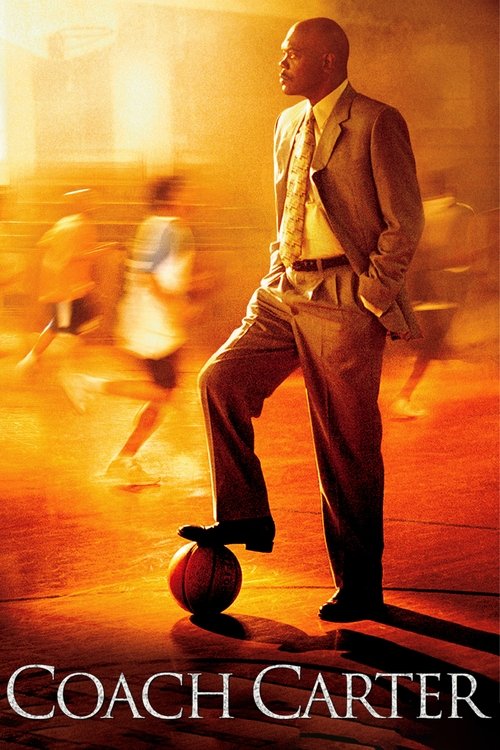
Coach Carter
2005
No user ratings available yet
Representation score: 3.1 out of 10

Representation Score
Limited
2006
PGDirector
James Gartner
Runtime
118 minutes
Average Rating
No ratings yetNew Showbiz Analysis
Glory Road stands out by centering a underrepresented group within a traditionally dominant institution. Its key strength lies in challenging mid-century racial norms through the ability to act of its Black ensemble. However, the film adheres to the patriarchal and straight-centered constraints of its time. While it dismantles racial hierarchies, it upholds traditional gender roles and lacks any LGBTQ+ representation. Ultimately, Glory Road serves as a powerful piece of historical revisionism. It uses the tension between a team and a segregated society to critique institutionalized prejudice.
Category Breakdown
The film follows the social norms of 1966 and does not depict any queer narratives or non-cisgender identities.
The story centers around male athletic competition and places women in supporting roles.
The film breaks the mold of white-dominated sports by featuring an all-Black starting lineup. These characters have significant influence, driving the story through their athletic achievements and resilience.
The narrative highlights the oppressive structures of the Jim Crow South, framing the era's social hierarchy as a force of systemic injustice.
The film does not feature any significant representations of disabilities that play a central role in the narrative.
Present on Screen
Limited or Absent
Official Synopsis
In 1966, Texas Western coach Don Haskins led the first all-black starting line-up for a college basketball team to the NCAA national championship.
2005
1990

2009
1995

2006
1988

2016
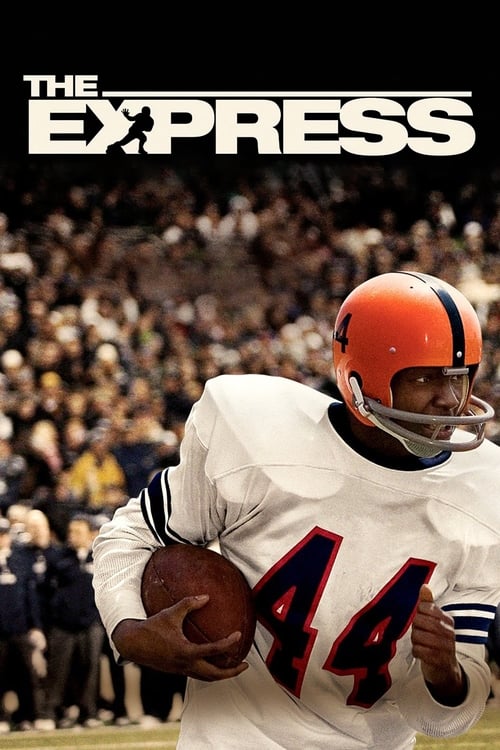
2008
No reviews yet. Be the first to share your thoughts on this movie!
Use the rating form above to leave a star rating and optional review.