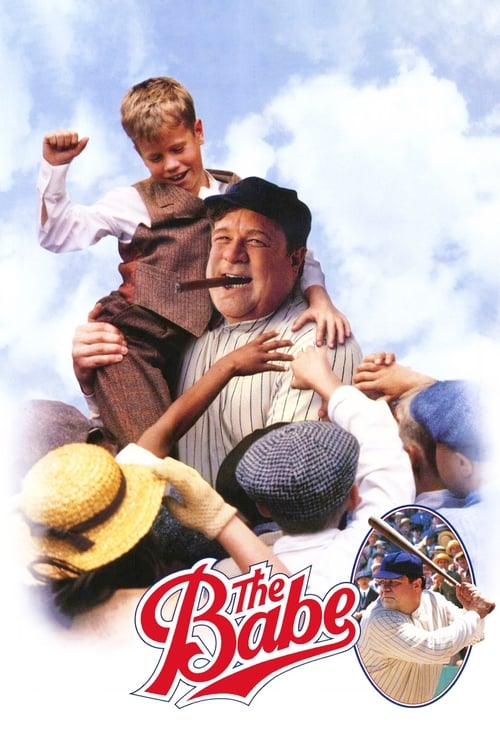
The Babe
1992
No user ratings available yet
Representation score: 5.5 out of 10
Representation Score
Minimal
1942
ApprovedDirector
Sam Wood
Runtime
128 minutes
Average Rating
No ratings yetNew Showbiz Analysis
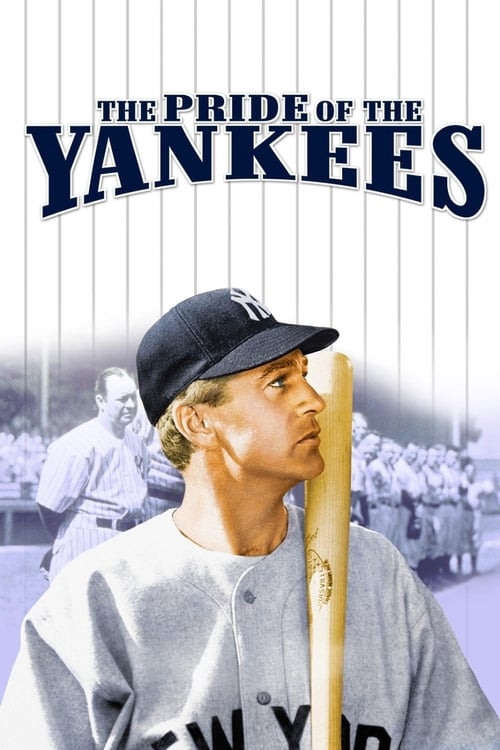
The film serves as a traditional biography, highlighting Lou Gehrig's moral strength and stoicism. It reinforces social hierarchies and adheres to mid-20th-century norms about masculinity and family life. While the narrative provides a historically accurate depiction of the 1930s, it lacks diverse perspectives. It relies on established Western archetypes, such as the stoic hero and the supportive wife, to create a cohesive moral message. Ultimately, the film prioritizes reinforcing traditional social structures, offering a singular view of the American experience centered on institutional respect and personal resilience.
Category Breakdown
The film does not include any LGBTQ+ identities or challenge traditional gender roles. It assumes everyone is straight and cisgender.
Female characters like Eleanor Gehrig mainly support the male lead and his achievements. The story emphasizes male control and athletic success.
The cast is mostly white, reflecting the racial norms of the 1930s. It doesn't show diverse backgrounds or experiences in professional baseball.
The story upholds traditional Western values, highlighting stoicism and the traditional family unit. It portrays institutions and the American Dream positively.
Lou Gehrig's battle with ALS is shown as a triumph of the human spirit. The film focuses on overcoming adversity rather than exploring disability fully.
Present on Screen
Limited or Absent
Official Synopsis
The story of the life and career of the baseball hall of famer, Lou Gehrig.
1992
2009

2002
1956
1952

1942
1948
1944
No reviews yet. Be the first to share your thoughts on this movie!
Use the rating form above to leave a star rating and optional review.