
Paths of Glory
1957
No user ratings available yet
Representation score: 3.2 out of 10

Representation Score
Limited
1956
NRDirector
Robert Aldrich
Runtime
107 minutes
Average Rating
No ratings yetNew Showbiz Analysis
Attack is a mid-century war drama that centers on the psychological breakdown of command structures. It focuses on institutional fragility under extreme conditions while lacking diverse representation. The film adheres to the demographic and social norms of 1950s Hollywood, offering a period-specific critique of military and governmental failures. However, it does not include meaningful representation of various identity categories. The narrative concentrates on a localized, ethnically uniform group, reflecting the cinematic limitations of its time.
Category Breakdown
The film follows strict 1950s conventions, assuming everyone is straight and cisgender. There are no characters with non-cisgender identities or queer narratives.
Leadership roles are mostly held by men, emphasizing traditional masculine authority. Women's roles are limited to supportive or domestic duties.
The cast is predominantly white, reflecting mid-century standards. The story does not feature many characters of color in key roles.
The film critiques the stability of institutions and social contracts. It examines how survival needs can override established ethics during a crisis.
Physical injuries are shown as consequences of war without exploring their impact on identity. There is no focus on neurodivergence or disabilities.
Present on Screen
Limited or Absent
Official Synopsis
Battle of the Bulge, World War II, 1944. Lieutenant Costa, an infantry company officer who must establish artillery observation posts in a strategic area, has serious doubts about Captain Cooney's leadership ability.
1957
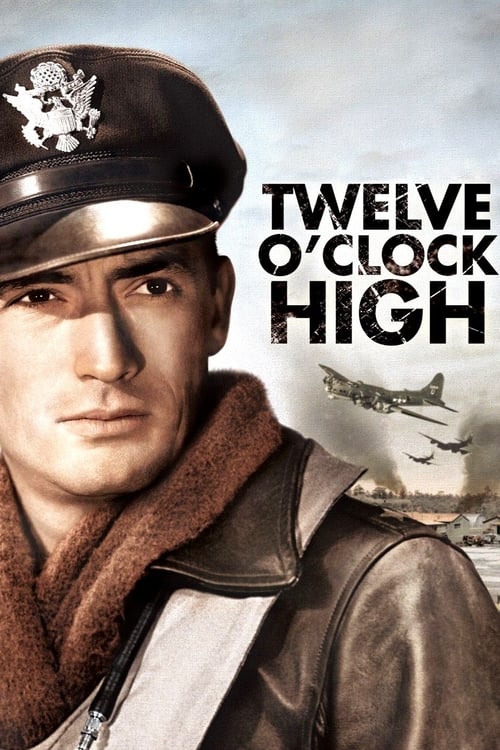
1949
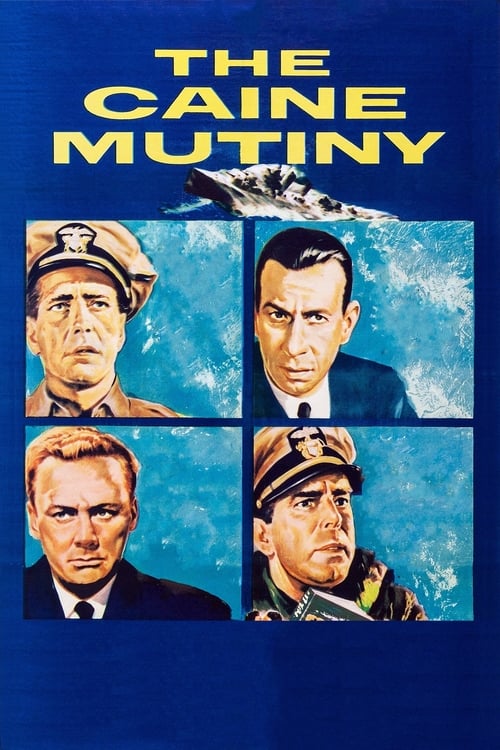
1954

1945
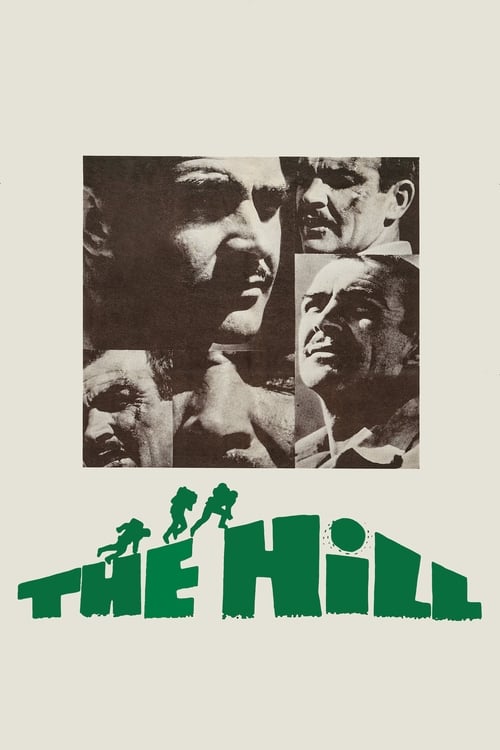
1965
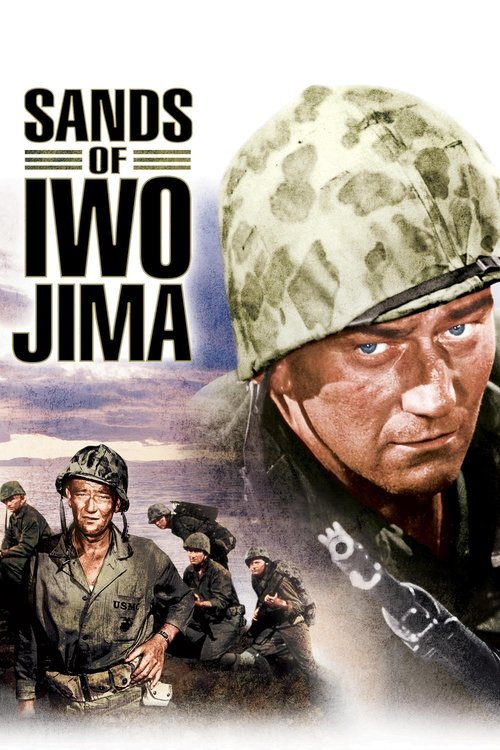
1950
1953
1955
No reviews yet. Be the first to share your thoughts on this movie!
Use the rating form above to leave a star rating and optional review.