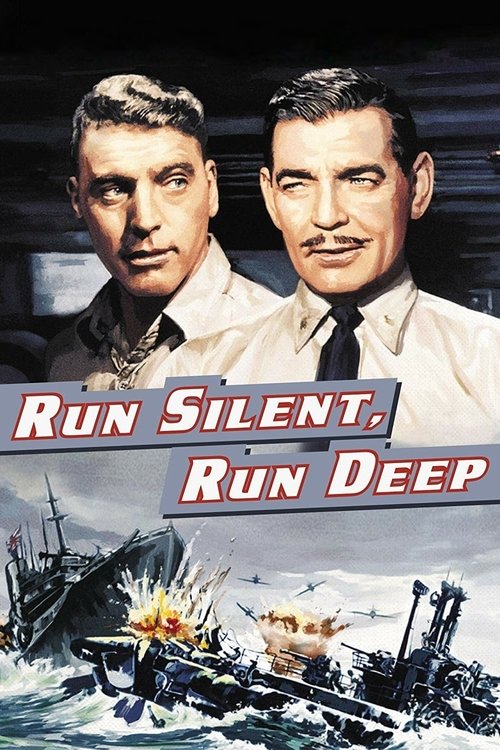
Run Silent, Run Deep
1958
No user ratings available yet
Representation score: 0.6 out of 10
Representation Score
Minimal
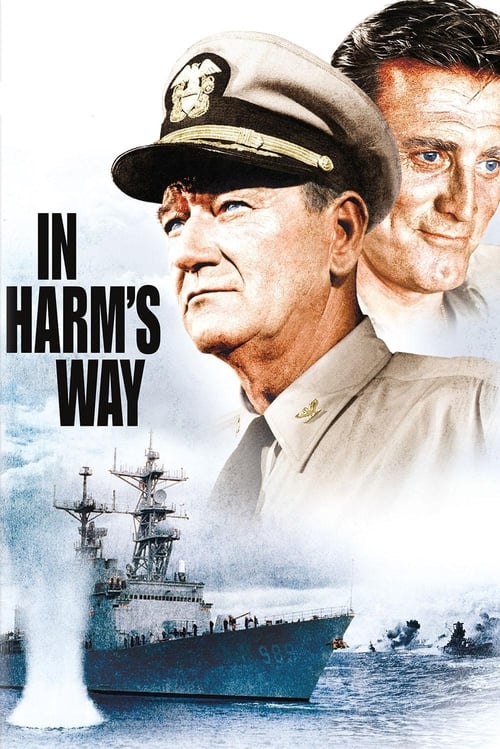
1965
NRDirector
Otto Preminger
Runtime
165 minutes
Average Rating
No ratings yetNew Showbiz Analysis
In Harm's Way is a classic mid-century war drama that closely follows the social and institutional norms of its time. It examines masculine archetypes and the preservation of established social orders during global conflicts. The film explores the tension between individual conscience and institutional duty without challenging underlying hierarchies. It keeps a focus on the male protagonist's struggle to balance command with his personal relationships. Ultimately, the work offers minimal disruption to conventional cultural expectations, reinforcing the traditional structures of the 1940s naval officer corps and Western military tradition.
Category Breakdown
The film follows a strict assumption that everyone is straight and cisgender. There are no depictions of non-traditional gender identities or critiques of traditional gendered relationships.
The story focuses on a male-dominated military structure. Although the female lead has emotional depth, her role is largely defined by her personal circumstances and social consequences.
The film portrays a homogeneous military environment reflecting the exclusionary practices of the 1940s. The narrative emphasizes a predominantly white, Anglo-Saxon viewpoint of the Pacific Theater.
This traditional patriotic drama highlights military discipline and Western institutional stability. It prioritizes duty and institutional loyalty over moral relativism or anti-establishment rebellion.
The film does not feature prominent characters with visible or invisible disabilities. Disability is not used as a primary narrative device.
Present on Screen
Limited or Absent
Official Synopsis
A Naval officer, reprimanded after Pearl Harbor, is later promoted to Rear Admiral and gets a second chance to prove himself against the Japanese.
1958
1945
1954
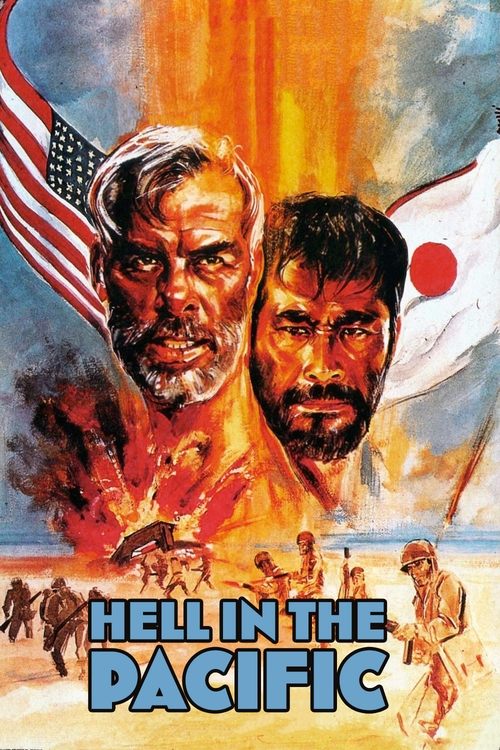
1968

1956
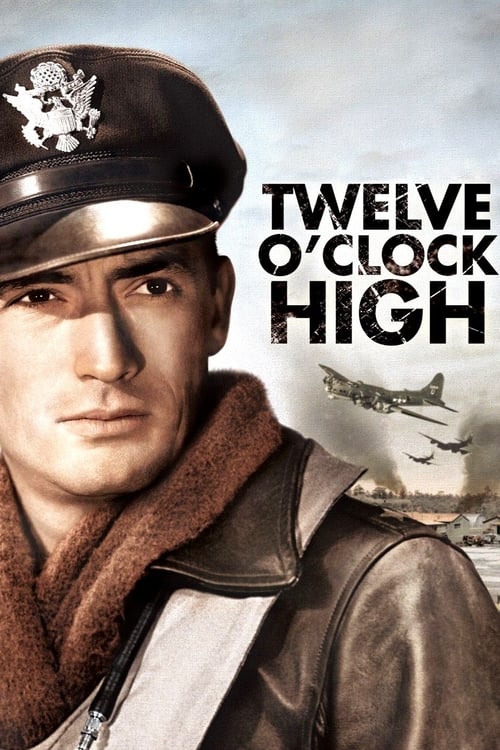
1949

2002
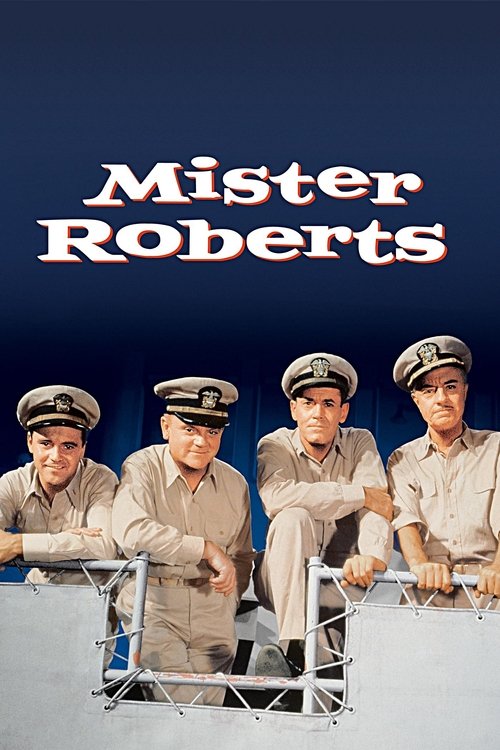
1955
No reviews yet. Be the first to share your thoughts on this movie!
Use the rating form above to leave a star rating and optional review.