
12th & Delaware
2010
No user ratings available yet
Diversity score: 6.7 out of 10
2010
Director
Clio Barnard
Runtime
91 minutes
Average Rating
No ratings yetSynopsis
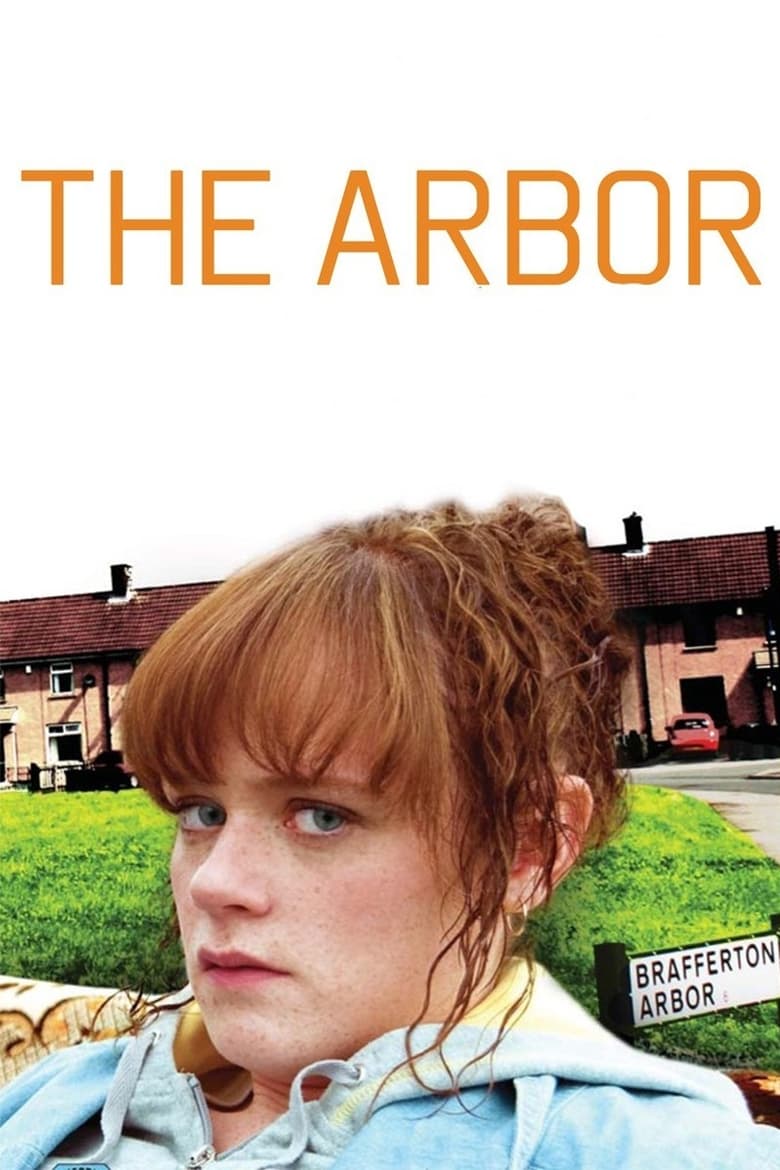
The lives of the late Bradford playwright Andrea Dunbar and Lorraine, one of her daughters, and the community of Bradford, in the 30 years since the 18-year-old Andrea penned a play about growing up in the community titled "The Arbor".
Overall Score
Good
Category Breakdown
LGBTQ+ Representation
The film maintains a neutral stance regarding queer identities. It does not explicitly center LGBTQ+ narratives or provide overt depictions of same-sex intimacy.
Gender Representation
The narrative excels by centering female agency and the intellectual legacy of Andrea Dunbar. It prioritizes the internal lives and psychological resilience of its female protagonists.
Racial & Ethnic Diversity
The film disrupts Anglo-centric depictions of Northern England by featuring a predominantly Black cast. It provides a nuanced portrayal of Black identity within a specific socioeconomic vacuum.
Religious & Cultural Diversity
The story critiques systemic neglect and the failure of state institutions. It uses magical realism to explore the fragmentation of the domestic sphere and the cycle of poverty.
Disability Representation
There is no dedicated exploration of neurodivergence or physical disability. However, the film examines how imagination serves as a coping mechanism for environmental trauma.
Strengths
Areas for Improvement
AI Analysis
Clio Barnard’s work is a sophisticated critique of class and race in the United Kingdom. By blending the legacy of playwright Andrea Dunbar with the lived experiences of her descendants, the film moves beyond standard social realism into a complex, identity-driven exploration. The film's greatest strength is its intersectional approach, particularly in how it integrates Black identity within a historically white, industrial setting. This avoids monolithic stereotypes and provides a profound disruption of traditional working-class narratives. While the film lacks specific focus on LGBTQ+ or formal disability representation, it succeeds in portraying the psychological impact of systemic hardship. It remains a highly progressive work that refuses easy resolutions in favor of deep social critique.
2010
2016

2022
1997

2019

2007

2019

2017
2023
2015

2004

2014
No reviews yet. Be the first to share your thoughts on this movie!
Use the rating form above to leave a star rating and optional review.