Which Side Are You On?
1985
No user ratings available yet
Representation score: 4.8 out of 10
Representation Score
Excellent
2016
Director
Louise Osmond
Runtime
93 minutes
Average Rating
No ratings yetNew Showbiz Analysis
Louise Osmond’s documentary serves as a sophisticated study of storytelling by examining a filmmaker dedicated to social disruption. The film succeeds by moving beyond including someone from a minority group without giving them real depth, instead integrating class, race, and gender into a cohesive critique of systemic power. The work excels in its cultural and gendered perspectives, portraying underrepresented groups as active agents within their own stories. It avoids traditional clichés, opting for a nuanced view of how institutions impact the individual. While the film lacks explicit LGBTQ+ or disability-centric narratives, it maintains a consistent progressive thread. It treats these subjects through the broader lens of systemic struggle and social justice.
Category Breakdown
The film does not center on explicit LGBTQ+ identities or specific narratives. Instead, it reflects Ken Loach's progressive social stance and his commitment to challenging assumptions about straight relationships through his broader body of work.
The documentary highlights Loach's focus on women's ability to drive the story and their resilience. It examines how his protagonists navigate labor struggles and domestic pressures, effectively disrupting conventional gender hierarchies and submissive clichés.
The film explores how Loach incorporates the lived experiences of ethnic minorities within the British working class. It portrays these identities as integral components of the social fabric rather than mere tokens.
This is the film's strongest area, chronicling a career dedicated to anti-capitalist critiques. It frames the friction between individuals and the state as a central, sophisticated narrative theme.
The film touches on the intersection of disability and socioeconomic hardship. It frames these experiences through the lens of systemic failure and the loss of social safety nets.
Present on Screen
Limited or Absent
Official Synopsis
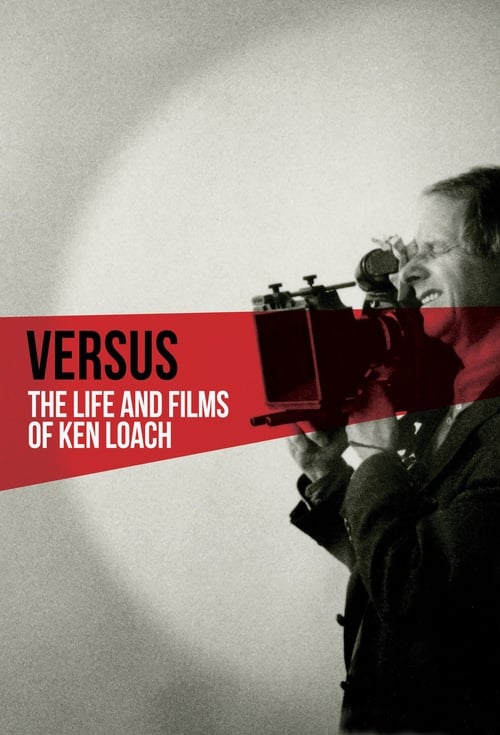
A surprisingly candid behind-the-scenes account of the career of Ken Loach, one of Britain’s most celebrated and controversial filmmakers, as he prepares to release his final major film I, Daniel Blake.
1985
2017
2017

2014
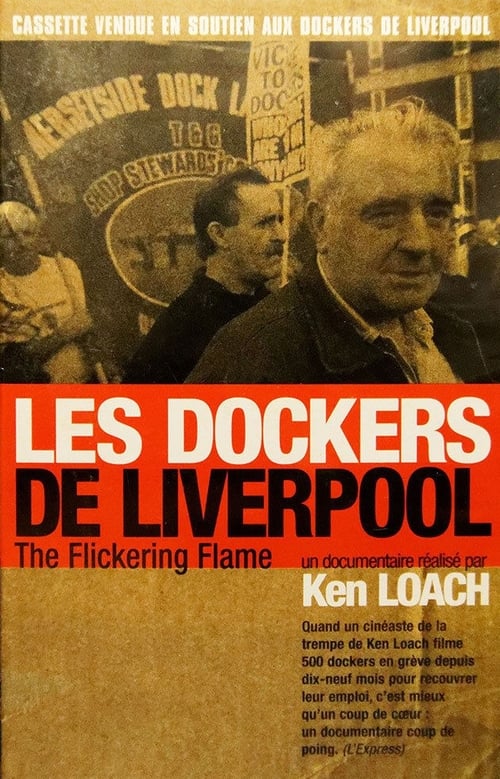
1996

2022
2014

2017
No reviews yet. Be the first to share your thoughts on this movie!
Use the rating form above to leave a star rating and optional review.