The World of Sports: Bowling Kings
1947
No user ratings available yet
Representation score: 0.2 out of 10
Representation Score
Limited
1970
Not RatedDirector
Elem Klimov
Runtime
81 minutes
Average Rating
No ratings yetNew Showbiz Analysis
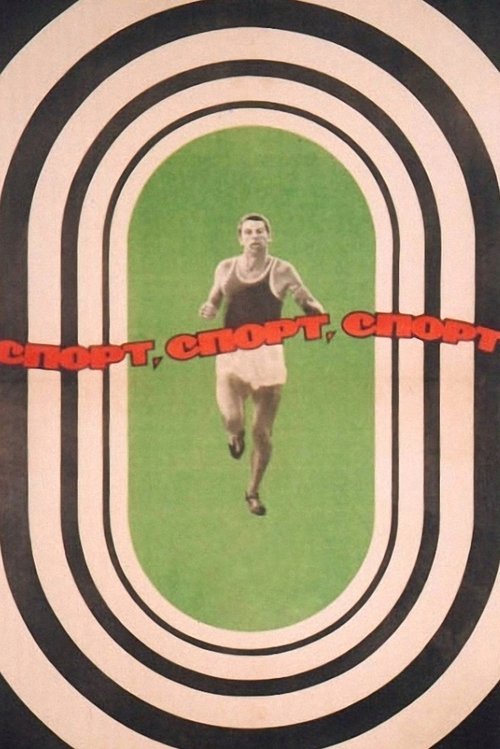
Elem Klimov’s documentary hybrid serves as a historical and architectural survey of global athletics. Using newsreel footage and staged sequences, the film tracks the evolution of sports through the development of stadiums in cities such as Moscow and Mexico City. Since the film emphasizes the spectacle of sports and the growth of physical venues, it lacks character-driven narratives essential for high diversity scores. Its narrative structure focuses on international competition rather than individual social dynamics. Overall, the film adheres to the documentary conventions of the early 1970s. It provides a globalized view of human achievement but lacks multi-layered depth and representation of underrepresented identities.
Category Breakdown
The film does not feature specific stories or arcs related to LGBTQ+ individuals. Instead, it focuses on the history and mechanics of athletic venues.
Gender representation stays within traditional boundaries, reflecting the male-dominated nature of the athletic newsreels from the time period. There is no indication of women taking leading roles or challenging gender hierarchies.
The film covers a wide geographical range, including North America, Europe, and Latin America. However, it centers on Western athletic frameworks without developing multi-layered character stories.
The narrative presents a globalized view by showing different international cities. It highlights achievements within the context of the 1970s systemic frameworks.
There is no depiction of athletes with disabilities or narratives about neurodivergence. The film does not address themes of physical impairment.
Present on Screen
Limited or Absent
Official Synopsis
Combining staged scenes, newsreel footage, and documentary episodes, the history of the development of sports is presented, showing the stadiums of Moscow, Philadelphia, Stockholm and Mexico City in the past and future.
1947

2015
1954

2019
1980

2007
1978
1942
No reviews yet. Be the first to share your thoughts on this movie!
Use the rating form above to leave a star rating and optional review.