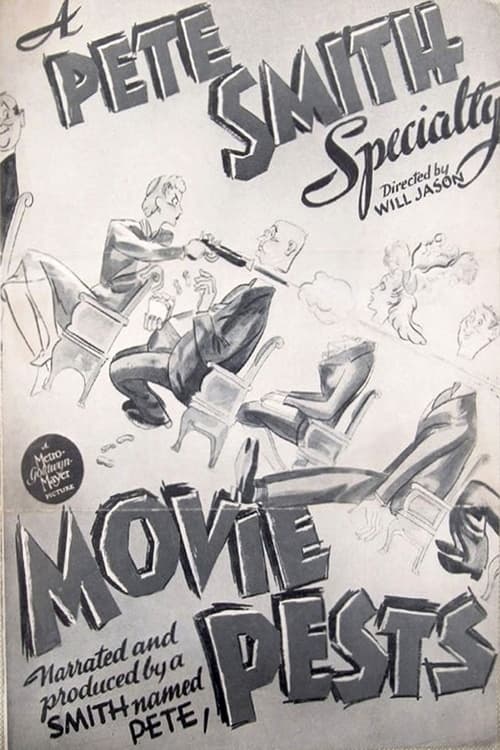
Movie Pests
1944
No user ratings available yet
Diversity score: 1.3 out of 10
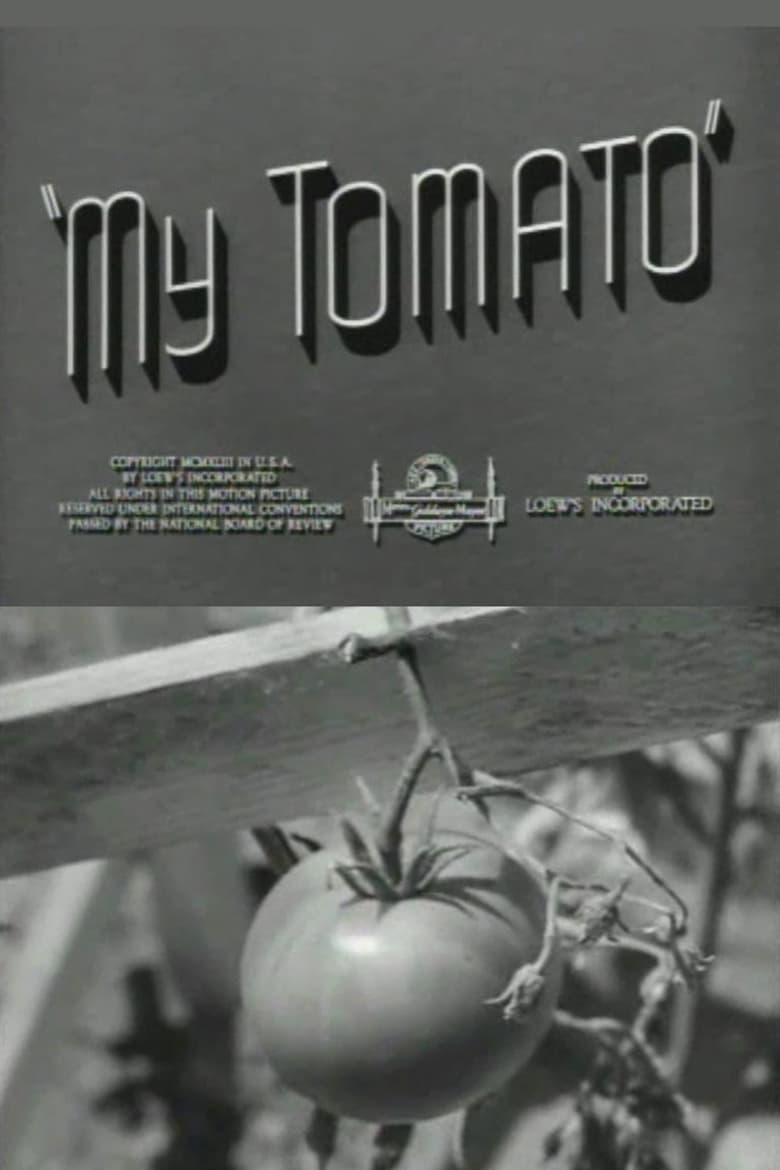
1943
ApprovedDirector
Will Jason
Runtime
8 minutes
Average Rating
No ratings yetSynopsis
Joe Doakes is lamenting to his wife the lack of variety in his meals. In particular, he misses eating stewed tomatoes, the fruit which he believes incorrectly is being rationed as a war measure. Mrs. Doakes knows that tomatoes aren't rationed, but she doesn't correct him, especially after he announces that he will grow enough tomatoes to feed the entire block. As he proceeds with his tomato garden, he, unaware of what it actually takes to grow tomato plants successfully, accepts advice from the many people who are willing to give it. The problem ends up being that much of the advice is conflicting. But at the end of the process, Joe is pleased with the fact of having grown a fruit to maturity - regardless of the actual yield of the garden - until someone else, or something else, has a say in what happens to that fruit.
Overall Score
Limited
Category Breakdown
LGBTQ+ Representation
The film focuses on a traditional domestic unit. There is no evidence of non-cisnormative identities or narratives that critique heteronormativity.
Gender Representation
Joe Doakes drives the plot through his misunderstanding of rationing. While Mrs. Doakes possesses intellectual agency, she remains a passive supporting figure within a traditional hierarchy.
Racial & Ethnic Diversity
The plot centers on a localized neighborhood, reflecting the homogenous demographic norms of 1940s American cinema. It lacks evidence of non-white or non-Anglo-Saxon perspectives.
Religious & Cultural Diversity
The story reinforces mid-century Western values, focusing on wartime domesticity and the nuclear family. It lacks any anti-institutional or secularist sentiment.
Disability Representation
The narrative contains no mention of characters with visible or invisible disabilities.
Strengths
Areas for Improvement
AI Analysis
My Tomato is a period-specific domestic comedy that adheres strictly to the social and cultural hierarchies of the 1940s. It functions as a reflection of its era's constraints rather than a challenge to them. The film lacks the narrative complexity required to disrupt conventional expectations regarding gender, race, or identity. The focus remains on a singular, traditional domestic experience. Ultimately, the work serves as a standard example of mid-century genre filmmaking, prioritizing middle-class, heteronormative, and homogenous social frameworks.
1944
1943
1945
1951

1932
1936
1945
1950
1945
1946
1947

1934
No reviews yet. Be the first to share your thoughts on this movie!
Use the rating form above to leave a star rating and optional review.