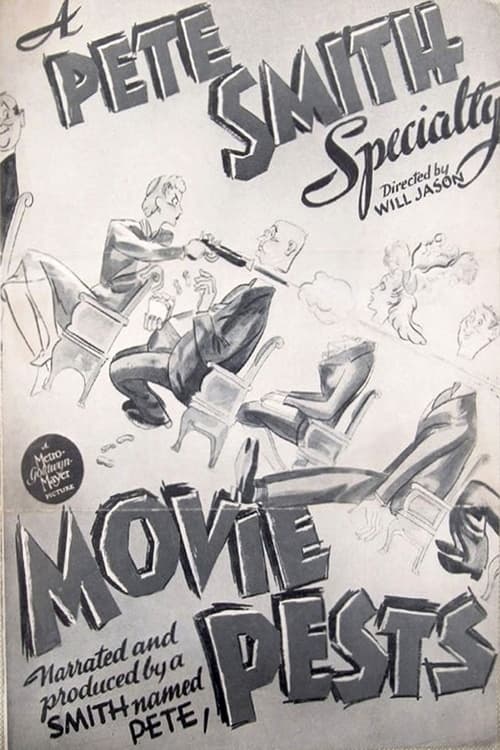
Movie Pests
1944
No user ratings available yet
Diversity score: 1.3 out of 10
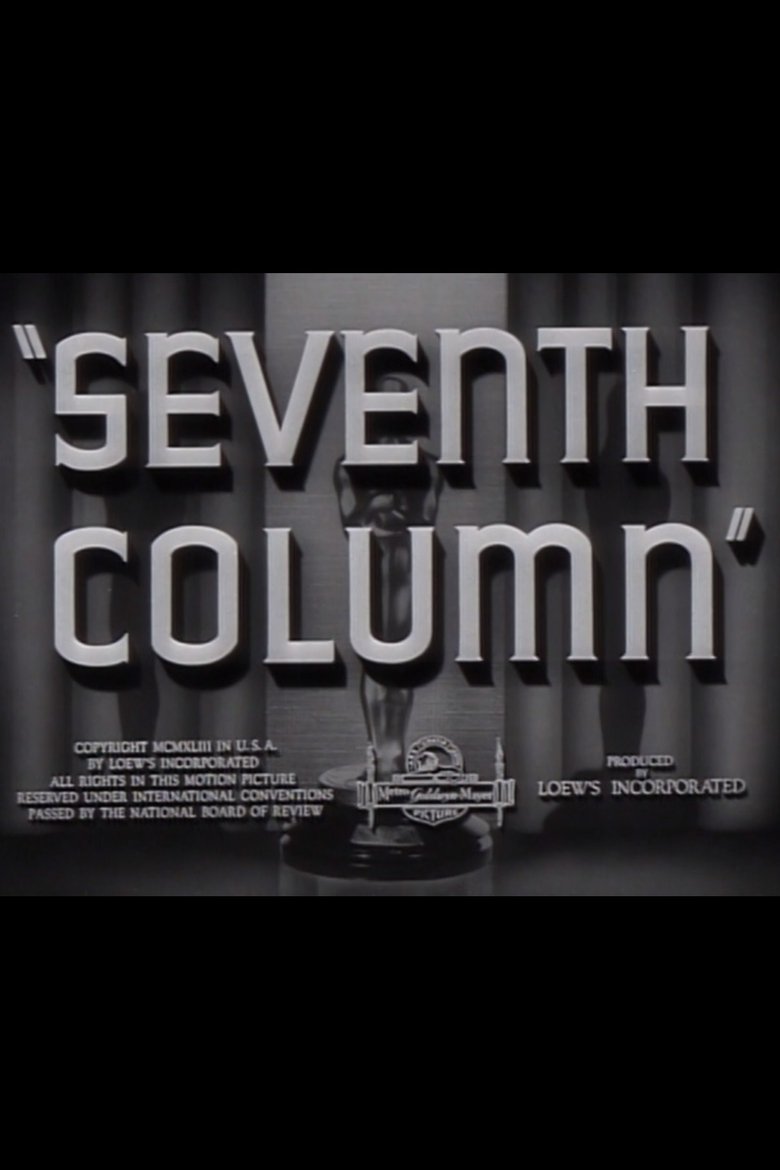
1943
ApprovedDirector
Will Jason
Runtime
9 minutes
Average Rating
No ratings yetSynopsis
This humorous short film shows how carelessness and accidents can harm the war effort, and steps on how to avoid them.
Overall Score
Fair
Category Breakdown
LGBTQ+ Representation
The film contains no depictions of non-cisnormative identities or same-sex intimacy. This absence aligns with the social constraints of 1943.
Gender Representation
Women are portrayed as active participants in the resistance rather than passive figures. They engage in intelligence gathering and sabotage, demonstrating significant agency.
Racial & Ethnic Diversity
A diverse ensemble is used to represent a unified front against occupying forces. However, the film lacks nuanced character depth or intersectional identity.
Religious & Cultural Diversity
The narrative frames organized rebellion against an oppressive regime as a moral necessity. It emphasizes systemic liberation from tyranny and corrupt institutions.
Disability Representation
The film focuses exclusively on able-bodied combatants and resistance members. There are no characters with visible or invisible disabilities portrayed with agency.
Strengths
Areas for Improvement
AI Analysis
Seventh Column serves as a wartime instructional tool that uses humor to highlight the dangers of sabotage. While its primary goal is state-aligned mobilization, it offers interesting subversions of typical 1940s tropes. The film's most notable achievement is its treatment of gender. By casting women in roles involving intelligence and active resistance, it disrupts the era's standard expectations of submissive femininity. However, the film remains limited by its functional purpose and the era's social mandates. It prioritizes a 'unified front' metaphor over deep, individual character development for its diverse ensemble.
1944
1943
1943
1944
1943
1942
1941
1946
1943

1943
1954
1960
No reviews yet. Be the first to share your thoughts on this movie!
Use the rating form above to leave a star rating and optional review.