Behemoth
2015
No user ratings available yet
Representation score: 4.3 out of 10
Representation Score
Excellent
2000
Director
Nigel Noble
Runtime
64 minutes
Average Rating
No ratings yetNew Showbiz Analysis
The Charcoal People succeeds as a humanistic study that shifts the gaze away from Western consumerism toward the underrepresented workers driving global production. By centering the lived experiences of migrant laborers in the Amazon, the film provides a platform for non-Western perspectives to lead the narrative. However, the film's scope is narrow, focusing heavily on socio-economic survival. This results in a lack of explicit representation for LGBTQ+ identities and a neutral approach to gendered power dynamics. Ultimately, the documentary is a powerful critique of systemic exploitation, using the physical degradation of its subjects to highlight the human cost of industrial demand.
Category Breakdown
The documentary does not include any explicit references to LGBTQ+ characters or narratives. The focus is on the socio-economic struggles of migrant workers and the environmental impact, without addressing non-straight relationships or identities.
The narrative centers on the daily lives of elders and children within the community. It highlights survivalist realities that often disrupt conventional gender roles in impoverished settings.
The film provides high ability to act by centering indigenous and migrant workers in the Amazon. It avoids a Western lens of discovery, allowing characters of color to drive the narrative.
The film critiques the global capitalist machine and the automobile industry's role in environmental destruction. It presents a nuanced, non-idealized view of communal existence and labor.
While specific disabilities are not mentioned, the film depicts the physical toll of extreme labor. Workers' bodies are shown charred gray from their grueling work.
Present on Screen
Limited or Absent
Official Synopsis
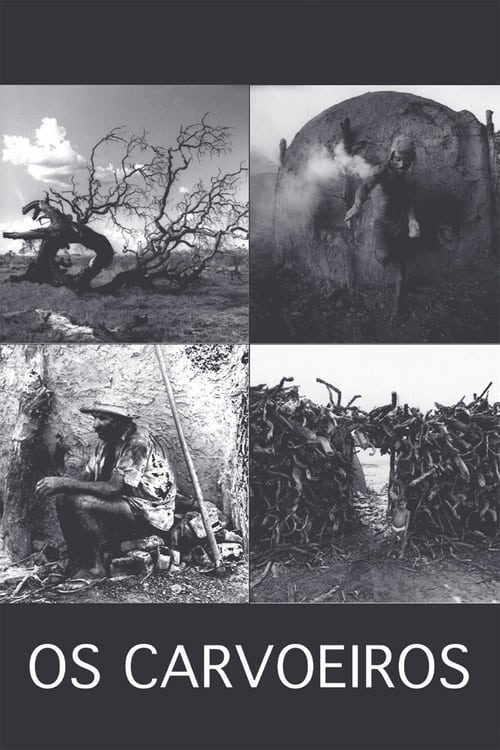
This deeply human documentary examines the subject of environmental destruction, highlighting the impoverished migrant workers who are chopping down the Amazon rainforest to create charcoal for pig iron production used primarily in the automobile industry. The film examines the children and elders and their daily lives and work as they burn timber in igloo-looking huts, their bodies charred gray for $2 a day, struggling to survive.
2015

2000

2015

2000
2009

2019
2009
2010
No reviews yet. Be the first to share your thoughts on this movie!
Use the rating form above to leave a star rating and optional review.