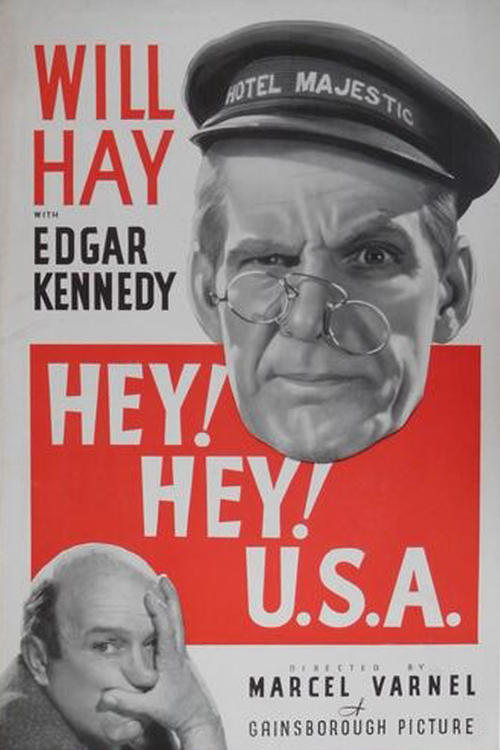
Hey! Hey! USA
1938
No user ratings available yet
Diversity score: 2.3 out of 10

1938
Director
Marcel Varnel
Runtime
91 minutes
Average Rating
No ratings yetSynopsis
A disgraced school master, Benjamin Twist, is mistaken for a tough prison governor and assigned the charge of a prison for particularly hardened criminals. Believing he is being sent to a school rather than a prison, he celebrates accordingly only to find that his drunkenness accidently lands him on the wrong side of the prison bars. The Governorship is eventually restored to him, and he sets about popularising himself amongst the convicts by turning a blind eye to their shady dealings.
Overall Score
Limited
Category Breakdown
LGBTQ+ Representation
The film operates within the conventional social frameworks of 1938. There is no evidence of LGBTQ+ characters or narratives that critique heteronormativity.
Gender Representation
The story centers on a male protagonist navigating a male-dominated prison environment. It relies on traditional masculine archetypes without portraying women in positions of agency.
Racial & Ethnic Diversity
The production reflects the demographic norms of its era. The narrative focuses on social class and the criminal underworld rather than racial or ethnic diversity.
Religious & Cultural Diversity
The film uses moral relativism as a comedic device. While it bypasses the rule of law for social gain, it does not engage in systemic critiques of religion or capitalism.
Disability Representation
There is no information available regarding the inclusion of characters with visible or invisible disabilities.
Strengths
Areas for Improvement
AI Analysis
Convict 99 is a traditional 1930s British farce that prioritizes slapstick and mistaken identity over social commentary. The narrative structure follows established comedic tropes of the period, focusing on a disgraced schoolmaster's accidental rise to power within a prison. The film adheres strictly to the demographic and social hierarchies of its time. It lacks intentionality in disrupting gender, racial, or sexual orientation norms, instead utilizing a male-centric environment to drive its plot. While the protagonist's moral flexibility provides a light critique of authority, the film remains a work of escapism rather than a subversion of systemic structures.
1938
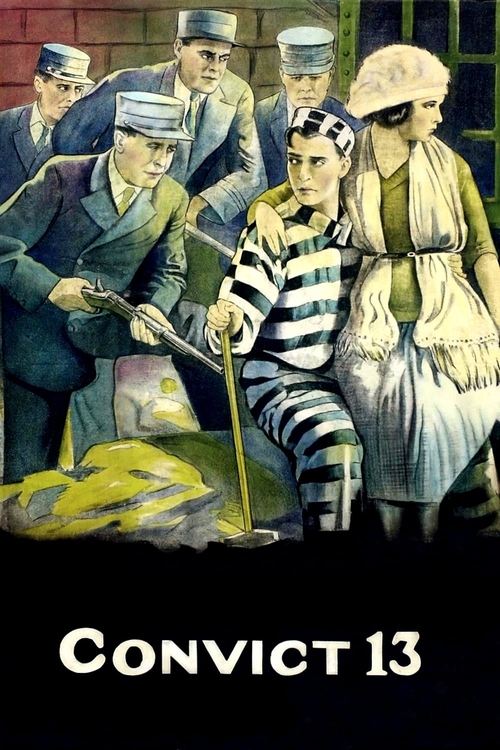
1920

2005
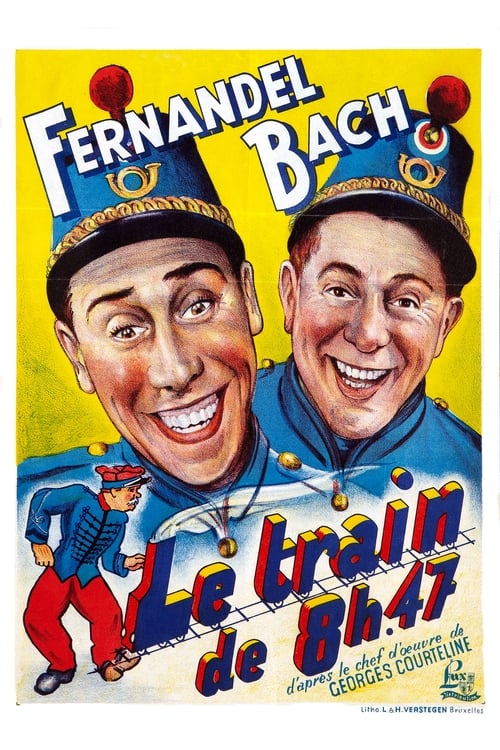
1934
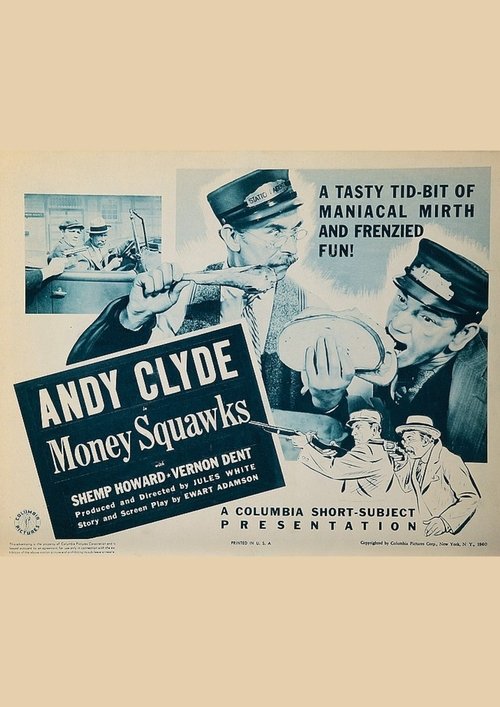
1940
1930
1939
1931

1950
1922
1934
1936
No reviews yet. Be the first to share your thoughts on this movie!
Use the rating form above to leave a star rating and optional review.