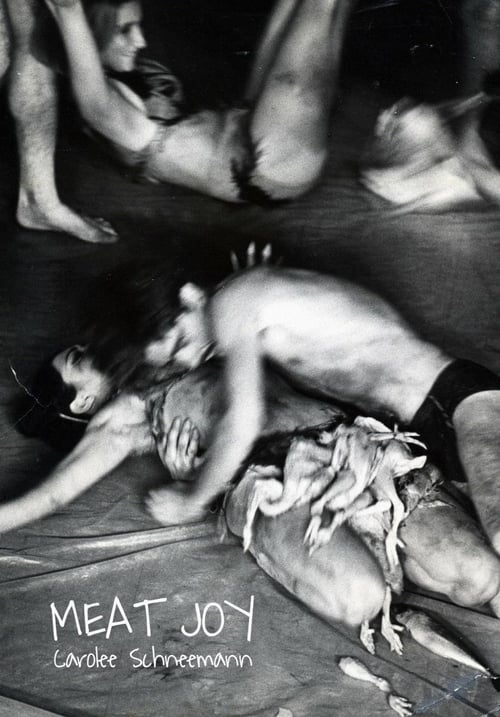
Meat Joy
1964
No user ratings available yet
Representation score: 6.9 out of 10

Representation Score
Fair
1970
Director
Ed Sommer, Irm Sommer
Runtime
7 minutes
Average Rating
No ratings yetNew Showbiz Analysis
This documentary captures a transgressive Viennese Actionism performance aimed at breaking social and religious taboos. It successfully challenges Western institutional norms through ritualistic, visceral imagery. However, the work's impact is limited by a lack of racial and ethnic diversity, focusing primarily on a specific European avant-garde tradition. While it challenges gender and sexual norms, it does not address disability or broader multi-layered identities. Ultimately, the film serves as a study in cultural deconstruction rather than a diverse social portrait.
Category Breakdown
The performance includes objects like a dildo to challenge traditional heterosexual intimacy. While there is no explicit queer storyline, it explores non-traditional gender expressions to question societal norms.
The film overturns traditional feminine stereotypes by showing the female body as a site of chaotic change. It rejects domestic ideals in favor of intense, ritualistic experiences.
The work centers on a European avant-garde movement. There is no indication of racial or ethnic diversity within the performance.
The film critiques organized religion through themes of crucifixion and ritualistic killing. It emphasizes visceral experience over traditional Christian morals.
The film does not depict physical or neurodivergent disabilities.
Present on Screen
Limited or Absent
Official Synopsis
A performance of Hermann Nitsch's "7th Abreaction Action", which was initially banned by police, is put on the following morning instead. The action consists of gutting a lamb, pouring the innards over a recumbent woman, mating with a dildo, crucifixion and a concluding scuffle. The action is accompanied by electric organ, percussion and recorded music.
1964

1976

2003
1963
1996

1992
1969
1964
No reviews yet. Be the first to share your thoughts on this movie!
Use the rating form above to leave a star rating and optional review.