
Growing Up
1971
No user ratings available yet
Representation score: 4.3 out of 10
Representation Score
Fair
1968
(Banned)Director
Gerhard Zenkel
Runtime
88 minutes
Average Rating
No ratings yetNew Showbiz Analysis
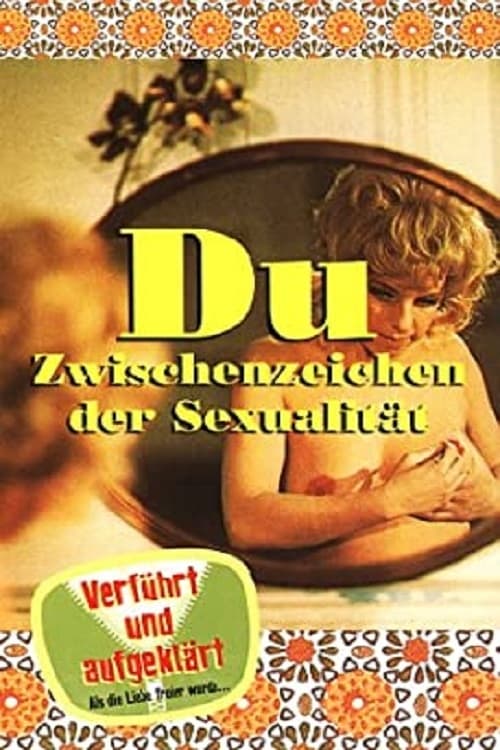
Gerhard Zenkel’s documentary serves as a clinical attempt to deconstruct social taboos through an educational lens. By utilizing an academic pedigree from the Institute for Educational Psychology, the film shifts the conversation from moralistic judgment to sociological inquiry. The work is notable for its progressive intent in the late 1960s, specifically in its effort to reposition underrepresented sexual identities within an academic framework. This structural choice disrupts the conventional social expectations of the era. However, the film's scope is limited by its clinical nature. While it successfully challenges religious and moralistic control over private behavior, it lacks specific evidence regarding racial diversity or disability representation.
Category Breakdown
The film uses interviews and reportage to address sexual behaviors that deviate from societal norms. This approach provides a platform for non-straight identities, moving beyond the era's standard censorship.
The documentary treats sexual expression as a psychological study rather than a matter of moral discipline. This challenges traditional gender hierarchies, though specific details on the subjects' roles remain unclear.
There is no available evidence regarding the racial or ethnic composition of the interviewees. The film's cast and subjects lack documented ethnic diversity.
The film prioritizes secular, psychological inquiry over religious frameworks. By framing sexuality through psychological reality rather than sin, it promotes a progressive form of moral relativism.
There is no documented evidence that neurodivergence or physical disabilities are central themes. The film does not appear to feature subjects with disabilities.
Present on Screen
Limited or Absent
Official Synopsis
Educational film devoted mainly to understanding sexual behavior that deviates from the norm and circumstantially attempts to de-taboo human sexuality. The manuscript of the film, which uses a wealth of interviews, statements, charts and reportage elements, was written by the director of the Institute for Educational Psychology at the PH in West Berlin.
1971
1965
1970
2006
2016
1970
1975
1969
No reviews yet. Be the first to share your thoughts on this movie!
Use the rating form above to leave a star rating and optional review.