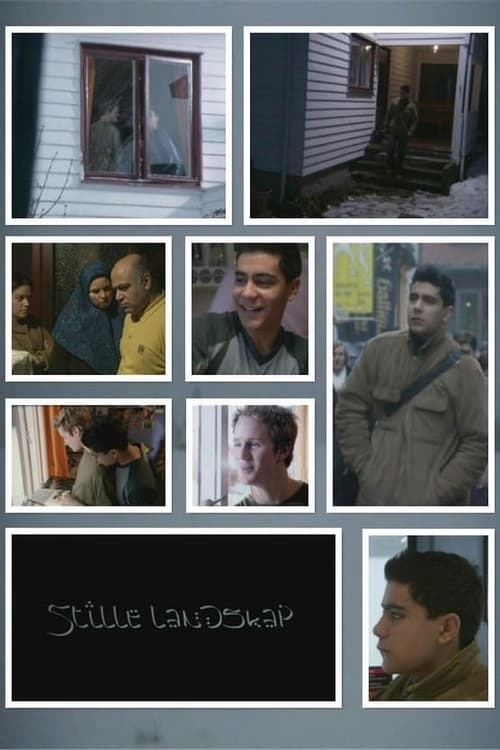
The Silent Landscape
2003
No user ratings available yet
Representation score: 6.7 out of 10
Representation Score
Good
1975
Director
Jamil Dehlavi
Runtime
54 minutes
Average Rating
No ratings yetNew Showbiz Analysis
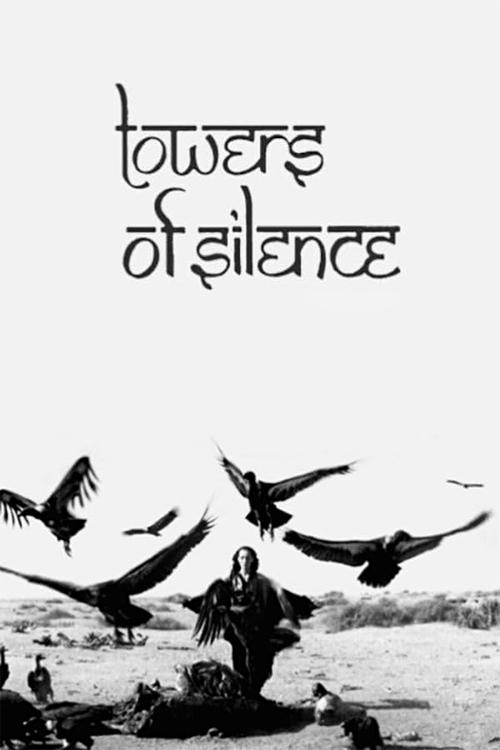
Towers of Silence stands out for its commitment to non-Western narrative perspectives. By highlighting the specific funerary rites of the Zoroastrian community, the film provides a nuanced look at identity politics and the disruption of established social hierarchies. The film effectively critiques institutional power and uses the protagonist's revolutionary journey to explore the tension between individual identity and collective religious mandates. However, the narrative is heavily focused on a male protagonist's development, which may limit the range of gender representation and leave questions about the explicit depiction of LGBTQ+ identities.
Category Breakdown
The film explores the tension between personal desires and strict religious rules. While there are no explicit details about non-straight relationships, the story hints at the possibility of challenging traditional social norms.
The story focuses on a male character's journey from childhood to revolution. This emphasis on a masculine arc is balanced by themes of love and self-improvement, which may challenge traditional ideas of masculinity.
The film highlights a Pakistani protagonist and offers a significant role in driving the story to characters within non-Western socio-political contexts. This disrupts the usual focus on Western narratives.
By focusing on Zoroastrian rituals and revolutionary changes, the film critiques established religious structures. It emphasizes subjective morality and supports pluralism over majoritarian religious dominance.
There is no verifiable evidence regarding the portrayal of physical or neurodivergent disabilities in the narrative.
Present on Screen
Limited or Absent
Official Synopsis
A Pakistani boy develops into a young revolutionary and confronts love, religious conflict, and his own death through Zoroastrian rituals of purification.
2003

1983
1993

2014
1992

2005
2003
2003
No reviews yet. Be the first to share your thoughts on this movie!
Use the rating form above to leave a star rating and optional review.