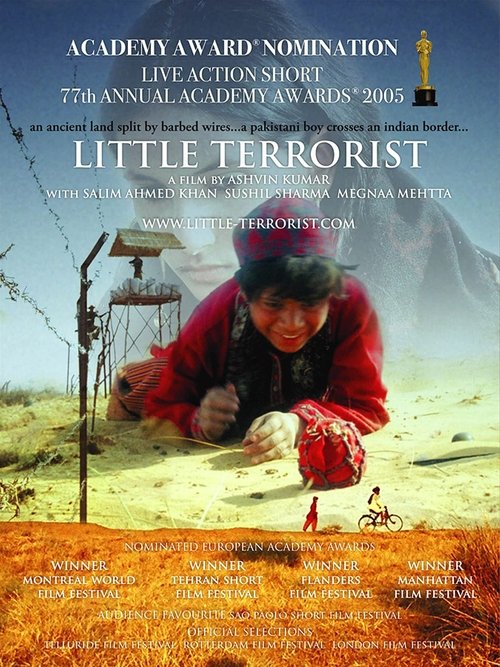
Little Terrorist
2004
No user ratings available yet
Representation score: 6.1 out of 10
Representation Score
Excellent
2004
Not RatedDirector
Sabiha Sumar
Runtime
99 minutes
Average Rating
No ratings yetNew Showbiz Analysis
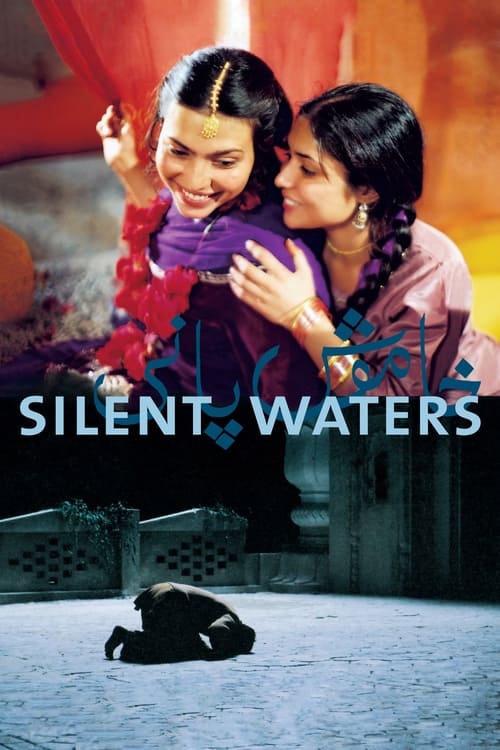
Silent Waters is a profound exploration of how religious nationalism and patriarchal structures impact individual lives. It succeeds by centering the female experience against a backdrop of rising radicalism, using Ayesha's struggle to critique systemic oppression. The film excels in its cultural and gendered depth, moving beyond monolithic depictions of South Asian life to examine the fragility of pluralism. By framing religious fervor as a disruptive force, it challenges established social hierarchies. However, the film remains limited in its explicit representation of queer identities and physical disabilities. While it touches on psychological trauma, these elements are secondary to the central political and gendered conflicts.
Category Breakdown
The film does not include explicit LGBTQ+ characters or non-assuming gender matches what was assigned at birth identities. It focuses on straight-centered and patriarchal structures that create tension for the female protagonists.
Ayesha’s journey challenges traditional hierarchies by highlighting the friction between women's ability to drive the story and systemic repression. The film also depicts radicalized masculinity as a destructive force that disrupts communal stability.
The narrative offers a nuanced portrayal of Pakistani identity through a predominantly South Asian cast. The arrival of Sikh pilgrims serves as a vital tool to explore inter-communal tensions.
The film critiques the weaponization of religious dogma for political control. It contrasts rigid fundamentalist laws against the nuanced, personal morality of individuals living within traditional social structures.
While physical disabilities are not central, the film explores the psychological toll of societal repression. The protagonist's haunted past represents the mental weight of living under constant surveillance.
Present on Screen
Limited or Absent
Official Synopsis
Ayesha is a widow with a secret past, living with her beloved son Saleem in a small town in Pakistan close to the Indian border. When the fires of Islamic nationalism invade their tranquil lives, Saleem and a few of the town's other young men are soon gripped by a religious fervour, and they attempt to bring radical Islamic law to their friends and neighbours. After a group of Sikh pilgrims arrive in town, tensions reach boiling point as Ayesha's haunted past comes rushing back.
2004

2004

2013

2017
2007

2005

2009

2004
No reviews yet. Be the first to share your thoughts on this movie!
Use the rating form above to leave a star rating and optional review.