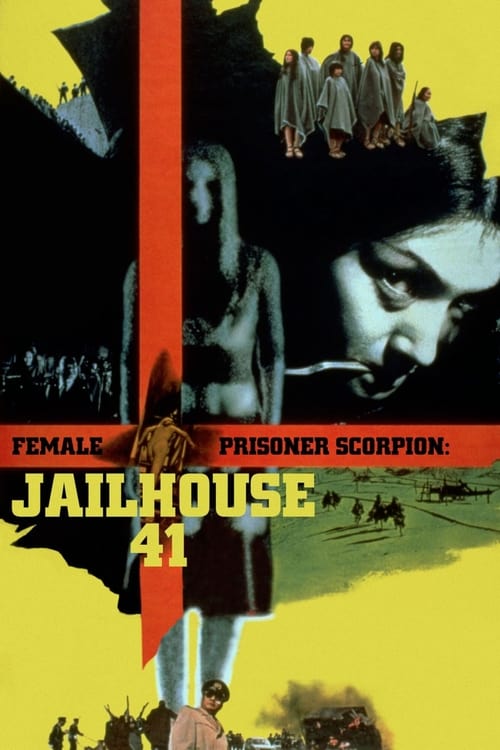
Female Prisoner Scorpion: Jailhouse 41
1972
No user ratings available yet
Representation score: 7.7 out of 10
Representation Score
Fair
1976
Director
Shin Sang-ok
Runtime
94 minutes
Average Rating
No ratings yetNew Showbiz Analysis
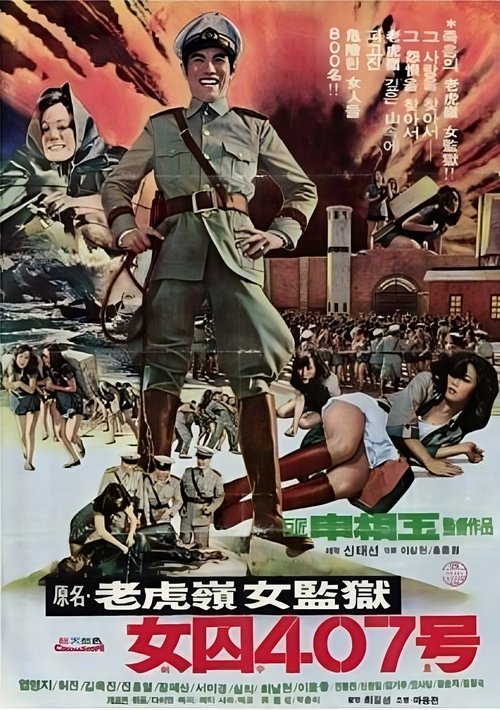
Woman Prisoner No. 407 stands out for its subversion of gendered expectations and its deep engagement with post-colonial tensions. The protagonist, Kang-hie, transitions from a passive victim to an active driver of the plot in a landscape of systemic oppression. The film's strength lies in its exploration of ethnic identity and resistance against Japanese authority. By focusing on the struggle of Korean independence fighters, it provides a meaningful critique of historical hierarchies and imperialist structures. However, the film lacks representation in several key areas. There is no evidence of LGBTQ+ identities or disability representation, and the romantic elements seem to follow traditional archetypes of the time.
Category Breakdown
The film does not include any explicit LGBTQ+ characters or representations of non-straight relationships. The plot focuses on a traditional romantic relationship between the main character and a Japanese agent.
Kang-hie challenges traditional feminine passivity by transforming from a victim of systemic exploitation into an active driver of the plot. Her escape and pursuit of her former lover showcase her significant role in the story.
The film explores post-colonial dynamics through the conflict between Korean independence fighters and Japanese agents. It delves into ethnic identity and the reclaiming of ability to act against a colonial power.
The movie critiques oppressive systemic frameworks, particularly the Japanese occupation and the prison system. It portrays the protagonist's struggle as resistance against a dominant, imperialist authority.
There is no information indicating the presence of physical or mental disabilities among the characters in the narrative.
Present on Screen
Limited or Absent
Official Synopsis
Kang-hie recalls from her cell how she was used by Japanese detectives to track down and destroy the Korean Independence fighters. She manages to escape from prison during a break and proceeds to hunt down her former lover who was a Japanese agent.
1972

1972

1974

1966

1968
1970

1981
1973
No reviews yet. Be the first to share your thoughts on this movie!
Use the rating form above to leave a star rating and optional review.