
Stray Cat Rock: Wild Jumbo
1970
No user ratings available yet
Representation score: 3.5 out of 10
Representation Score
Fair
1974
UnratedDirector
Yukio Noda
Runtime
88 minutes
Average Rating
No ratings yetNew Showbiz Analysis
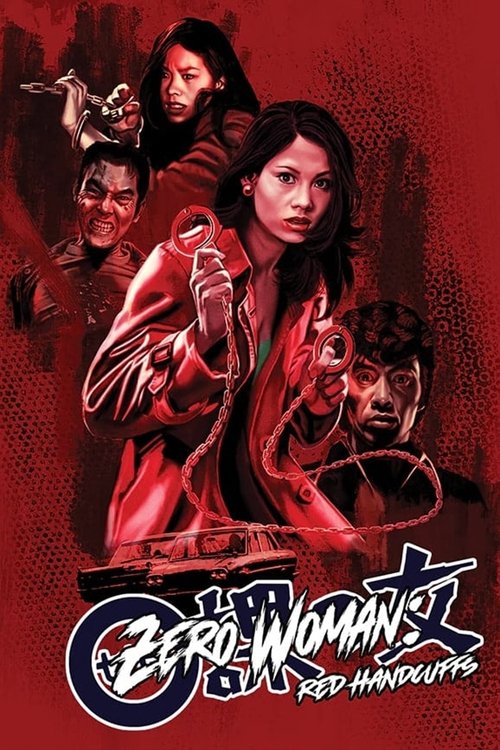
Zero Woman: Red Handcuffs stands out for its aggressive subversion of 1970s gender stereotypes. By featuring a female protagonist who is more tactically capable than her male counterparts, the film challenges traditional gender roles. The narrative also offers a critique of systemic authority. The protagonist's journey from a decorated officer to a vigilante highlights the tension between personal morality and obstructive legal frameworks. However, the film's social scope is limited. It lacks LGBTQ+ representation and does not explore racial the way different parts of someone's identity overlap, focusing instead on a culturally specific Japanese setting and a singular, high-stakes mission.
Category Breakdown
The film does not include any LGBTQ+ characters or explore non-straight-centered identities. The story centers around the protagonist's mission and the criminal underworld.
Agent Zero challenges traditional gender roles by demonstrating superior combat skills and strategic thinking. She acts independently against patriarchal systems.
The cast is primarily Japanese, maintaining cultural authenticity for the setting. The film does not pursue multi-layered racial diversity or color-blind casting.
The story critiques institutional authority by showing a protagonist who operates outside a flawed legal system. It emphasizes individual action over state-sanctioned justice.
There are no characters with physical or neurodivergent disabilities in the narrative.
Present on Screen
Limited or Absent
Official Synopsis
Agent Zero is a cop that uses her own methods for dealing with criminals. After she unlawfully kills a rapist in a violent fashion, she is sent to prison and stripped of her badge. But very soon after, a rich politician's daughter is kidnapped by a ruthless gang. Agent Zero is let out of prison with the mission of going undercover to find the politician's daughter and return her safely. Using her deadly red handcuffs, she disposes of the criminals one by one.
1970
1972

1971

1972
1987

1971
1995
1974
No reviews yet. Be the first to share your thoughts on this movie!
Use the rating form above to leave a star rating and optional review.