Once Upon a Time…
1950
No user ratings available yet
Representation score: 1.3 out of 10
Representation Score
Limited
1978
Director
Giulio Gianini, Emanuele Luzzati
Runtime
46 minutes
Average Rating
No ratings yetNew Showbiz Analysis
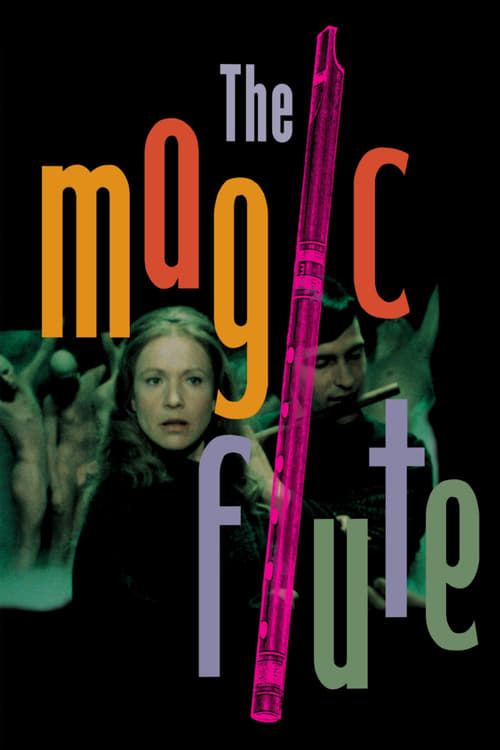
Emanuele Luzzati’s animation is a stylized, artisanal translation of Mozart’s opera that prioritizes aesthetic abstraction over contemporary sociopolitical themes. It honors the structural integrity of the classical masterpiece through a lens of European high art. The film focuses on preserving cultural heritage and mythic archetypes. Because it adheres so closely to the original operatic framework, it lacks the intentionality required to address modern multi-layered frameworks or diverse social identities. Ultimately, the production serves as a traditionalist celebration of Western composition. It succeeds as a visual companion to the music but remains tethered to the historical norms of the source material.
Category Breakdown
The film relies on classical operatic clichés and non-traditional archetypes. While the source material includes elements of gender fluidity, this animation lacks explicit depictions of non-straight relationships or same-sex intimacy.
Powerful female figures like the Queen of the Night act as primary plot catalysts. However, these characters often operate within a binary struggle against masculine authority rather than challenging traditional hierarchies.
The visual language is rooted in European operatic tradition. The film utilizes a mythic setting that does not explicitly prioritize racial or ethnic diversity beyond its traditionalist character designs.
This work functions as a celebration of Western classical music and European high art. It preserves cultural heritage rather than offering a critique of Western institutions or traditional values.
The characters function primarily as allegorical or mythological figures. There is no discernible evidence regarding the portrayal of physical, sensory, or neurodivergent disabilities.
Present on Screen
Limited or Absent
Official Synopsis
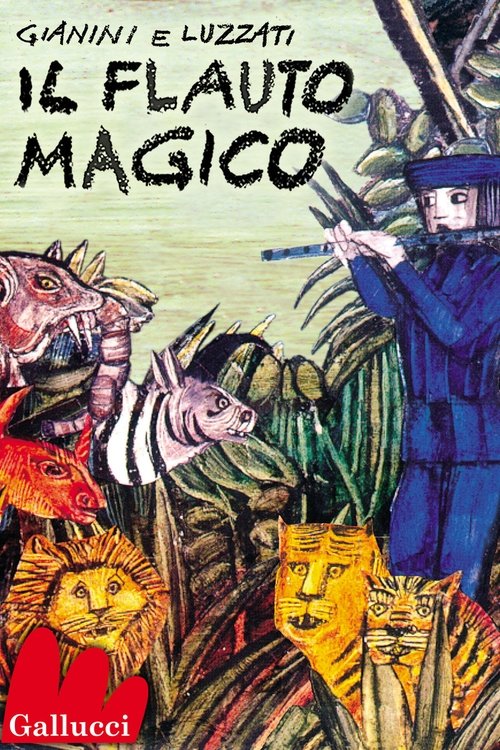
Emanuele Luzzati was a talented artist, director and animator. One of his best known short films was 1978’s The Magic Flute set to the music from Mozart’s two-act opera. As a stage director, Luzzati had mounted a lavish 1963 full-scale production of the opera and fell in love with the music and the story. His animated The Magic Flute, made fifteen years later, was met with glowing reviews and multiple awards. He followed the completion of the film with a children’s picture book that succinctly retells the story. (by Joseph Crisalli)
1950
1975
1959

1976
1941
1946
2006
2008
No reviews yet. Be the first to share your thoughts on this movie!
Use the rating form above to leave a star rating and optional review.