The Magic Flute
1978
No user ratings available yet
Representation score: 3.8 out of 10
Representation Score
Minimal
1950
Director
José Escobar, Alexandre Cirici Pellicer
Runtime
77 minutes
Average Rating
No ratings yetNew Showbiz Analysis
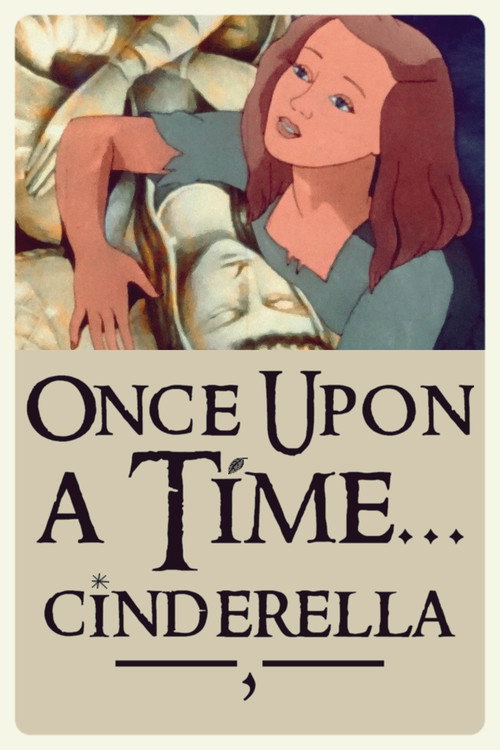
This 1950 Spanish animation is a historical milestone in European cinema, yet it remains firmly rooted in the social hierarchies of its time. As an adaptation of Perrault's Cinderella, it prioritizes traditional storytelling and moral clarity over progressive representation. The film serves as a product of mid-century norms, reinforcing Eurocentric aesthetics and traditional romantic structures. It lacks the depth of characters who reflect more than one aspect of diversity or the intentional disruption of social norms found in contemporary works. While significant for its era, the narrative validates established social orders and traditional gender roles through a classic fairy tale framework.
Category Breakdown
The film follows the traditional structures typical of 1950s fairy tale adaptations and does not include any queer romantic arcs or non-cisgender gender identities.
The story centers on a female protagonist's domestic journey, concluding with social mobility achieved through marriage rather than challenging traditional hierarchies.
Reflecting the Eurocentric standards of mid-century animation, the film lacks diverse ethnic characters and aligns with the homogeneous aesthetic norms of its era and literary source.
As a traditional moral fable, the film emphasizes the restoration of social order and domestic harmony, reinforcing established virtues rather than exploring moral relativism or cultural critique.
There is no evidence of neurodivergence or disability being used as a central narrative device. Characters do not appear to have a significant role through these specific traits.
Present on Screen
Limited or Absent
Official Synopsis
The young daughter of the Count of Aubanel, beautiful and kind-hearted, is loved by all her father's vassals; but she is cruelly mistreated by her stepmother and stepsister.
1978
2008
1961
1934
1922
1958
1978
1964
No reviews yet. Be the first to share your thoughts on this movie!
Use the rating form above to leave a star rating and optional review.