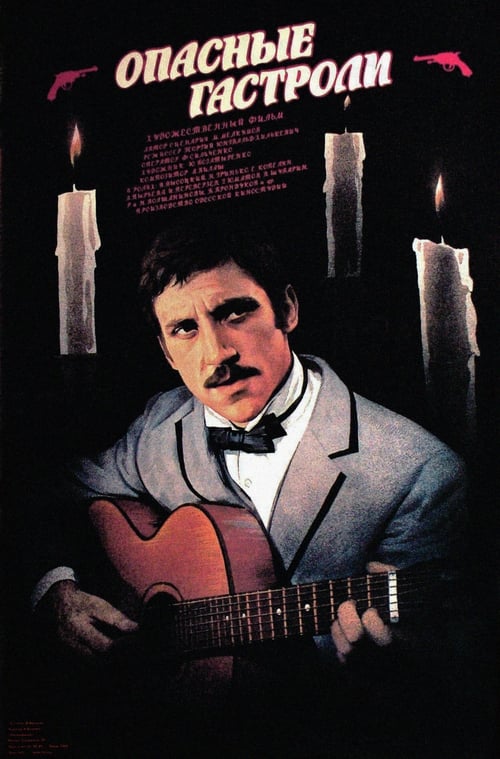
Dangerous Tour
1969
No user ratings available yet
Representation score: 4.5 out of 10
Representation Score
Limited
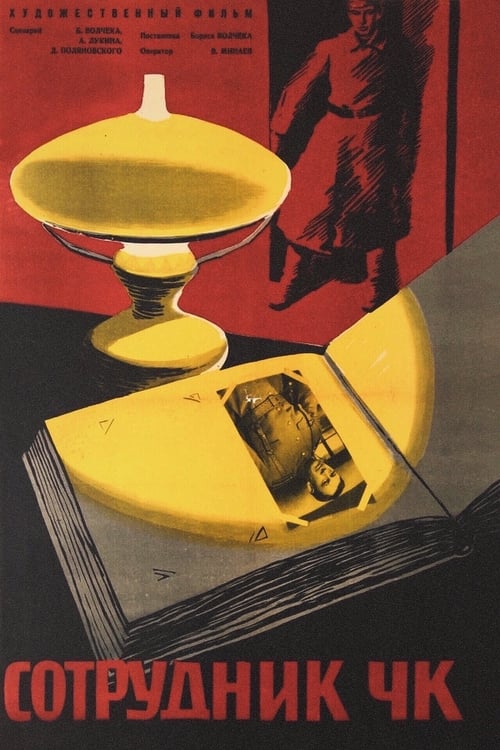
1964
Director
Boris Volchek
Runtime
97 minutes
Average Rating
No ratings yetNew Showbiz Analysis
Cheka Employee is a period action piece that prioritizes ideological conflict over diverse representation. It functions as a study of revolutionary struggle, focusing heavily on the dismantling of monarchist and capitalist structures. While the film provides a strong cultural critique of pre-revolutionary institutions, it remains limited by the social norms of its 1964 production era. The narrative is driven by male-centric military dynamics and lacks breadth in gender and identity representation. Ultimately, the film is a product of its time, offering deep engagement with political themes while remaining narrow in its depiction of human diversity.
Category Breakdown
The film does not depict any non-binary gender identities or same-sex relationships. It follows the heterosexual norms of the 1919 setting.
Male characters like Aleksei Mikhalyov have significant roles in driving the story. The military and political structures emphasize masculine leadership.
The story focuses on the homogeneous ethnic makeup typical of mid-century Soviet historical dramas. It prioritizes ideological struggle over diverse regional ethnic representation.
The film effectively critiques monarchist and Western-aligned hierarchies. It centers on the collective revolutionary struggle to dismantle oppressive pre-revolutionary social orders.
There are no characters with visible or invisible disabilities. Disability is not used as a narrative device or plot point.
Present on Screen
Limited or Absent
Official Synopsis
Russia, 1919. A young soldier of the First Cavalry Army, Aleksei Mikhalyov, is sent to work in the provincial Cheka. Here in the south of the country there is a large White Guard underground led by the elusive Markov. Aleksei gets into the gang, where he is mistaken for his own. The day of the operation to eliminate the white underground is appointed. But unforeseen circumstances destroy the plans of the Chekists.
1969

1969
1968
2014
1956
1976
1968
1970
No reviews yet. Be the first to share your thoughts on this movie!
Use the rating form above to leave a star rating and optional review.