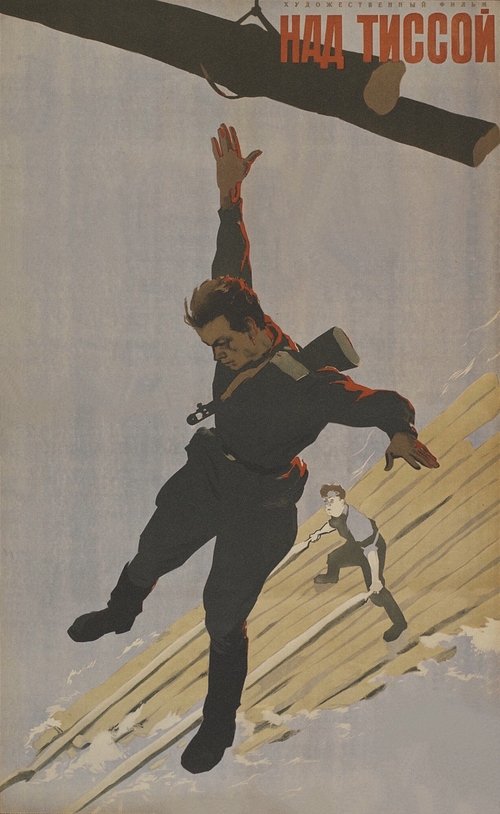
Over Tissa
1958
No user ratings available yet
Representation score: 1.9 out of 10
Representation Score
Fair
1970
Director
Shaken Aimanov
Runtime
146 minutes
Average Rating
No ratings yetNew Showbiz Analysis
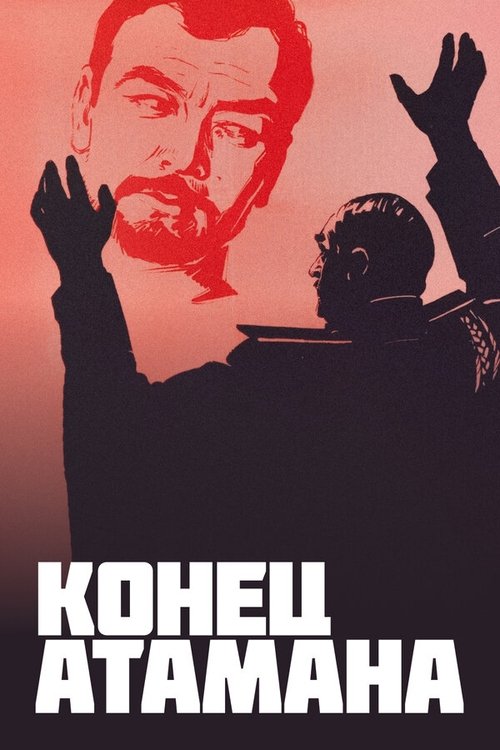
The End of Ataman is a significant example of regional cinematic representation. It successfully diversifies the historical spy thriller genre by shifting the political struggle to Central Asia, moving away from Western-centric perspectives. While the film provides strong ethnic and cultural centering, it remains tied to the traditional clichés of its genre. The emphasis on masculine combat and military leadership limits its gender and LGBTQ+ representation. Ultimately, the film's strength lies in its ability to elevate Central Asian perspectives and challenge imperialist storytelling through a localized historical lens.
Category Breakdown
The film does not include any non-cisgender identities or same-sex relationships. It focuses on military camaraderie and political conflicts within a traditional 1970s Soviet cinematic setting.
The spy thriller genre emphasizes masculine roles through the main character and antagonist. While female characters may be present, the narrative highlights male-driven military hierarchies.
The film stands out by focusing on Kazakh history and context. It challenges Eurocentric spy stories by emphasizing regional identity and Central Asian cultural elements.
The story critiques traditional power structures by presenting the Ataman as a target. It highlights emerging Soviet collective ideals over pre-revolutionary religious or nationalist hierarchies.
There is no indication of physical or neurodivergent disabilities being portrayed in the film.
Present on Screen
Limited or Absent
Official Synopsis
A Kazakh spy thriller: In 1921, at the height of the civil war, a Soviet officer is assigned to kill the ataman Dutov, a White collaborator. In order to get close to the ataman he infiltrates his gang.
1958

1969
1964
2014
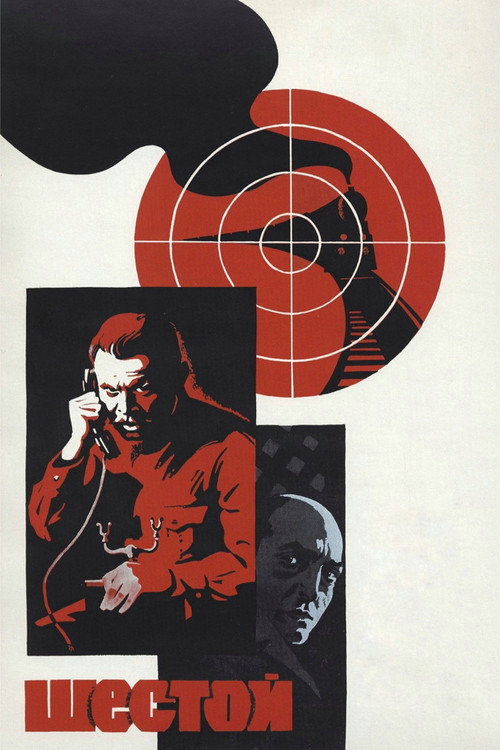
1982
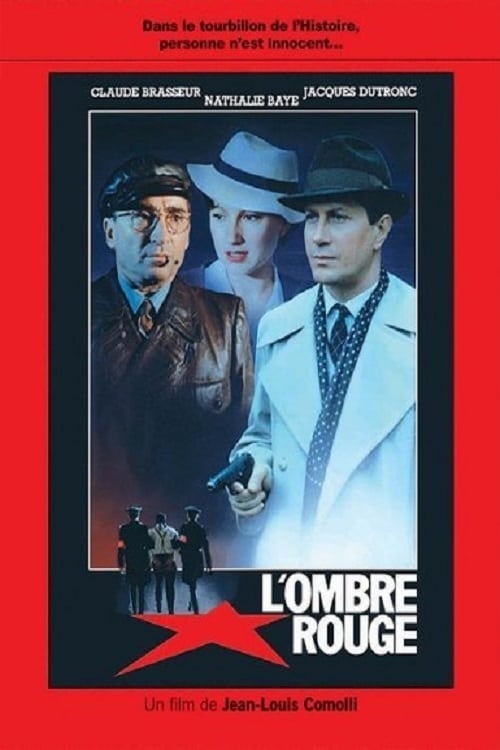
1981
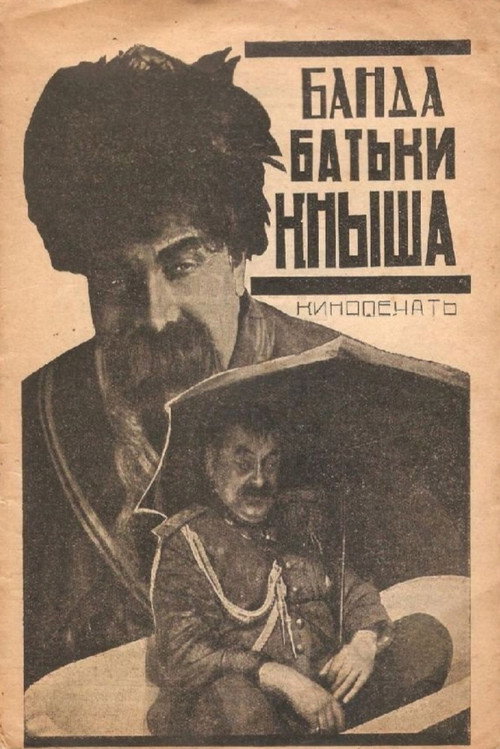
1924
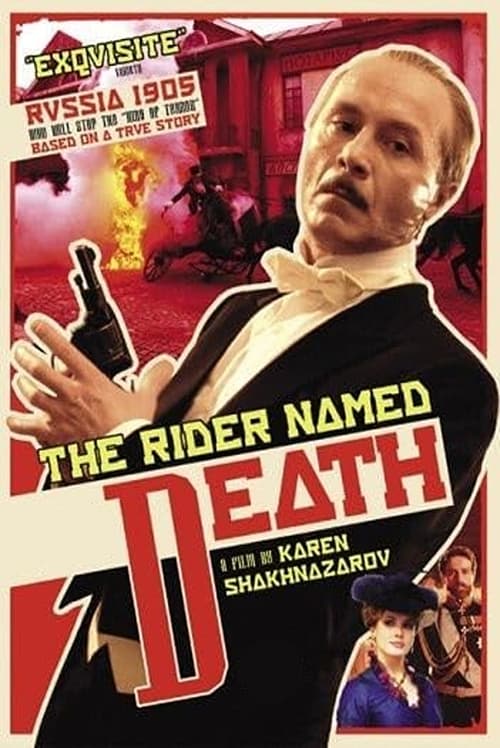
2004
No reviews yet. Be the first to share your thoughts on this movie!
Use the rating form above to leave a star rating and optional review.