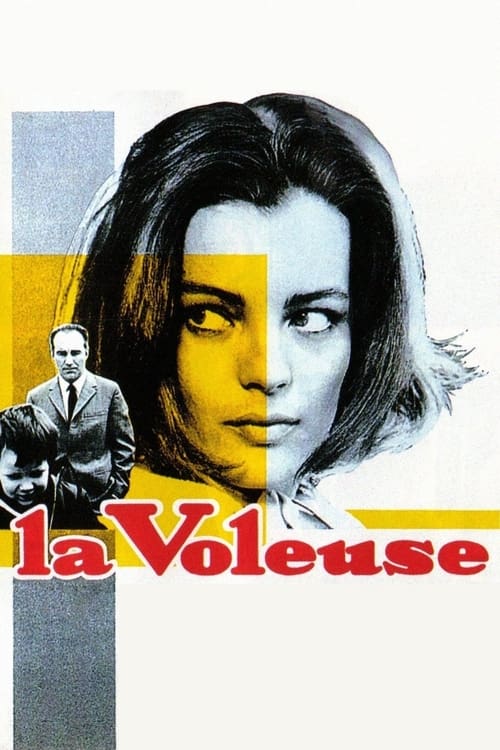
La Voleuse
1966
No user ratings available yet
Representation score: 3.1 out of 10
Representation Score
Fair
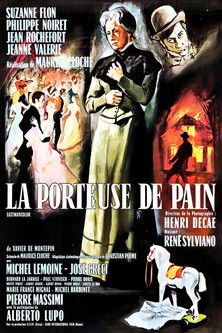
1963
Director
Maurice Cloche
Runtime
120 minutes
Average Rating
No ratings yetNew Showbiz Analysis
La Porteuse de pain presents a traditional view of 19th-century society through the lens of a hardworking widow. Jeanne is a capable woman whose labor sustains her family, yet her story is shaped by male authority figures. The film highlights class differences and the dignity of labor without challenging social hierarchies. Representation is limited to the historical context, with no diversity in race, gender identity, or disability. The narrative relies on heterosexual relationships and white casting to reflect its period setting. While female characters are shown as responsible and morally grounded, they ultimately depend on men for financial security and protection. The overall diversity score reflects these constraints. The film offers a clear depiction of economic power gaps but lacks broader representation. It remains a straightforward historical drama that prioritizes period accuracy over modern inclusivity.
Category Breakdown
The story contains no LGBTQ+ characters or same-sex romance. All romantic interactions are strictly heterosexual, focusing on Jeanne and her male suitors within the 1861 Paris setting.
Jeanne drives the plot through her labor and moral choices, yet she remains dependent on male employers for survival. Men hold all positions of authority, including the factory owner who dismisses her.
The cast is entirely white, reflecting the 19th-century French setting. No characters of color appear in the main narrative or background scenes.
Class disparity is central, showing how poverty forces Jeanne into vulnerable positions with wealthy men. Traditional family values are honored, with Jeanne’s widowhood and duty to her children framing her actions.
No characters with physical or mental disabilities are featured. The story focuses on economic hardship and social status rather than disability experiences.
Present on Screen
Limited or Absent
Official Synopsis
A young woman by the name of Jeanne Fortier finds herself the victim of a terrible miscarriage of justice.
1966
1967
1958
1960
1963
1979
1969
1973
No reviews yet. Be the first to share your thoughts on this movie!
Use the rating form above to leave a star rating and optional review.