
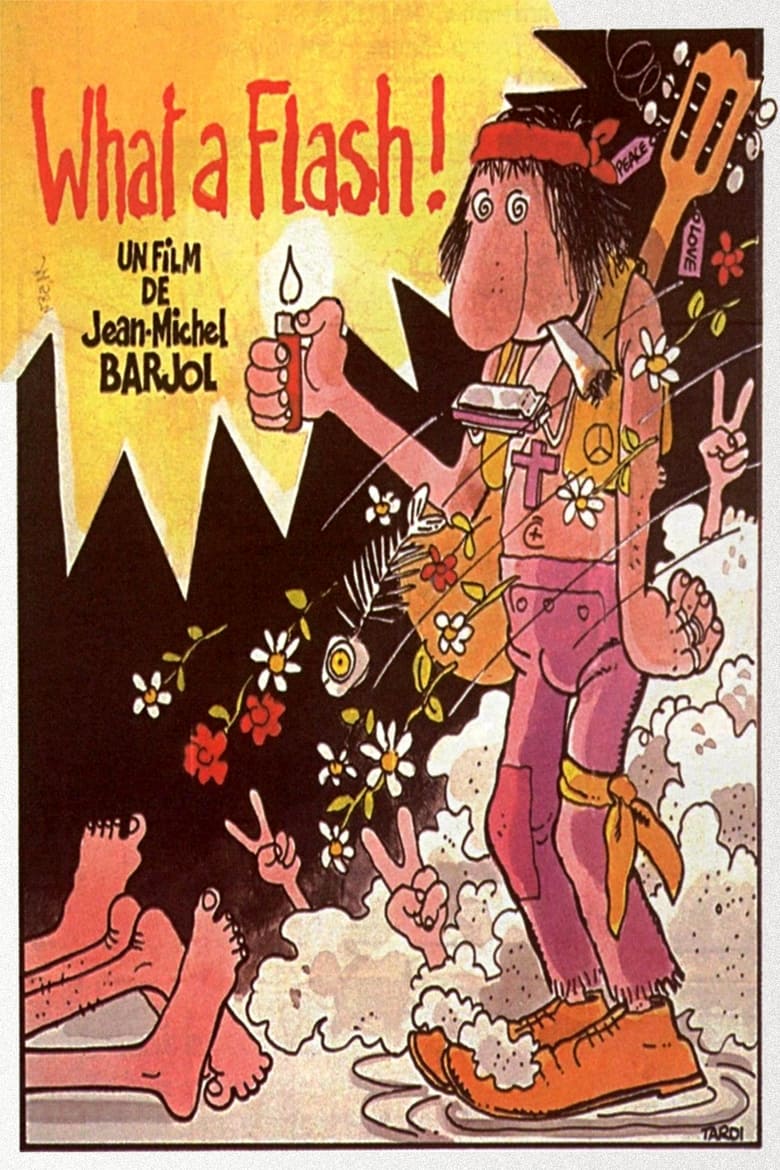
I Miss Sonia Henie
1971
No user ratings available yet
Diversity score: 6.1 out of 10
1972
Director
Jean-Michel Barjol
Runtime
95 minutes
Average Rating
No ratings yetSynopsis
The producers of this French film took approximately 100 people, put them on a soundstage and had them improvise this film based on the premise that they are on a spaceship escaping from the dictators of earth and only have a few days to live. Improvisation is a dangerous art-form; unprepared amateurs invariably come up with gross caricatures when challenged to improvise. The actors' choices in this film include an allegorical pageant of the life of Jesus, a marriage, an orgy, and some genuinely affectionate moments. Nonetheless, as an experimental effort in large-group improvisation, the film is instructive. - Clarke Fountain, Rovi
Overall Score
Good
Category Breakdown
LGBTQ+ Representation
The film's reliance on spontaneous improvisation allows for non-traditional interpersonal dynamics. An included orgy sequence suggests a disruption of heteronormative structures and a move toward sexual fluidity.
Gender Representation
The chaotic ensemble format disrupts traditional gendered power dynamics. By avoiding a central male protagonist, the film challenges conventional masculine leadership tropes through its improvisational nature.
Racial & Ethnic Diversity
The spaceship setting provides a speculative framework that could facilitate a diverse cast. However, there is no specific data confirming a non-white majority or intentional race-bending.
Religious & Cultural Diversity
The film engages in systemic critique by escaping Earth's dictators. It uses an allegorical pageant of Jesus to treat religious iconography as a malleable, postmodern symbol.
Disability Representation
There is no evidence available to assess the portrayal of physical or neurodivergent disabilities.
Strengths
Areas for Improvement
AI Analysis
What a Flash! is an experimental exercise in large-group improvisation that replaces traditional cinematic hierarchies with collective spontaneity. By abandoning a rigid script, the film naturally deconstructs standard storytelling tropes, including gendered leadership and heteronormative social structures. The work excels in its thematic critique of authority and its use of religious allegory to challenge absolute moral truths. It prioritizes situational ethics and collective experience over the singular heroics typical of Western cinema. While the film's structure invites diversity, specific demographic details regarding race and disability are not present. The score reflects a work that is structurally subversive even when specific identity-based representation remains unverified.
1971
1979
1970
1972
1993
1986
1969
1933
1963

1974
1966
2018
No reviews yet. Be the first to share your thoughts on this movie!
Use the rating form above to leave a star rating and optional review.