
Life Size
1974
No user ratings available yet
Diversity score: 4.8 out of 10

1993
Director
Paul Bartel
Runtime
81 minutes
Average Rating
No ratings yetSynopsis
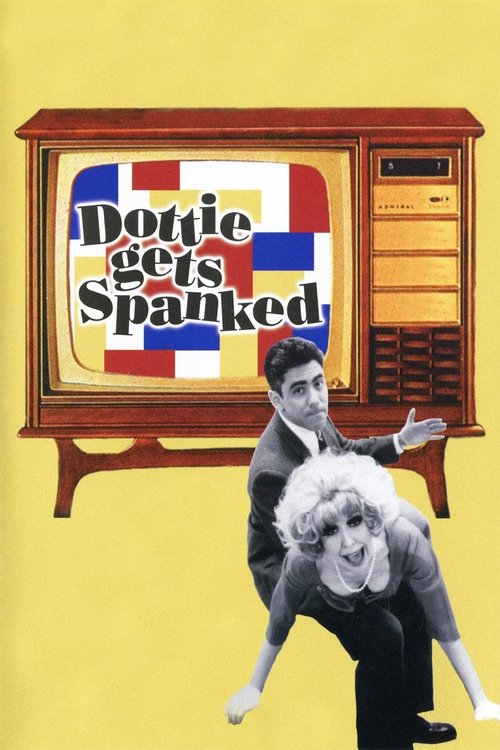
Trapped in a bomb-shelter for thirty years, three adult children act out scenes from television shows in an imitation of 1960's life.
Overall Score
Fair
Category Breakdown
LGBTQ+ Representation
The film explores identity through the performance of 1960s media within a bunker. While specific non-heteronormative identities are not explicitly detailed, the premise suggests a preoccupation with theatrical identity.
Gender Representation
Characters perform roles from a bygone era, offering a structural opportunity to critique mid-century domesticity. This setup highlights the performative and often absurd nature of traditional gender hierarchies.
Racial & Ethnic Diversity
The focus on imitating 1960s television life suggests a potential for homogeneity. Without evidence of diverse casting, the film likely mirrors the racial exclusions of the era being parodied.
Religious & Cultural Diversity
The narrative disrupts conventional views of social progress by depicting a micro-society decoupled from the outside world. It offers a critique of mainstream Western institutions through systemic isolation.
Disability Representation
There is no specific evidence regarding the portrayal of physical or neurodivergent disabilities within the film's narrative.
Strengths
Areas for Improvement
AI Analysis
Shelf Life functions as a study of media consumption and the construction of identity through imitation. The film's strength lies in its inherent skepticism toward traditional social norms and its deconstruction of performative hierarchies. However, the film's reliance on 1960s media archetypes likely limits its racial and ethnic diversity. The imitation of that specific era suggests a mirroring of historical exclusions rather than a subversion of them. Ultimately, the work excels at critiquing social structures through a lens of isolation, even if it lacks explicit intersectional representation.
1974
1965
1985

2006

1972

1985
2003

1984

1972

1987
1986
1993
No reviews yet. Be the first to share your thoughts on this movie!
Use the rating form above to leave a star rating and optional review.