Runnin' After Love
1978
No user ratings available yet
Representation score: 2.2 out of 10
Representation Score
Fair
1973
XDirector
Frans Weisz
Runtime
98 minutes
Average Rating
No ratings yetNew Showbiz Analysis
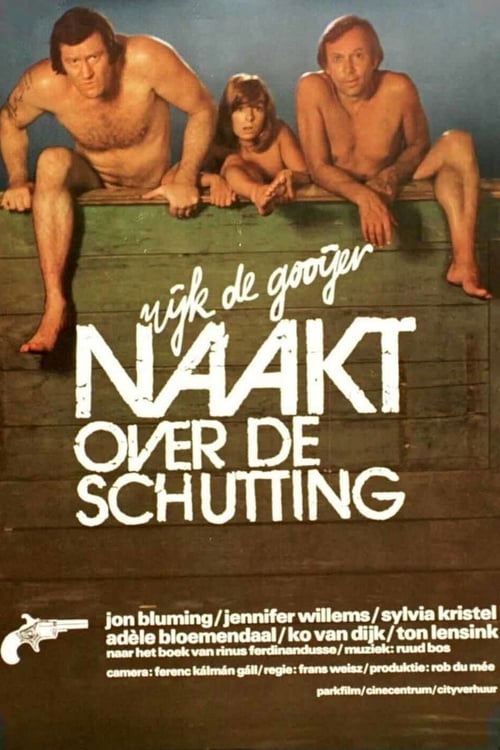
Naked Over the Fence is a period-specific exploration of social dynamics and the loss of innocence. While it offers modest inclusion through the mention of same-sex companionship, the narrative remains anchored in the conventional social hierarchies of the 1970s. The film lacks complexity and depth for underrepresented groups, focusing instead on a psychological study of human behavior and sexuality. It reflects the traditional European social landscape of its era without intentionally subverting cultural norms.
Category Breakdown
The film includes a same-sex couple, which provides some level of LGBTQ+ inclusion. However, the narrative does not delve deeply enough to give these characters substantial roles or control over their own stories.
Female characters such as Lily are frequently portrayed as objects of desire or as part of relationships driven by men. The film does not significantly challenge traditional gender roles.
The cast appears predominantly white, reflecting the demographic homogeneity typical of 1970s Dutch cinema. There is no indication of non-white majority casting.
The story operates within a secular European context and avoids singular religious morality. It depicts a standard social reality without engaging in deep anti-Western critiques.
There is no evidence of characters with visible or invisible disabilities. The narrative does not use disability as a central theme or character arc.
Present on Screen
Limited or Absent
Official Synopsis
Rick Lemming (Rijk de Goyer) lives in the heart of Amsterdam, where he holds a dovecote and a saloon with slot machines. His best friend Ed Svaan, the champion of karate in the Netherlands, is deeply in love with singer Lily (Sylvia Christelle). With the help of Ed, Lilly concludes a contract with a television director who assures everyone that he will make a high-profile film. Rijk wants to check where his boyfriend and girlfriend are being drawn in and secretly watches the shootings. In fact, a pornographic film is being shot.
1978
1979

1987

1978
2015
1982
1969
1989
No reviews yet. Be the first to share your thoughts on this movie!
Use the rating form above to leave a star rating and optional review.