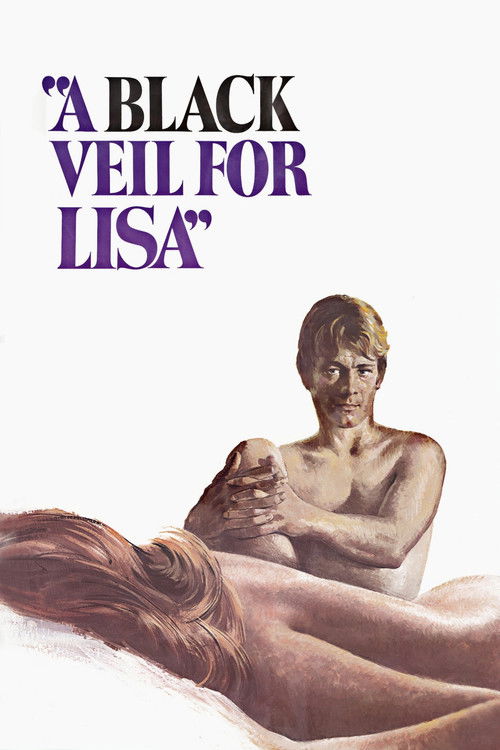
A Black Veil for Lisa
1968
No user ratings available yet
Diversity score: 2.8 out of 10
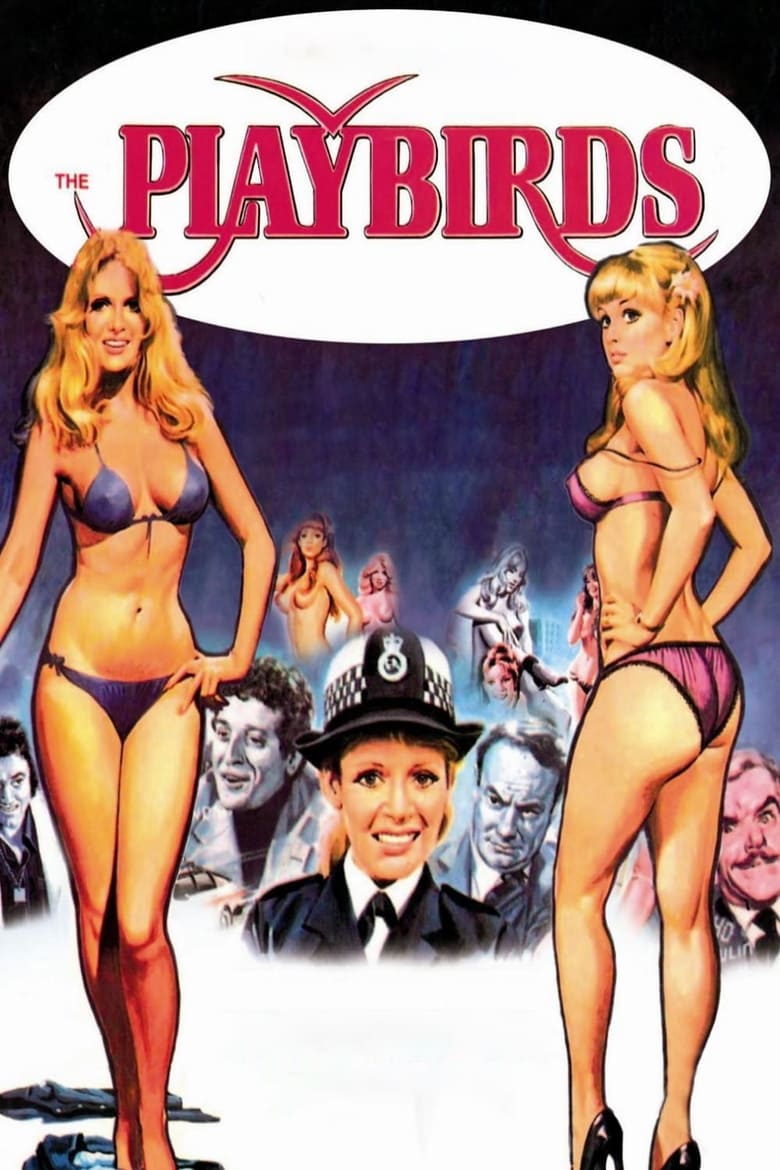
1978
Director
Willy Roe
Runtime
89 minutes
Average Rating
No ratings yetSynopsis
In order to unmask a pathological killer who is targeting the beautiful centrefolds of Playbirds magazine, a sexy policewoman Lucy Sheridan puts her life and reputation on the line by sleeping with millionaire publisher Harry Dougan. The Chief Superintendant and Police Commissioner are keeping a close eye on her, but time is running out fast.
Overall Score
Limited
Category Breakdown
LGBTQ+ Representation
The film lacks LGBTQ+ characters or narratives addressing non-cisnormative identities. The plot centers on a heterosexual dynamic between Lucy Sheridan and Harry Dougan.
Gender Representation
Lucy Sheridan shows professional agency as a policewoman, yet her success is tied to sexual negotiation with a powerful man. This creates a tension between her role and traditional gendered tropes.
Racial & Ethnic Diversity
The narrative appears to focus on a homogeneous social stratum. There is no evidence of a diverse cast or intersectional character depth within the provided context.
Religious & Cultural Diversity
The story operates within a conventional Western framework of institutional authority. It focuses on individual crime rather than a critique of systemic power or culture.
Disability Representation
There is no mention of characters with visible or invisible disabilities in the narrative.
Strengths
Areas for Improvement
AI Analysis
The Playbirds is a genre-driven thriller that reflects the demographic norms of 1970s crime cinema. While it features a female protagonist in a position of authority, the narrative relies on traditional tropes that link her professional agency to her sexuality. The film lacks intersectional complexity, offering little in the way of racial, cultural, or LGBTQ+ representation. It functions as a standard procedural struggle between law enforcement and a pathological killer, staying within established social boundaries of its era.
1968
1964
1993

1970
1986
1997
1984

1976
1993
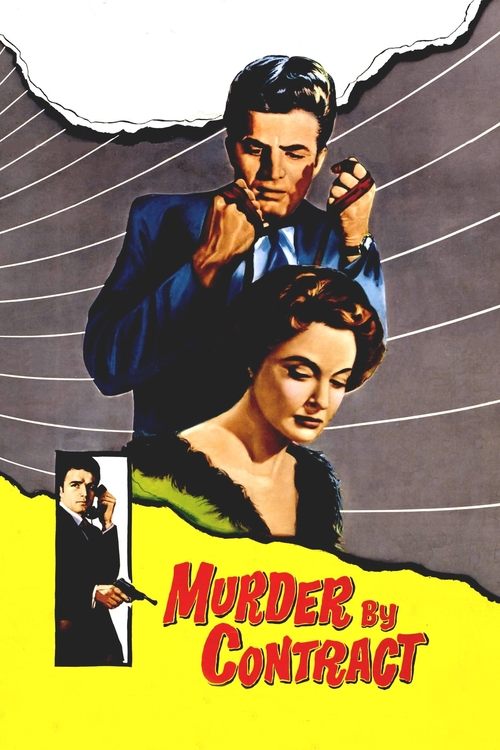
1958
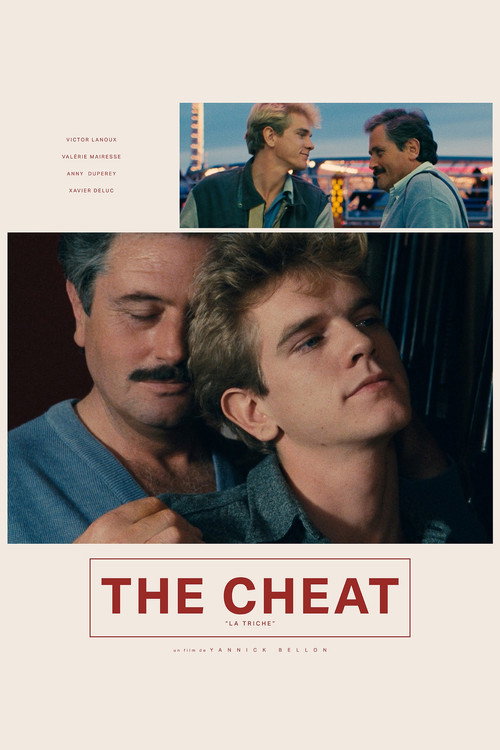
1984
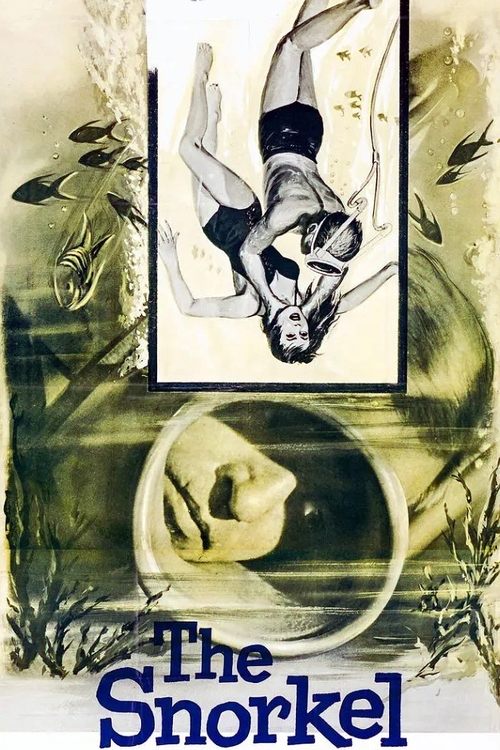
1958
No reviews yet. Be the first to share your thoughts on this movie!
Use the rating form above to leave a star rating and optional review.