Scorpio Nights
1985
No user ratings available yet
Representation score: 5.1 out of 10
Representation Score
Fair
1969
Director
Pim de la Parra
Runtime
90 minutes
Average Rating
No ratings yetNew Showbiz Analysis
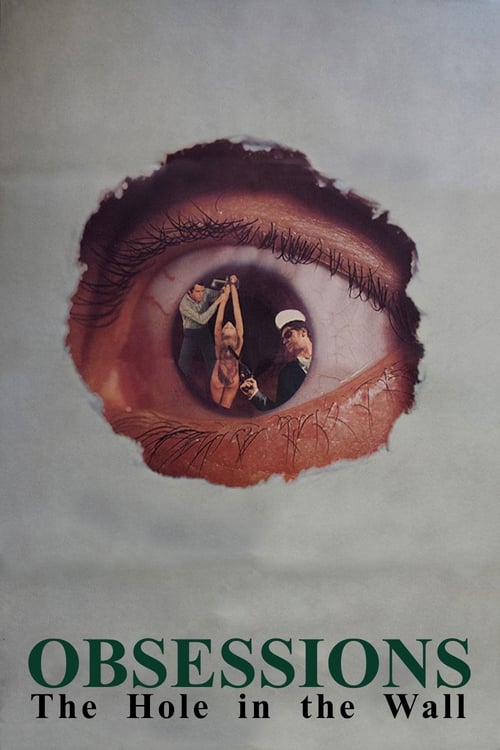
Obsessions stands as a product of the Dutch New Wave, driven by Pim de la Parra’s reputation for feminist cinema. The film succeeds in challenging traditional gender hierarchies, shifting the focus from domesticity to female subjectivity and ability to act. This creates a narrative that challenges established social mores and the standard male gaze. However, the film is constrained by the demographic realities of 1969. The lack of LGBTQ+ and racial diversity prevents a higher score, as the cast remains largely homogeneous and the queer elements remain implicit rather than explicit. While culturally progressive in its deconstruction of morality, it lacks depth in representing diverse identities. Ultimately, the film is a study of psychological complexity and secularism. It prioritizes the breakdown of privacy and traditional ethics over a diverse representation of identity.
Category Breakdown
The film may explore non-traditional intimacy through its focus on sexual liberation. However, it lacks explicit evidence of queer identities or non-cisgender gender expressions.
The narrative disrupts the traditional male gaze by centering on women's ability to act and desire. It presents women as complex subjects rather than mere objects of domesticity.
Reflecting the 1969 Dutch cinematic landscape, the film centers on a predominantly white, Western European cast. It offers limited diversity in terms of race and ethnicity.
The story critiques traditional social institutions through themes of voyeurism and obsession. It aligns with the era's movement toward secularism and moral relativism.
There is no discernible evidence regarding the portrayal of physical or neurodivergent disabilities in this work.
Present on Screen
Limited or Absent
Official Synopsis
A young medical student observes his neighbour's love life through a hole in his apartment wall.
1985
1989

2015
1989
1973
1976
1949
1952
No reviews yet. Be the first to share your thoughts on this movie!
Use the rating form above to leave a star rating and optional review.