Sex Crimes
1992
No user ratings available yet
Representation score: 0.3 out of 10
Representation Score
Limited
1995
RDirector
Michael Schroeder
Runtime
94 minutes
Average Rating
No ratings yetNew Showbiz Analysis
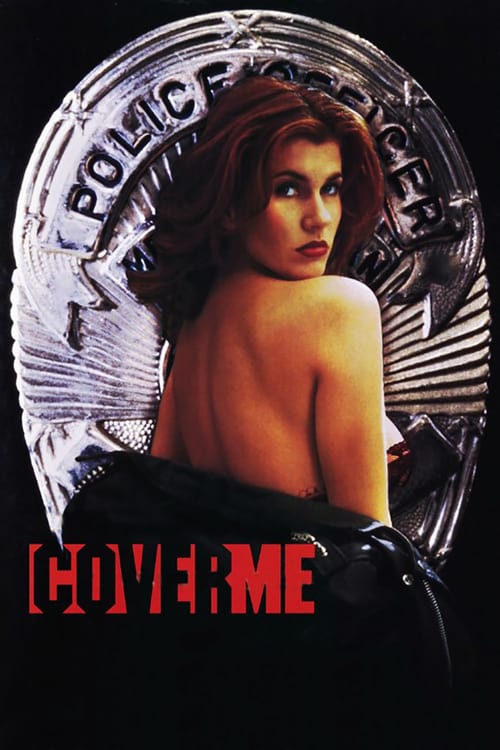
Cover Me is a conventional crime thriller that emphasizes genre-driven tension over social commentary. While it centers on a female protagonist, her active role is often defined by her interactions with male characters, reinforcing traditional gender dynamics. The film leans heavily on established gender and LGBTQ+ clichés, using the antagonist’s identity primarily to serve the plot’s mystery rather than to explore gender identity in depth. Additionally, the narrative maintains a homogeneous social environment, avoiding disruption of conventional hierarchies or exploration of diverse cultural perspectives.
Category Breakdown
The film includes a transgender antagonist who primarily serves to heighten suspense. This character is used as a typical thriller cliché representing 'otherness,' rather than providing a deeper look into gender identity.
Holly Jacobsen is portrayed as a capable female lead who actively drives the undercover investigation. However, the plot often frames her actions through the lens of possessive male clichés, reinforcing traditional gender roles.
The movie presents a fairly uniform social setting with a predominantly white cast based in Los Angeles. There is no indication of diverse or non-Anglo-Saxon perspectives in the narrative.
The story adheres to typical thriller conventions centered around law enforcement and personal morality. It operates within a traditional framework without questioning Western institutions or religious norms.
The film does not include any characters with physical, sensory, or neurodivergent disabilities.
Present on Screen
Limited or Absent
Official Synopsis
Police are stymied when a serial killer begins hacking up nude models all over L.A. In desperation, they hire sexy ex-policewoman Holly Jacobsen to do a little undercover work. At first her boyfriend Bobby Colter, also a cop, agrees to the plan, but when Holly moves from nude modeling to topless dancing to peep-show shower dancing, he begins getting a little possessive. Things get dicey when the killer, a transvestite who by now is totally obsessed with Holly, decides to make his move.
1992
1980

1978

1984
1992

1988
1986
1983
No reviews yet. Be the first to share your thoughts on this movie!
Use the rating form above to leave a star rating and optional review.