The Last Laugh
2016
No user ratings available yet
Representation score: 9.3 out of 10
Representation Score
Limited
2013
Not RatedDirector
Alan Zweig
Runtime
89 minutes
Average Rating
No ratings yetNew Showbiz Analysis
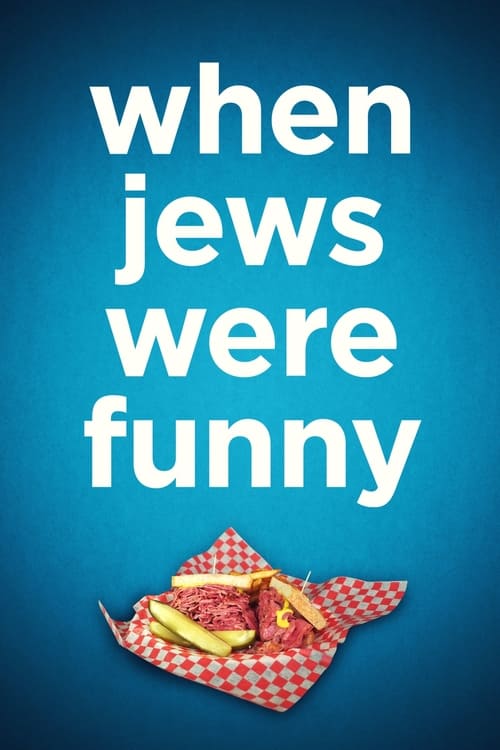
Alan Zweig’s documentary is a focused cultural study that prioritizes depth over breadth. It successfully recasts a specific ethnic history, offering a vital counter-narrative to the standard Anglo-centric view of American entertainment history. However, the film lacks diversity in its focus, concentrating solely on a particular diaspora and overlooking gender and queer identities. Ultimately, the work serves as an ethnographic exploration of Jewish comedic heritage rather than a broad survey of diverse social identities.
Category Breakdown
The film does not focus on LGBTQ+ stories or non-cisgender identities. Instead, it centers on ethnic and religious backgrounds rather than queer issues.
The documentary features mostly male comedians and does not significantly highlight female perspectives in the comedic tradition.
The film excels in exploring Jewish identity deeply. It provides Jewish performers with high ability to act to define their cultural contributions, breaking away from the typical Anglo-Saxon perspective.
The documentary examines the intersection of religious identity and secular entertainment. It critiques the cultural decay and loss of specific communal traditions.
The film does not feature characters or interviewees used as plot devices related to disability. Physical and neurodivergence are not central themes.
Present on Screen
Limited or Absent
Official Synopsis
From the 1930's to the 1970's, pretty well every comedian or comic you might see on TV or the movies was Jewish. Jews came to dominate the world of western‐society comedy on radio, stage and screen alike.Why did Jews dominate comedy in this period? And why did that domination end? Were Jews just funnier back then? And if so, did that extend to your average Jew on the street? In this 90 minute documentary acclaimed director Alan Zweig will examine these questions and many others in this exploration of 20th century humour, cultural decay, and a search for a missing heritage.
2016
2009
2013
2017

2013
2019
2012
2005
No reviews yet. Be the first to share your thoughts on this movie!
Use the rating form above to leave a star rating and optional review.