
Feels Good Man
2020
No user ratings available yet
Representation score: 4.4 out of 10
Representation Score
Good
2017
Director
Michael Melamedoff
Runtime
49 minutes
Average Rating
No ratings yetNew Showbiz Analysis
The documentary serves as a powerful commentary on the social consequences of media caricatures. By shifting focus from the animation itself to the real-world impact on the South Asian community, it empowers underrepresented voices. While the film excels in critiquing racial and ethnic clichés, it is less focused on specific gender or LGBTQ+ subversions. The narrative structure is centered on systemic critique rather than individual character studies of diverse identities. Ultimately, the film succeeds by treating media clichés as systemic issues rather than mere jokes, demanding more authentic and diverse casting in mainstream entertainment.
Category Breakdown
The film addresses broader identity politics and how underrepresented groups are portrayed in media. However, specific LGBTQ+ characters are not the main focus of this critique.
The documentary explores gendered archetypes in animation through its multi-layered approach. While it centers on ethnic caricatures, it does not specifically challenge gender hierarchies.
This documentary offers a deep critique of racial stereotypes by focusing on the South Asian diaspora. It challenges Western animation by examining the harmful effects of oversimplified character portrayals.
The narrative critiques Western media institutions for their historical failure to offer nuanced representation. It prioritizes the lived experiences of underrepresented groups over mainstream media comfort zones.
There is no evidence within the film to evaluate the depiction of physical or neurodivergent disabilities.
Present on Screen
Limited or Absent
Official Synopsis
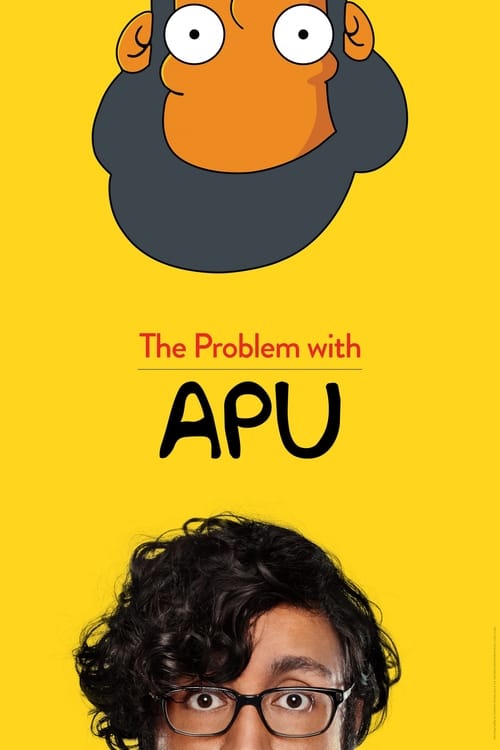
In the history of “The Simpsons,” few characters outside the title family have had as much cultural impact as Apu Nahasapeemapetilon, the Springfield convenience store owner. Comedian Hari Kondabolu is out to show why that might be a problem.
2020

2009
2009

2019
2020
2003

2016

2024
No reviews yet. Be the first to share your thoughts on this movie!
Use the rating form above to leave a star rating and optional review.