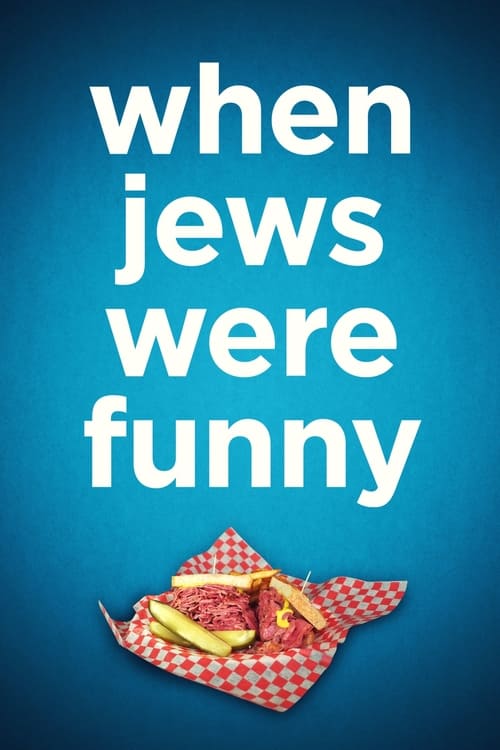
When Jews Were Funny
2013
No user ratings available yet
Diversity score: 5.1 out of 10

1998
Director
Stuart Samuels, Simcha Jacobovici
Runtime
100 minutes
Average Rating
No ratings yetSynopsis
This film discusses the effect on how major American films in Hollywood were influenced by the Eastern European Jewish culture that most of the major movie moguls who controlled the studios shared. Through clips of various films, the filmmakers illustrate the dominant themes like that of the outsider, the outspoken American patriotism, and rooting for the underdog in society.
Overall Score
Fair
Category Breakdown
LGBTQ+ Representation
The documentary does not center on LGBTQ+ identities or non-cisnormative gender expressions. The narrative focuses on ethnic and religious heritage rather than sexual orientation.
Gender Representation
The film acknowledges the historical patriarchal structures of the early Hollywood studio system. However, it does not prioritize female agency, focusing instead on the rise of Jewish male moguls.
Racial & Ethnic Diversity
The film excels in examining the immigrant experience and Eastern European Jewish influence. It disrupts Anglo-Saxon narratives by showing how outsider tropes reshaped the American cinematic landscape.
Religious & Cultural Diversity
The documentary provides a sophisticated critique of how antisemitism functioned within American capitalism. It explores the tension between traditional Western institutions and the immigrant experience.
Disability Representation
There is no significant focus on physical or neurodivergent representation within the film's thematic overview.
Strengths
Areas for Improvement
AI Analysis
Hollywoodism offers a deep intellectual deconstruction of how ethnic identity and the 'outsider' status helped shape the American cultural mythos. It successfully challenges the homogeneity of Hollywood's history by highlighting the profound influence of Eastern European Jewish culture on mainstream cinema. However, the film's scope is narrow. It lacks breadth regarding LGBTQ+ identities and does not actively subvert gender hierarchies, as the narrative remains centered on the socioeconomic rise of male studio leaders. Ultimately, the documentary functions as a vital piece of media historiography. It trades broad social representation for a nuanced, meta-analytical study of how marginalized groups utilized mainstream media to reshape national identity.
2013
2009
2016
2010
2005

2004
2012
2014
1964
2007
2009
2013
No reviews yet. Be the first to share your thoughts on this movie!
Use the rating form above to leave a star rating and optional review.