
Dean Martin: King of Cool
2021
No user ratings available yet
Representation score: 1.9 out of 10

Representation Score
Fair
2017
Director
Sam Pollard
Runtime
100 minutes
Average Rating
No ratings yetNew Showbiz Analysis
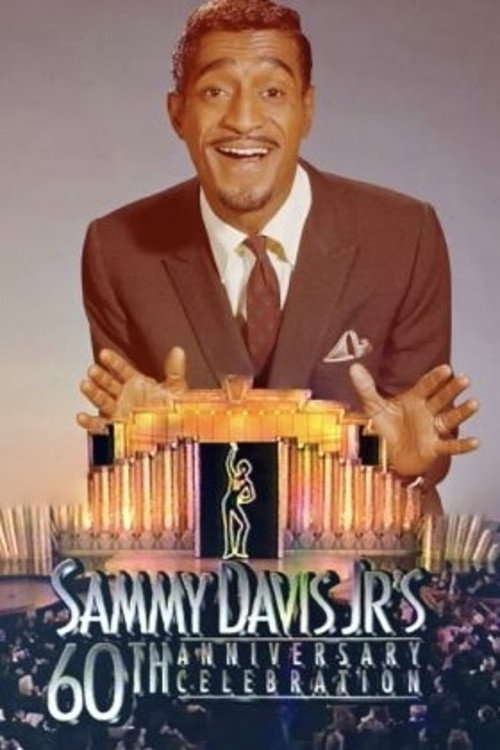
This documentary provides a strong examination of racial dynamics by focusing on the life of a Black icon navigating systemic barriers. It effectively uses Davis's career to challenge historical omissions regarding inequality in Hollywood. However, the film is heavily weighted toward masculine archetypes and the male-dominated history of the entertainment industry. This results in a narrative that lacks significant engagement with gender subversion or LGBTQ+ identities. Ultimately, the film's strength lies in its portrayal of racial struggles, while its diversity is limited by a traditional focus on mid-century celebrity structures.
Category Breakdown
The film does not explicitly address LGBTQ+ identities or offer critiques related to them. It focuses on the social pressures of the mid-century industry without highlighting non-straight narratives.
The film centers on masculine archetypes of stardom and the male-dominated Rat Pack era. While female interviewees provide important perspectives, the main storyline remains centered around male figures.
The documentary excels by documenting Davis’s resistance to segregation and systemic racism. It uses historical footage to vividly illustrate his struggle within a predominantly white industry.
The film critiques mid-century American segregation through Davis's personal experiences. It highlights the civil rights struggle as a conflict between individual merit and institutionalized prejudice.
There is no significant focus on visible or invisible disabilities within the primary biographical narrative.
Present on Screen
Limited or Absent
Official Synopsis
A star-studded roster of interviewees (including Jerry Lewis, Whoopi Goldberg and Billy Crystal) pay tribute to the legendary, multi-talented song-and-dance man.
2021
2018
1990
2025
2001

2011

2013

2013
No reviews yet. Be the first to share your thoughts on this movie!
Use the rating form above to leave a star rating and optional review.