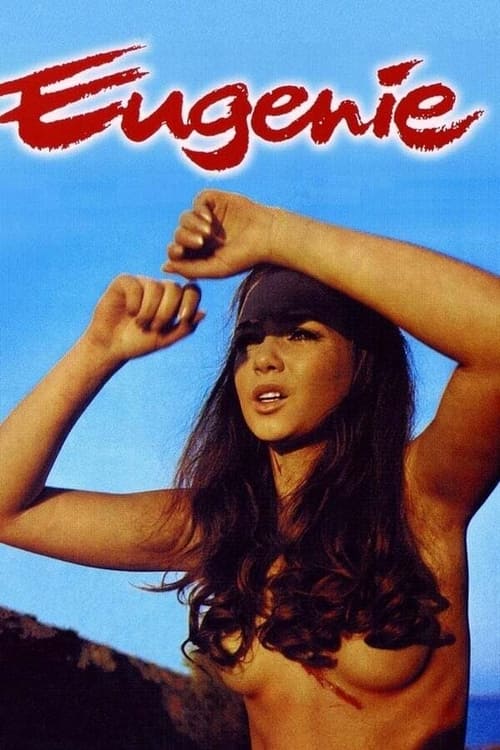
Eugenie
1970
No user ratings available yet
Representation score: 5.1 out of 10
Representation Score
Limited
1969
RDirector
Jesús Franco
Runtime
124 minutes
Average Rating
No ratings yetNew Showbiz Analysis
The film is a bleak exploration of systemic depravity that prioritizes the dismantling of moral hierarchies over demographic inclusion. While it fails to provide meaningful roles for women or diverse ethnic groups, it succeeds in its aggressive deconstruction of historical power structures. Its strength lies in its radical critique of the clergy and nobility, exposing the corruption within traditional Western institutions. However, the narrative remains trapped in a regressive gender hierarchy and a strictly Eurocentric lens. Ultimately, the work functions as a postmodern critique of the Enlightenment-era social contract, trading conventional representation for a subversive look at institutional decay.
Category Breakdown
The film focuses almost exclusively on sexual violence within a heterosexual context. It does not give much depth to LGBTQ+ identities, using sexual deviance primarily as a tool for subjugation.
Justine serves as a passive recipient of male aggression, lacking a significant role in driving the story. The film depicts a regressive hierarchy where masculinity is portrayed as inherently predatory and destructive.
The setting and predominantly white European cast reflect the historical homogeneity of 18th-century France. There is no evidence of diverse ethnic perspectives or color-blind casting.
The narrative offers a profound critique of Western institutions, portraying the aristocracy and clergy as corrupt and predatory. It disrupts conventional depictions of institutional sanctity through moral relativism.
There is no discernible representation of neurodivergence or physical disability. Characters are defined by social status or capacity for violence rather than any nuanced depiction of disability.
Present on Screen
Limited or Absent
Official Synopsis
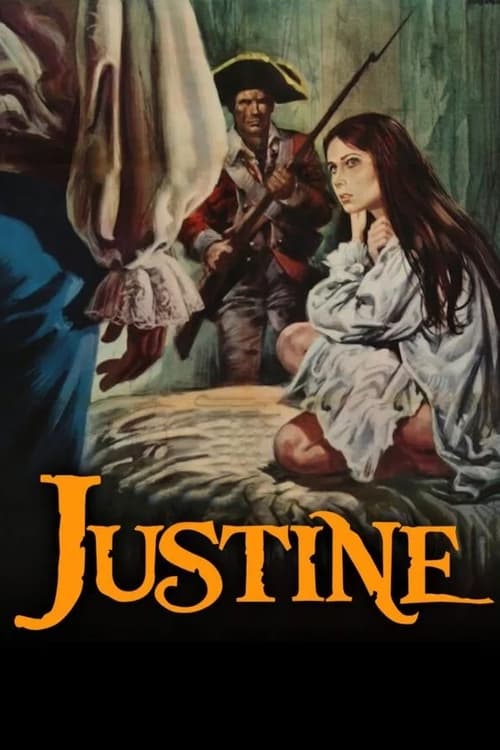
Without a family, penniless and separated from her sister, a beautiful chaste woman will have to cope with an endless parade of villains, perverts and degenerates who will claim not only her treasured virtue but also her life.
1970

1963
1967

1967
1977
1974
1971
1968
No reviews yet. Be the first to share your thoughts on this movie!
Use the rating form above to leave a star rating and optional review.