
Eugenie
1970
No user ratings available yet
Representation score: 5.1 out of 10
Representation Score
Fair
1977
Not RatedDirector
Jesús Franco
Runtime
86 minutes
Average Rating
No ratings yetNew Showbiz Analysis
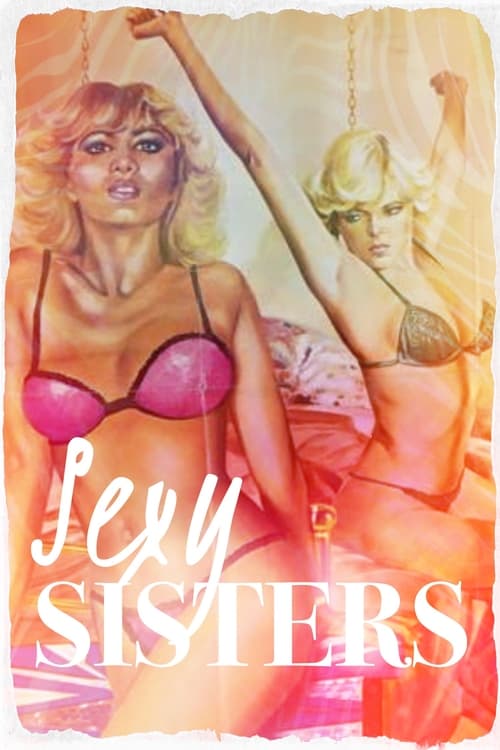
Sexy Sisters operates primarily within the erotic thriller genre, prioritizing transgressive sexual themes and psychological suspense over diverse representation. While the film disrupts some gendered expectations of passivity through Edna's dominance, it relies heavily on genre clichés. The narrative utilizes mental health issues as a mechanism for victimization and plot progression. This approach treats disability as a tool for character exploitation rather than a lived identity. Ultimately, the film adheres to the conventional casting and thematic patterns of its era, offering little meaningful ability to act to diverse cultural perspectives or non-heterosexual identities.
Category Breakdown
The film lacks LGBTQ+ narratives or non-cisgender identities. Sexual dynamics center on heterosexual relationships and there is no evidence of queer subtext or critiques of heterosexuality.
Female protagonists drive the central conflict, though their roles are often undermined by victimization. Edna's character challenges passive female stereotypes through her dominance, while Millie loses autonomy due to drugging and confinement.
The film appears to lack significant racial or ethnic diversity. The narrative focuses on psychological and sexual tension within a localized setting typical of 1970s European exploitation cinema.
The narrative explores moral ambiguity around inheritance and mental health manipulation. It depicts the family unit and traditional inheritance structures as corrupt rather than stable.
Mental health and perceived insanity serve as central plot devices and tools for oppression. Millie’s condition is used by Edna to take over assets, rather than being explored with nuance.
Present on Screen
Limited or Absent
Official Synopsis
Edna keeps her younger sister Millie drugged and chained to her bed. The drugs have made Millie a nymphomaniac whose endless supply of men that Edna providers her cannot satisfy her and seeing her sister unsatisfied gets Edna off. But Edna's main plan from all of this is to inherit her deceased parents' fortune which is supposed to all go to Millie on her 21st birthday, so if she can prove Millie insane she will get the fortune. But when one of the men appears to satisfy Millie, Millie discovers the outside world and the two will try to stop Edna's evil plans.
1970
1962
1974

1968
1976

1975
1969
1972
No reviews yet. Be the first to share your thoughts on this movie!
Use the rating form above to leave a star rating and optional review.