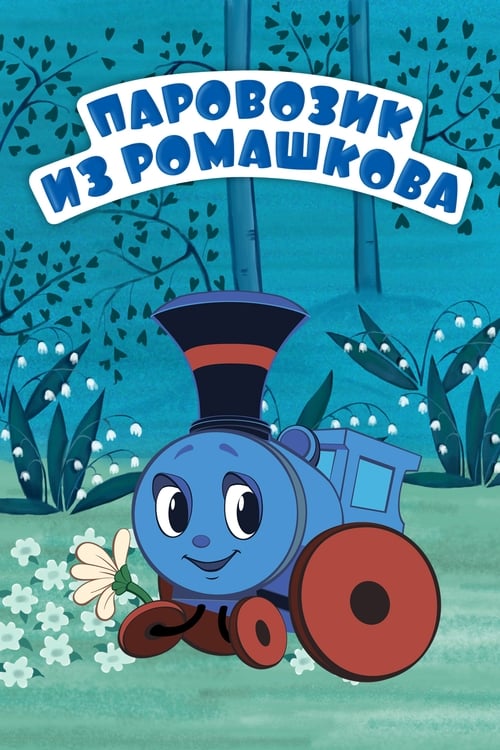
Train From Romashkovo
1967
No user ratings available yet
Representation score: 8.0 out of 10
Representation Score
Fair
1956
Director
Vladimir Degtyarev
Runtime
19 minutes
Average Rating
No ratings yetNew Showbiz Analysis
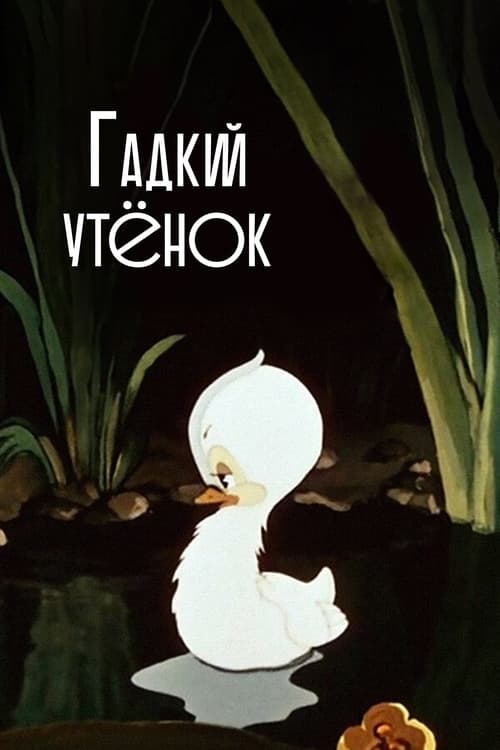
The film presents a traditional moral fable focused on social exclusion. It addresses the pain of being an outcast but resolves conflicts through changes in appearance, limiting exploration of deeper identity issues. By using anthropomorphic animals in a universal setting, the film avoids specific ethnic or cultural markers, creating a homogeneous environment that does not actively engage with diverse identities. Overall, the film's approach to difference is restorative, aiming to fix perceived flaws through transformation rather than promoting acceptance of original conditions.
Category Breakdown
The film does not depict any LGBTQ+ identities or same-sex relationships. It adheres to a traditional family structure based on the original fairy tale.
The characters act as symbolic figures within a biological hierarchy and do not challenge traditional gender roles. There is limited evidence of women taking an active role or challenging male dominance.
Using anthropomorphic animals, the film avoids direct engagement with racial or ethnic identity. The pastoral setting emphasizes demographic uniformity.
The story explores the tension between the individual and society through moral lessons, focusing on inherent worth rather than radical political messages.
The protagonist's ugliness symbolizes physical difference. However, the resolution involves a transformation rather than advocating for accepting the original state.
Present on Screen
Limited or Absent
Official Synopsis
Soviet cartoon adaptation of Hans Christian Andersen's fairy tale.
1967

1962
1985
1972
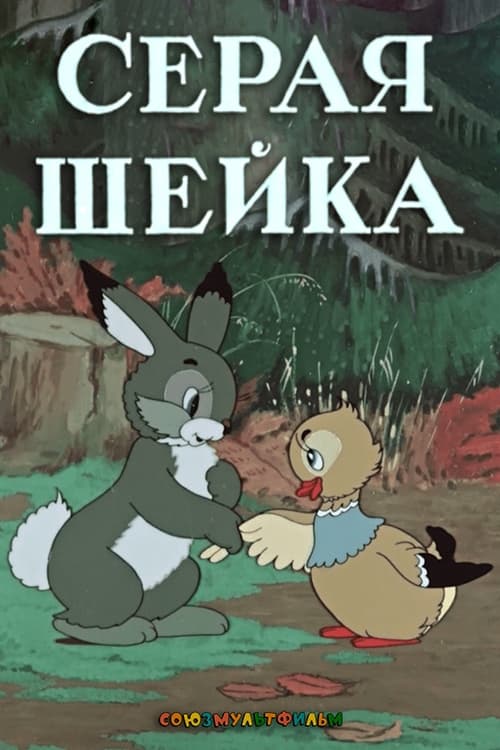
1948
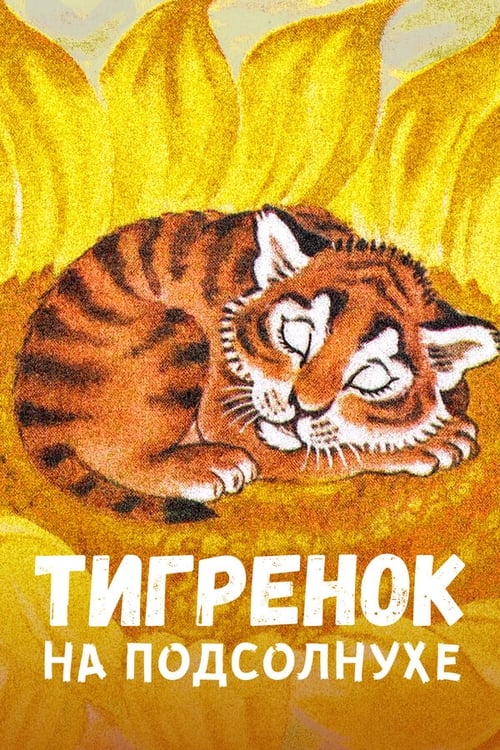
1981
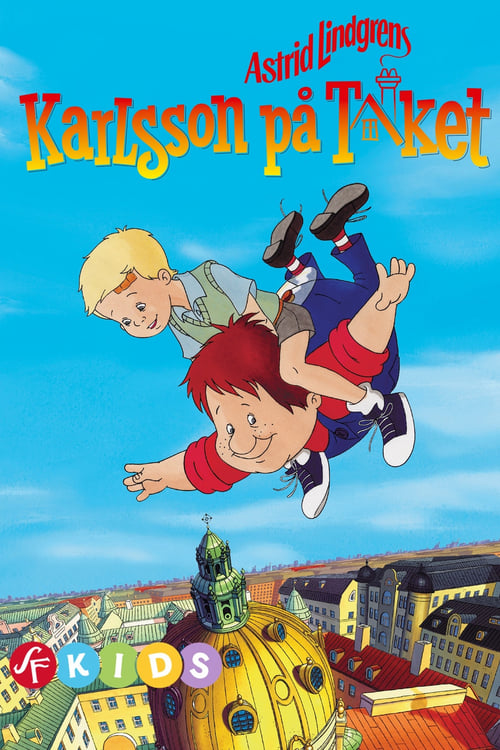
2002
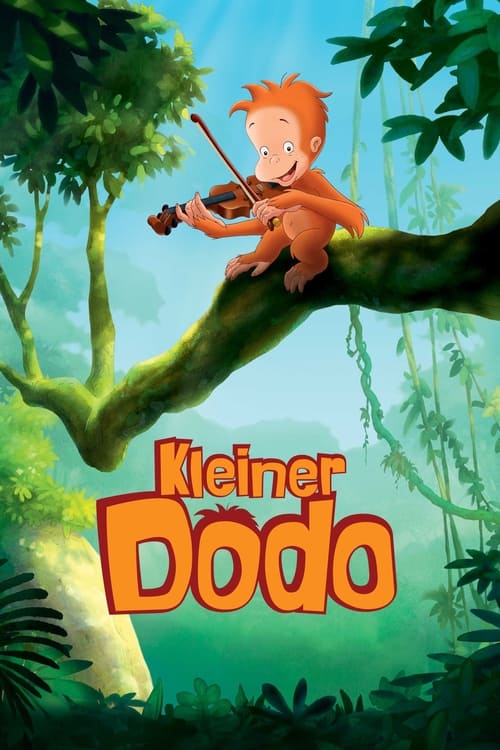
2007
No reviews yet. Be the first to share your thoughts on this movie!
Use the rating form above to leave a star rating and optional review.