
Two Stories
1962
No user ratings available yet
Representation score: 4.0 out of 10
Representation Score
Limited
1985
Director
Yuriy Butyrin
Runtime
9 minutes
Average Rating
No ratings yetNew Showbiz Analysis
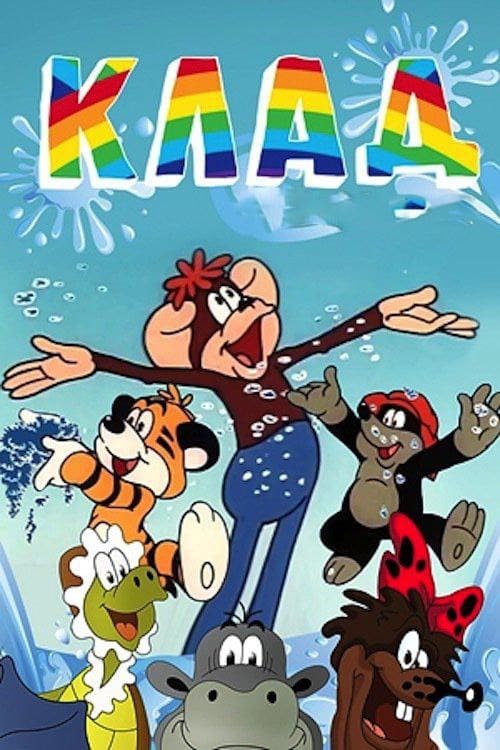
Treasure (1985) is a product of its specific era and regional industry. Its narrative structure adheres to the traditionalist and localized constraints of mid-1980s Soviet animation, emphasizing established cultural norms over complex identity exploration. The film does not intentionally disrupt social hierarchies or challenge traditional norms. It lacks character-driven narratives that question the demographic norms of its production context. Overall, the work stays within the standard baseline for family entertainment of its time, offering limited modern progressive representation or diverse identity exploration.
Category Breakdown
The film does not include any characters with non-binary genders or LGBTQ+ narratives. It follows the assumption that everyone is straight and cisgender, typical of Soviet animation from 1985.
Characters follow traditional gender roles. There is no portrayal of masculinity in non-traditional ways or subversion of gender hierarchies.
The cast appears uniform, reflecting the demographics of its Soviet production context. There is no casting that deviates from traditional expectations or diverse non-human metaphors.
The film reflects Soviet-era values, which differ from modern Western institutions due to geopolitical context rather than a focus on contemporary progressive deconstruction.
There are no characters with visible or invisible disabilities. Such characters are not used as plot devices within the narrative.
Present on Screen
Limited or Absent
1962
1956
1984
1967
1980
2007
1988

1981
No reviews yet. Be the first to share your thoughts on this movie!
Use the rating form above to leave a star rating and optional review.